

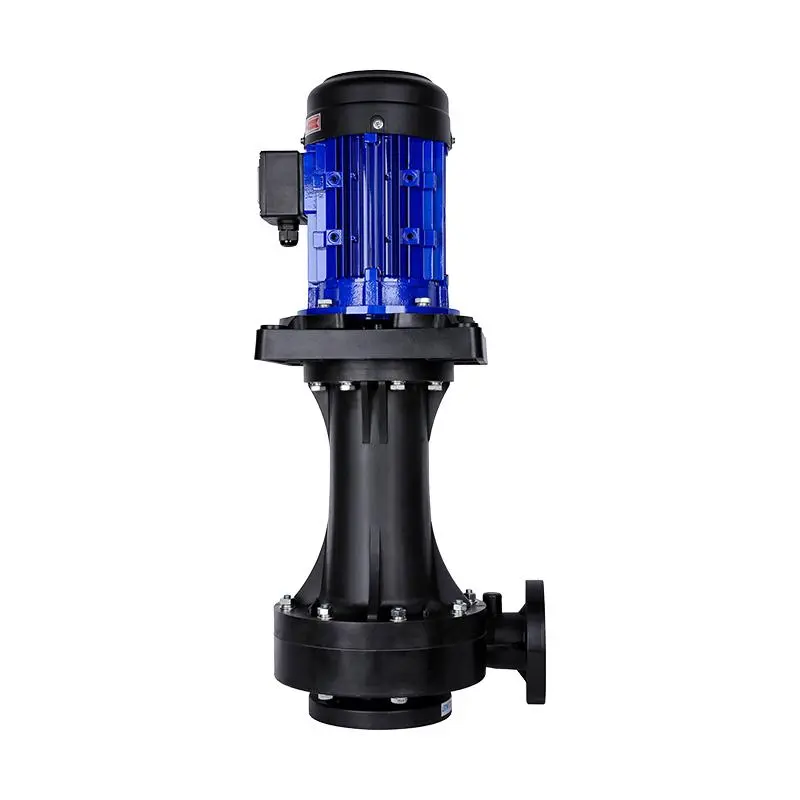
PCB wet process pump dry running happens when a chemical pump keeps rotating without enough liquid inside the casing, suction path, or tank-mounted intake area. In PCB developing, etching, stripping, copper plating, nickel plating, cleaning, and filtration loops, this is not a small operating mistake. It can damage seals, bearings, shafts, impellers, and containment parts. It can also create leakage that contaminates the bath or the board surface.
The most common trigger is simple: the tank level drops below the safe operating point. Operators may see the motor running and assume circulation still exists. In reality, the pump may be starved. If the line also has trapped air, a blocked inlet, or a wrong refill sequence, the same event can look like PCB developer pump gas binding. The fix starts with separating these failure modes and adding low-level protection before the pump is damaged.
What Dry Running Means in a PCB Wet Process Line
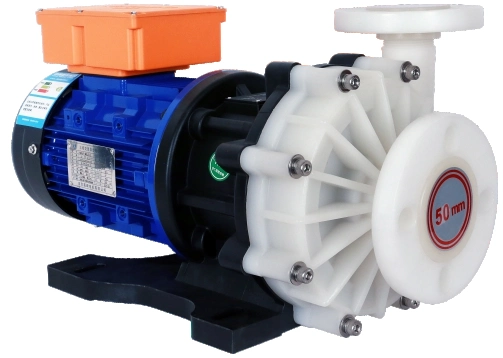
Dry running does not always mean the tank is completely empty. It means the pump lacks a continuous liquid path for cooling, lubrication, sealing, and hydraulic load. A magnetic drive pump, centrifugal pump, or vertical pump may lose that path when the liquid level falls, the inlet is exposed, the suction line leaks air, or the operator restarts the pump before refill is complete.
PCB lines make this risk worse because the liquid is not just water. It may be developer, etchant, micro-etch solution, stripping chemistry, copper electrolyte, nickel electrolyte, alkaline cleaner, or acidic rinse water. When dry running breaks a seal or overheats internal parts, the result can be chemical leakage. That leakage can reach nearby fixtures, carriers, sensors, and boards.
The operator also loses process control. A dry-running circulation pump cannot move the designed flow. Spray pressure drops. Filter flow becomes unstable. Bath turnover slows. This can leave dry film residue, uneven development, copper under-etch, particle defects, or inconsistent plating quality.
Why Low Liquid Level Causes Pump Damage
A pump depends on the handled liquid for more than flow. The liquid removes heat, supports internal bearing surfaces, and keeps sealing surfaces wet. When the liquid path fails, friction rises quickly. The pump may still sound normal for a short time, so the problem can continue until damage becomes visible.
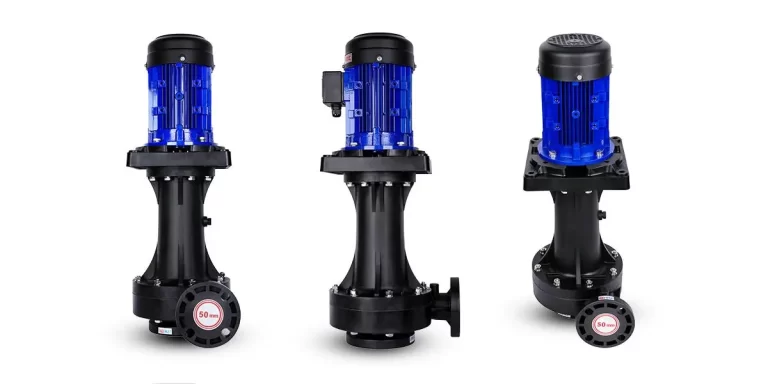
For magnetic drive pumps, the internal bearing and shaft area need liquid lubrication. For mechanical seal pumps, dry running can overheat and score the seal faces. For vertical tank pumps, the guard pipe length, tank depth, and minimum liquid level decide whether the pump can stay flooded during normal production.
| Dry-running trigger | What happens in the loop | Likely PCB consequence | Practical protection |
|---|---|---|---|
| Tank level falls below pump intake | The pump draws air instead of liquid and loses continuous cooling. | Flow drops, spray pressure falls, and chemical treatment becomes uneven. | Add low-level stop logic and a low-low alarm before the intake is exposed. |
| Vertical pump guard pipe is too short | The lower pump section is not protected when the tank level moves during production. | The pump can run partly starved after draining, drag-out, or slow refill. | Match guard-pipe length to the real tank level range and refill sequence. |
| Manual restart before refill | The motor starts while the pump casing or suction zone still lacks liquid. | Seal faces and bearings heat before stable circulation returns. | Use a restart permissive tied to level, flow, or pressure confirmation. |
| Air pocket in suction or inlet zone | The level appears acceptable, but air blocks the liquid path. | The symptom overlaps with cavitation, gas binding, or low-flow complaints. | Correct inlet geometry and verify venting before blaming the pump model. |
This table shows why a dry-running event is a system problem. The pump is only one part of the loop. Tank design, refill timing, level sensors, interlocks, pipe routing, and operator habits decide whether the pump receives liquid when it starts.
Warning Signs Engineers Should Not Ignore
The first warning is often unstable flow. The return line may pulse, the spray bar may lose pressure, or the filter outlet may become weak. Some teams first suspect a clogged cartridge. That can be correct, but a low tank level can create a similar complaint. If pressure is low and the pump housing is hot, stop the pump and check liquid level before continuing.
A second warning is a sudden change in pump sound. A starved pump may sound sharper, lighter, or more rattled than normal. Vibration can increase. The motor may keep running, but the pump no longer has the same hydraulic load.
A third warning is leakage after a short abnormal run. If chemical appears near the seal area, flange, pump base, or tank platform, treat it as a protection failure. Do not only replace the seal. Find out why the pump was allowed to run without enough liquid.
Dry running can also appear after a maintenance change. A line may restart after filter replacement, bath transfer, cleaning, or pump servicing. If the refill and priming sequence is rushed, the next start can be unsafe. This is different from magnetic drive pump deadheading, where the discharge path is blocked while the pump is full of liquid.
Protection Checks for Tanks, Pumps, and Controls
The most useful protection starts at the tank. Define the real minimum operating level, not only the normal fill mark. The safe level must consider drag-out, overflow, spray consumption, filter housing volume, transfer timing, and the height of the pump intake. A float, conductive probe, ultrasonic level sensor, capacitance sensor, or pressure-based level reading can then feed the control logic.
Use two thresholds when the process risk is high. A low-level alarm warns the operator. A low-low interlock stops the pump or prevents restart. This avoids a situation where the alarm sounds but the pump keeps running until the tank empties.
Check the restart permissive
A restart permissive should confirm that the tank level is back in the safe zone. In better systems, it also checks flow, pressure, or pump current. This matters after draining or chemical transfer. A pump can fail during the first minute after restart if the operator assumes the casing is already flooded.
Check the suction and inlet geometry
Look for upward suction runs, high points, long elbows, blocked strainers, and loose fittings. Air can stay in these areas after maintenance. If the problem appears after pipe work, compare the symptom with PCB wet process water hammer and other start-stop faults before changing the pump size.
Check the vertical pump installation
For vertical pumps, confirm the tank depth, guard pipe length, intake position, and expected low-level condition. A pump that looks correct in a full tank may become exposed during production. This is why QEEHUA local application notes call out low-level refill and longer guard-pipe matching for some PCB lines.
How Pump Selection Changes the Risk
Pump selection cannot replace level protection. It can reduce the chance of leakage and help the system fail in a more controlled way. For corrosive PCB chemistry, teams often compare magnetic drive pumps, vertical pumps, and mechanical seal pumps according to tank layout, chemical compatibility, required head, and maintenance access.
For tank-mounted circulation, QEEHUA vertical chemical pumps can fit applications where the pump works with a defined tank level and a matched column or guard-pipe arrangement. For closed-loop chemical transfer, a magnetic drive pump can remove the dynamic shaft seal. It still needs liquid for internal cooling and lubrication, so dry-run protection remains important.
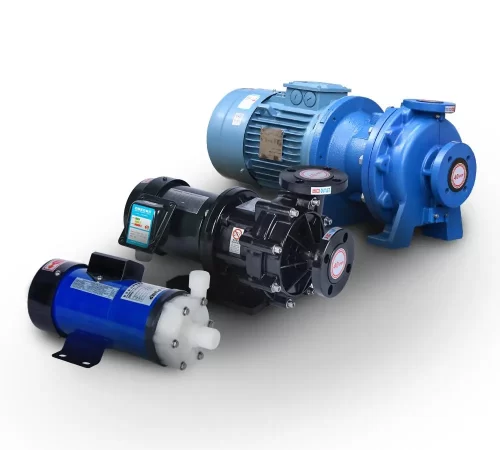
Material choice also matters. PPH, PVDF, CFRETFE, ceramic, silicon carbide, EPDM, and FKM each fit different chemical and temperature ranges. A dry-run event can still damage good materials if the liquid path is lost. Material selection should support the process, while sensors and controls prevent the no-liquid condition.
When dry running has already happened, avoid a quick replacement-only repair. Inspect the seal or bearing area, impeller, casing, containment shell, shaft, O-rings, motor protection, and nearby wiring. Then review the sequence that allowed the pump to run. A useful follow-up is to compare the line with magnetic drive pump selection for PCB wet process lines, because pump choice and protection logic need to match the same process risk.
Need help checking a PCB wet-process pump against low-level dry-running risk? Send the tank depth, normal level, minimum level, pump model, chemistry, temperature, and flow target to info@qeehua.com. QEEHUA can help review the pump type, material choice, and protection logic.
FAQ
Can a PCB wet process pump run dry for a short time?
It should not run dry. Even a short dry-running event can overheat seal faces, bearings, or internal pump surfaces. Stop the pump and restore liquid before restart.
Is dry running the same as cavitation?
No. Cavitation involves vapor bubbles and low inlet pressure while liquid is still present. Dry running means the pump does not have enough liquid for safe operation.
What is the best protection against low-level dry running?
Use a low-level alarm plus a low-low pump interlock. For critical PCB lines, add restart permissive logic that confirms safe level before the pump can run.
Why do vertical pumps still need level checks?
A vertical pump can still lose its safe liquid path if the tank level falls below the intake or if the guard pipe does not match the tank’s real low-level condition.
Should the pump be replaced after a dry-running event?
Inspect it first. Check seals, bearings, shaft surfaces, impeller, casing, O-rings, and leakage points. Replace damaged parts and fix the control cause before restart.
Final Check for PCB Line Teams
A dry-running pump failure is rarely random. It usually points to a missing level rule, weak restart sequence, exposed intake, short guard pipe, or operator habit. The repair should protect the bath and the pump at the same time. For B2B buyers, the best specification is not only the pump model. It is the pump model plus level protection, material compatibility, refill logic, and a clear maintenance response.
