

Chemical pump O-ring swelling happens when an elastomer absorbs or reacts with the handled chemical until it grows, softens, loses elasticity, or no longer seals the groove correctly. In PCB plating, etching, developing, stripping, cleaning, and filtration systems, this can turn a small sealing part into a serious leakage risk. The pump may still run, but the seal path no longer holds the chemical where it belongs.
This problem is common in B2B wet-process lines because one pump may handle different bath chemistries, concentrations, temperatures, and cleaning fluids over its service life. If the O-ring, gasket, or secondary seal material does not match the real solution, leakage can appear after startup, after heating, after a bath change, or after maintenance. It is different from PCB wet process pump dry running, although both failures can end with leakage.
What O-Ring Swelling Means in a Chemical Pump
An O-ring is designed to compress in a controlled space. That compression creates sealing force. When the material swells, the geometry changes. The O-ring can become too large for the groove, pinch during assembly, extrude under pressure, or lose the recovery needed to keep contact with the sealing surface.
Swelling is not the only chemical attack mode. A seal can also harden, crack, soften, shrink, or lose strength. In practical pump maintenance, swelling is easy to miss because the old O-ring may only look slightly enlarged. The important clue is performance: the pump starts leaking even though the bolts are tight and the sealing face appears clean.
The risk rises with higher temperature, longer exposure, mixed chemistry, and repeated cleaning cycles. A seal that works in one acid rinse may fail in hot alkaline service. A seal that survives short contact may fail after continuous immersion.
Why PCB Plating Lines See Seal Leakage
PCB wet-process lines often combine acids, alkalis, oxidizers, salts, surfactants, and fine particles. A pump may serve copper plating, nickel plating, developing, etching, stripping, chemical cleaning, or filter circulation. Each bath changes the seal environment. That is why maintenance teams should record the exact chemistry and temperature before choosing replacement O-rings.
Leakage may appear at the pump cover, flange, drain point, filter connection, shaft area, or casing joint. If metal particles or crystals are also present, the leak path can become worse. In that case, compare the symptom with magnetic drive pump metal particle jamming instead of treating every leak as a simple elastomer issue.
Common production triggers
One trigger is changing from one bath to another without changing the seal material. A second trigger is raising temperature after the pump has already been specified. A third trigger is using cleaning chemicals that are stronger than the normal process solution. A fourth trigger is tightening a swollen O-ring until the plastic parts distort.
These triggers create real process consequences. A leak near a PCB tank can contaminate fixtures, return chemical to the wrong area, or expose operators to corrosive liquid. It can also cause unplanned downtime during production windows.
How EPDM, FKM, PTFE, PPH, and PVDF Change the Risk
QEEHUA local product knowledge separates pump body, wetted plastic, bearing, shaft, and sealing material decisions. For sealing material, EPDM is usually associated with many alkaline solutions and ordinary acidic solutions. FKM is usually associated with many acidic solutions and some solvents, but it is not recommended for many alkaline services. PTFE-based sealing elements can help in stronger chemical ranges, but the full pump design must still match pressure, temperature, and assembly needs.
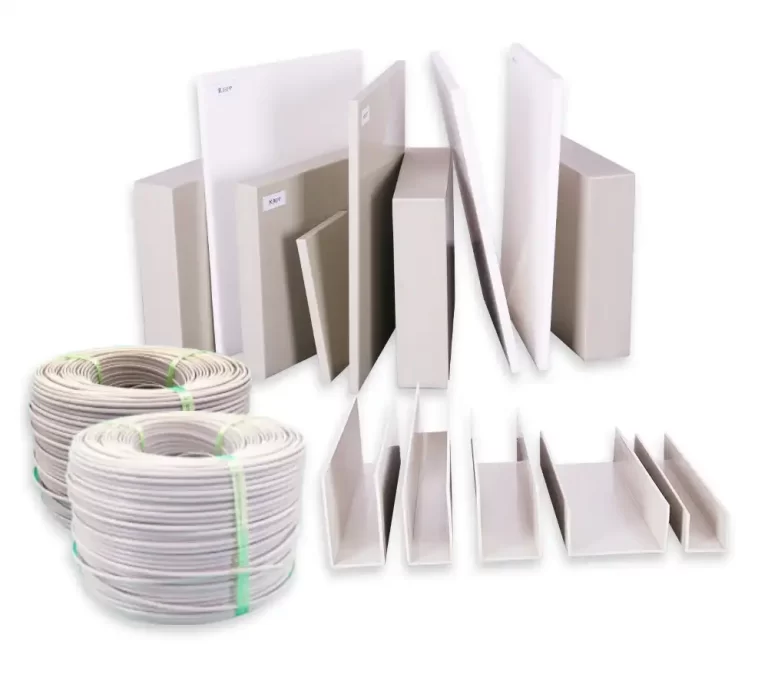
The pump body material matters at the same time. PPH can fit many common acid and alkali duties within its suitable temperature range. PVDF provides stronger chemical and temperature resistance in many acid services. CFRETFE or fluorine-lined designs may be considered for more aggressive media. No single material is best for every PCB bath.
| Selection item | What to confirm | Why it matters | Practical action |
|---|---|---|---|
| Exact chemical name | Acid, alkali, oxidizer, solvent, salt, or mixed bath. | Similar-looking baths can attack different elastomers. | Use the real bath formula, not a generic process label. |
| Concentration and temperature | Normal range, peak range, and cleaning condition. | Heat often accelerates swelling and loss of elasticity. | Check seal compatibility at the highest realistic temperature. |
| Seal material | EPDM, FKM, PTFE-based, or another specified material. | The wrong O-ring can swell even when the pump body is correct. | Match the elastomer to the chemical family and exposure time. |
| Pump body material | PPH, PVDF, CFRETFE, fluorine-lined, or other wetted material. | Body compatibility and seal compatibility must agree. | Review both before approving a pump or spare kit. |
| Maintenance history | Recent leak, seal replacement, bath change, or overtightening. | A replacement part can repeat the same failure mode. | Inspect the failed O-ring before discarding it. |
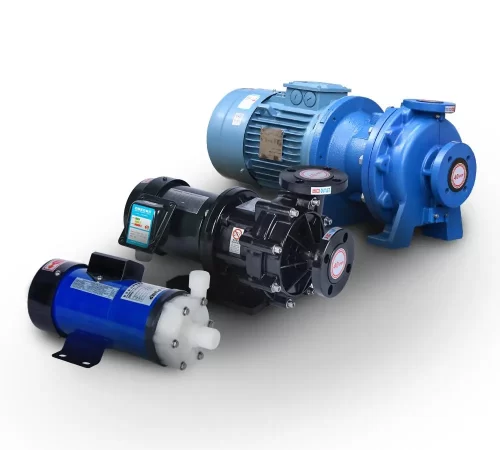
For closed chemical circulation, QEEHUA magnetic pumps can reduce leakage at a rotating shaft seal because they use a sealless drive structure. They still contain static sealing points. Those static seals must be chemically compatible with the process liquid.
Troubleshooting Checks Before Replacing Parts
Start with the failed seal. Compare it with a new part of the same size. If the used part is larger, softer, sticky, cracked, or flattened, treat chemical compatibility as a serious suspect. Do not only reinstall a new O-ring from the same material and expect a different result.
Next, inspect the groove and sealing faces. A swollen O-ring can leave residue, force the cover out of alignment, or create a false impression that the pump casting is warped. Clean the surface and check for scratches, particles, and chemical deposits. If pressure has been high, review electroplating filter pressure problems as a related system cause.
Check assembly pressure
Overtightening can damage plastic pump parts and distort the seal. Under-tightening can leave a leak path. The right answer is not always more torque. The right answer is correct seal size, correct material, clean surfaces, and even compression.
Check the bath history
Ask whether the line recently changed chemistry, raised temperature, switched suppliers, cleaned with a strong agent, or ran with crystals in the tank. A pump that performed well for months can leak quickly after one uncontrolled chemical change.
Check filter and circulation conditions
High differential pressure, clogged cartridges, and restricted return paths can stress sealing points. If the pump supports filtration, link the seal review with PCB wet process filtration pump selection so the flow, pressure, and filter media are reviewed together.
A Prevention Plan for B2B Buyers and Maintenance Teams
The best prevention plan starts before the purchase order. The buyer should provide chemical name, concentration, temperature, solids content, cleaning chemistry, flow target, head target, and required pump material. The supplier should return a clear pump and sealing material recommendation. If the bath changes later, the seal material should be reviewed again.
For maintenance teams, keep failed seals for inspection. Label them with date, bath, temperature, and pump model. This simple habit helps distinguish swelling, dry running, particle scoring, and pressure-related leakage. It also prevents repeat ordering of the wrong spare kit.
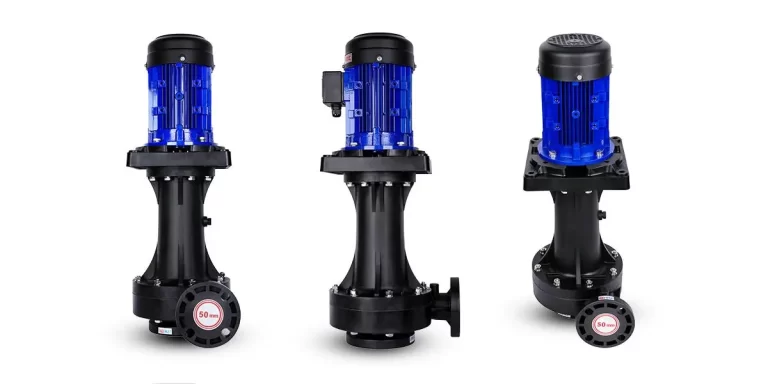
For engineers who are comparing PVDF, PPH, and filter-pump systems, the article on PVDF chemical filter pumps and electroplating efficiency is a useful next reference. It supports a wider specification review instead of treating the O-ring as an isolated spare part.
Need help checking pump seal compatibility for a PCB plating or chemical circulation line? Send the bath chemistry, concentration, temperature, pump model, and leakage location to info@qeehua.com. QEEHUA can help review pump material, seal material, and operating conditions together.
FAQ
What causes chemical pump O-ring swelling?
O-ring swelling usually comes from chemical incompatibility, high temperature, long exposure, or cleaning fluids that attack the elastomer. The seal absorbs fluid or changes structure until it no longer fits the groove correctly.
Is EPDM or FKM better for PCB plating pumps?
Neither is universally better. EPDM often fits many alkaline and ordinary acidic solutions. FKM often fits many acidic solutions and some solvents, but it is not recommended for many alkaline services.
Can a magnetic drive pump still leak if it has no shaft seal?
Yes. A magnetic drive pump removes the dynamic shaft seal, but it still has static sealing points such as O-rings or gaskets. Those seals must match the chemical service.
Should I replace the same O-ring material after swelling?
Not automatically. If the old O-ring swelled, inspect the chemical, temperature, and exposure history first. The replacement may need a different material or a wider pump specification review.
What information should I send when asking for seal compatibility help?
Send the chemical name, concentration, temperature, pump model, seal location, leak symptom, and whether the line uses cleaning chemicals or mixed baths. This helps avoid generic material advice.
Final Note
Chemical pump leakage is not always a pump-size problem. In many PCB and electroplating lines, it starts with a small material mismatch. Review the O-ring, gasket, body material, bath chemistry, temperature, and system pressure together. That approach gives maintenance teams a better chance of stopping the leak permanently.
