

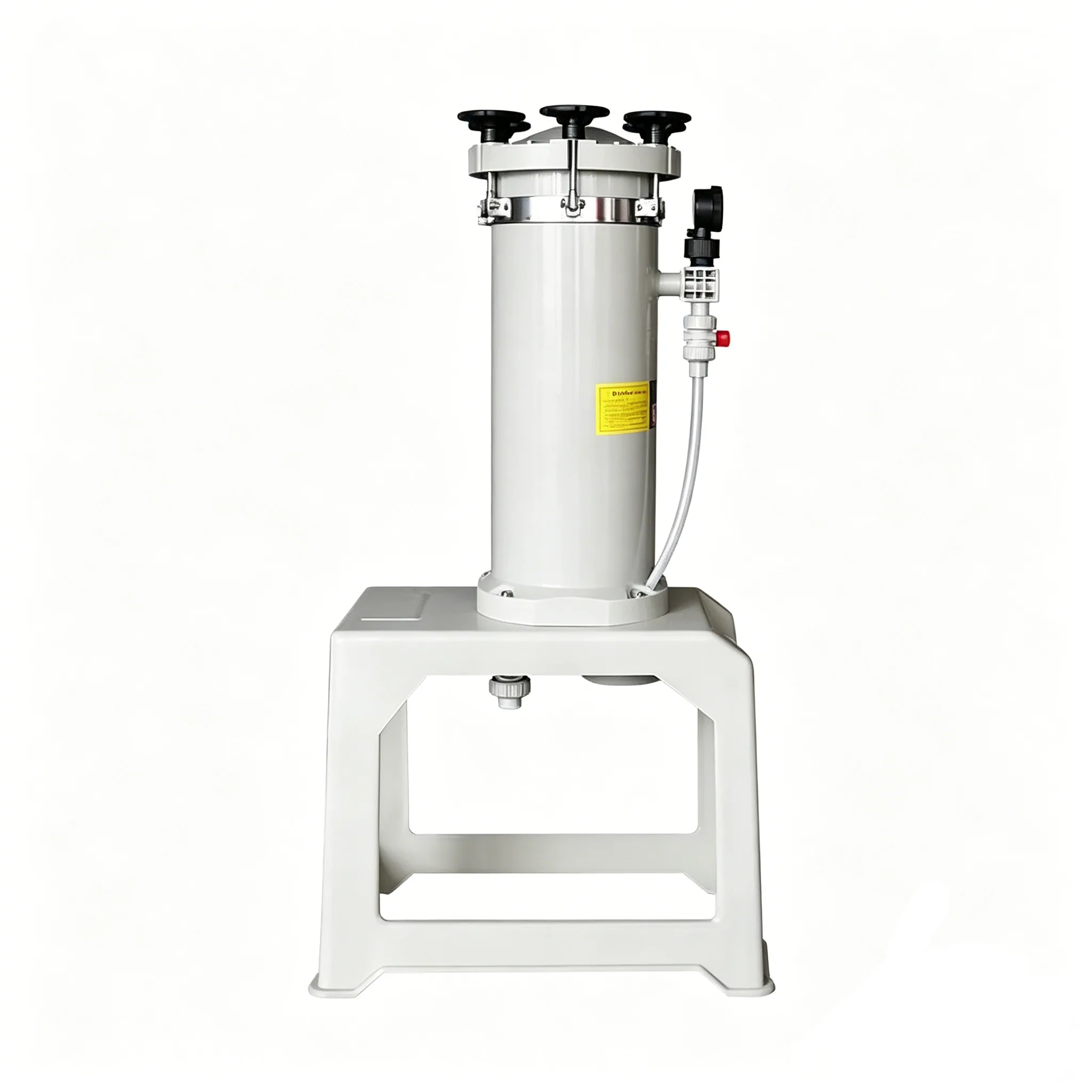
PCB wet process filtration should be selected by matching the chemical bath, target particle size, required turnover flow, filter media, pump material, and maintenance layout. In etching, developing, stripping, PTH, copper plating, chemical nickel, chemical gold, and rinse circulation, the filter is not just an accessory. It directly affects particle control, bath stability, surface quality, downtime, and chemical safety.
A good filtration system removes insoluble particles without damaging filter cartridges, starving the pump, introducing air, or contaminating another process tank. For PCB factories, the practical goal is simple: keep the chemical solution clean enough for the process, stable enough for production, and safe enough for maintenance.
Why Filtration Matters In PCB Wet Process Lines
PCB wet processes use acids, alkalis, oxidizers, developers, stripping solutions, metal-containing plating baths, and high-purity rinse water. These liquids can carry dust, copper particles, resin residues, anode sludge, undissolved salts, fibers, rust fragments, and organic contamination. If those contaminants remain in the bath, they may create defects that are much more expensive than the filter system itself.
In local QEEHUA application materials, PCB wet process equipment includes horizontal lines, VCP vertical continuous plating, PTH lines, chemical nickel-gold lines, etching, tin, developing, stripping, and copper recovery. These processes commonly use magnetic pumps, vertical pumps, chemical filters, diaphragm pumps, and metering pumps. That means filtration and pumping should be considered together, not as separate equipment decisions.
QEEHUA’s overview of chemical pump filters explains that chemical filters are used to remove insoluble particles and impurities from corrosive solutions in applications such as electroplating, surface treatment, and PCB etching equipment.

What Problems Can Poor PCB Filtration Cause?
Wrong filtration does not always look like a filter problem at first. It often appears as unstable quality, repeated pump complaints, cartridge damage, or unexplained bath contamination.
- Residual glue or film defects: developing and stripping baths may carry particles or residues that remain on the circuit pattern.
- Pinholes, rough plating, or poor copper deposition: electroplating and chemical copper baths need stable cleanliness to support uniform deposition.
- Scratched copper surfaces: dust, fibers, rust, or metal particles can damage fine-line boards.
- Micro-short circuits: small conductive contaminants can create hidden reliability risks.
- Filter cartridge failure: excessive pump flow or pressure shock can deform cartridges and reduce filtration efficiency.
- Cross-contamination: shared filtration systems can move chemistry from one tank to another if check valves and flushing are not designed correctly.
- Unexpected downtime: no bypass line means cartridge replacement may stop the entire process tank.
For PCB manufacturers making finer lines and higher-density boards, filtration is part of yield control. It is also part of maintenance planning, because a system that is difficult to vent, drain, and service will eventually be operated incorrectly.
How To Choose Filter Precision For PCB Wet Processes
Filter precision should match the process sensitivity, contaminant type, and chemical compatibility. A finer filter is not always better. If the precision is too fine for a dirty or high-flow bath, cartridges may clog quickly, differential pressure may rise, and the pump may operate outside a stable range.
Based on QEEHUA’s local PCB pain-point spreadsheet, practical filtration targets often differ by process. Developing, solder mask, chemical copper, and chemical gold usually require finer particle control than rough etching or general circulation. A practical starting framework is:
| PCB Process | Common Filtration Goal | Selection Notes |
|---|---|---|
| Developing / solder mask | Remove fine residue, dust, and film particles | High precision cartridges may be required; clean cartridge handling is important. |
| Chemical copper / PTH | Protect hole quality and deposition stability | Use compatible filter media and stable circulation to reduce void risk. |
| Chemical nickel / chemical gold | Protect high-value bath cleanliness | PVDF or higher-grade compatible materials may be preferred depending on chemistry. |
| Etching | Control copper particles and process debris | Match filter precision to bath load; avoid excessive pressure drop. |
| Rinse circulation | Reduce particles in recycled water | Consider process cleanliness and whether point-of-use filtration is needed. |
QEEHUA’s PCB electroplating filter article describes common contaminants such as solid impurities, organic contaminants, and anode sludge. The same idea applies across wet process lines: first identify what must be removed, then choose media and flow accordingly.
Match Pump Flow To Filter Capacity
A filter and pump must be selected as one circulation loop. If the pump flow is much higher than the filter’s rated capacity, the cartridge can be overloaded. This may force particles through the media, deform the cartridge, raise pressure, or shorten service life. If the pump flow is too low, bath turnover may be insufficient and filtration will not keep up with contamination generation.
When selecting the pump for a PCB filtration loop, confirm:
- Required bath turnover rate
- Total liquid volume in the tank
- Filter cartridge quantity and length
- Rated filtration flow
- Clean and dirty pressure drop
- Pipe diameter, elbows, valves, and height difference
- Chemical temperature and viscosity
- Whether the same pump also supports spray pressure or only filtration
The QH series acid and alkali resistant precision chemical filter page lists filtration volume, cartridge size, cartridge quantity, material, and pump power by model. These are the type of parameters that should be checked before deciding that a pump is suitable for a filter loop.

Choose Materials Based On Chemistry And Temperature
PCB filtration systems often handle corrosive liquids. The filter housing, pump, cartridge, O-rings, valves, and piping must all be compatible with the real chemistry, not only the process name.
QEEHUA product knowledge materials describe several common material choices. PP or PPH may be suitable for many ordinary acid and alkali solutions at moderate temperature. PVDF is commonly selected for stronger acids, smoother wetted surfaces, higher cleanliness requirements, and chemical nickel or chemical gold applications where adhesion and crystallization can be concerns. Fluoroplastic materials such as FEP or PFA may be considered for more aggressive chemical service. Elastomers such as EPDM and FKM should be selected based on acid, alkali, solvent, and temperature conditions.
For filtration systems, material selection should answer five questions:
- What is the chemical name and concentration?
- What is the normal and maximum operating temperature?
- Does the liquid contain oxidizers, metal ions, or crystals?
- What level of cleanliness is required?
- Will the system experience frequent cartridge replacement or chemical cleaning?
Never choose a filter material only by price. A low-cost housing or seal that swells, cracks, sheds particles, or leaks can create a much higher cost in PCB scrap and downtime.
Prevent Air Binding, Leakage, And Filtration Short Circuit
Many filtration failures come from installation details rather than the filter model itself. QEEHUA’s local PCB pain-point file repeatedly highlights practical installation risks: filters installed out of level, inlet and outlet connected incorrectly, O-rings missing or displaced, exhaust valves placed too low, and filter cartridges installed without clean handling control.
Important installation checks include:
- Install the filter level so the cover and sealing face load evenly.
- Confirm inlet and outlet direction before startup.
- Place the pressure gauge and vent valve at useful high points.
- Vent the filter fully before normal operation.
- Seat O-rings correctly and keep sealing faces clean.
- Use a drain valve at the filter bottom to remove residual solution before service.
- Add a containment tray where leakage could reach boards or conveyors.
If the filter inlet and outlet are reversed, the solution may bypass the intended filtration path. If air remains in the housing, flow can fluctuate and the pump may lose stable suction. If the O-ring is twisted or missing, leakage can contaminate boards and damage nearby equipment.
Use Bypass And Anti-Backflow Design For Production Stability
PCB wet process lines often need continuous production. If there is no bypass piping, cartridge replacement can force a tank or line to stop. A bypass valve allows maintenance to be planned more flexibly, although the process engineer must decide whether temporary bypass is acceptable for that bath.
For multi-tank systems, anti-backflow design is even more important. Sharing one filter across multiple chemical tanks can create cross-contamination if each branch does not have suitable check valves, isolation valves, and flushing procedures. In sensitive processes such as developing, etching, stripping, chemical copper, and surface finishing, one-tank-one-filter design is often safer than a shared filter loop.
When shared filtration is unavoidable, confirm:
- Each tank branch has compatible check valves.
- Operators have a flushing procedure between tanks.
- Dead legs and trapped chemical pockets are minimized.
- Valve labels are clear enough to prevent operation mistakes.
- There is a way to drain and clean the filter before switching service.
PCB Wet Process Filtration Selection Checklist
Use this checklist before choosing a chemical filter and pump for a PCB wet process line:
- Identify the bath chemistry, concentration, temperature, and contamination type.
- Define the target particle size and process cleanliness requirement.
- Choose cartridge, bag, carbon, or other filter media based on the contaminant.
- Match pump flow to filter capacity and bath turnover demand.
- Calculate pressure drop when cartridges are clean and when they are near replacement.
- Select housing, pump, seal, and piping materials for the actual chemical.
- Design venting, drainage, bypass, and maintenance access.
- Prevent backflow and cross-contamination between tanks.
- Use clean cartridge handling procedures in sensitive PCB areas.
- Protect motors, cables, supports, and grounding points from acid mist and splashing.
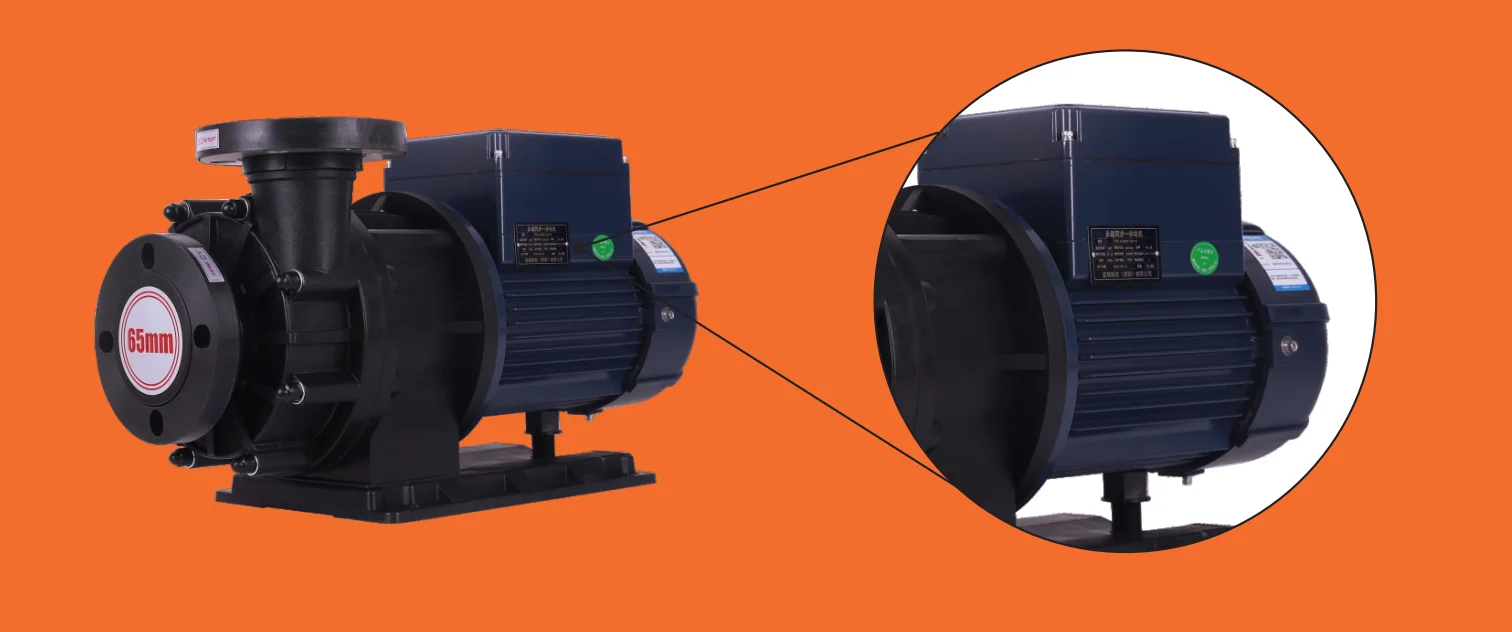
QEEHUA’s chemical pump and filter product range includes magnetic pumps, centrifugal pumps, vertical pumps, and chemical filters used in PCB/FPC, electroplating, semiconductor, solar, lithium battery, chemical, pharmaceutical, and coating applications. For electroplating-specific context, see the article on chemical pumps in electroplating processes.
FAQ
What is PCB wet process filtration?
PCB wet process filtration is the continuous or batch removal of particles, residues, sludge, fibers, and other contaminants from chemical baths used in etching, developing, stripping, plating, PTH, surface finishing, and rinse circulation.
What filter precision is best for PCB production?
There is no universal best precision. Developing, solder mask, chemical copper, and chemical gold usually need finer filtration than rough etching or general circulation. The correct precision depends on particle risk, bath chemistry, flow rate, and cartridge life.
Why should pump flow match filter capacity?
If pump flow is too high, the cartridge can be damaged or filtration efficiency can drop. If flow is too low, bath turnover may not control contamination. The pump and filter should be selected as one circulation loop.
Which material is better for PCB chemical filters, PP or PVDF?
PP or PPH may be suitable for many ordinary acid and alkali solutions at moderate temperature. PVDF is often preferred for stronger acids, higher cleanliness requirements, smoother wetted surfaces, and more demanding chemical nickel or chemical gold applications.
Can one filter serve multiple PCB chemical tanks?
It is usually safer to use dedicated filtration for sensitive tanks. If one filter serves multiple tanks, use check valves, isolation valves, flushing procedures, and contamination-control rules to prevent cross-contamination.
Conclusion
PCB wet process filtration is not just about choosing a filter housing. A reliable system combines the right filter precision, compatible materials, stable pump flow, clean cartridge handling, bypass design, venting, drainage, and anti-backflow control.
For PCB etching, developing, stripping, PTH, copper plating, chemical nickel, chemical gold, and rinse circulation, QEEHUA chemical filters and corrosion-resistant pumps can be selected together as a practical filtration loop. The best choice should always be based on the real chemical, temperature, flow, head, contamination risk, and maintenance requirements of the production line.
