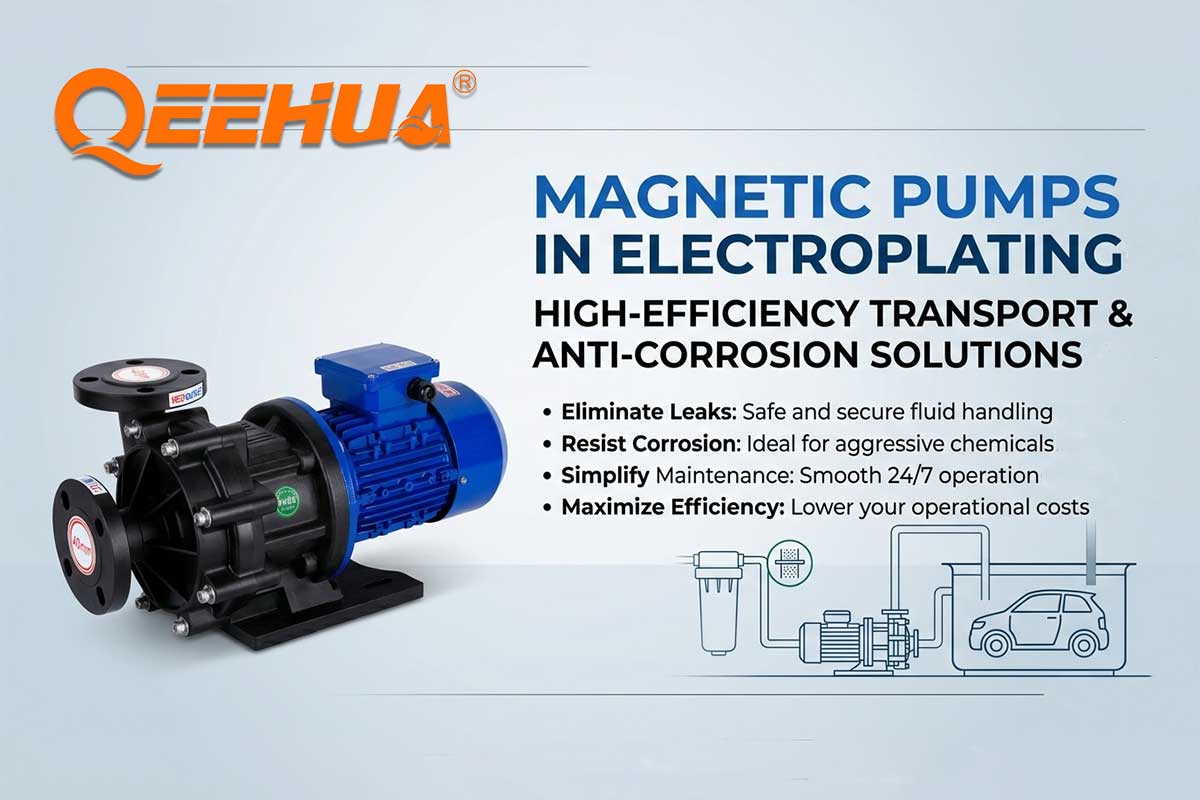
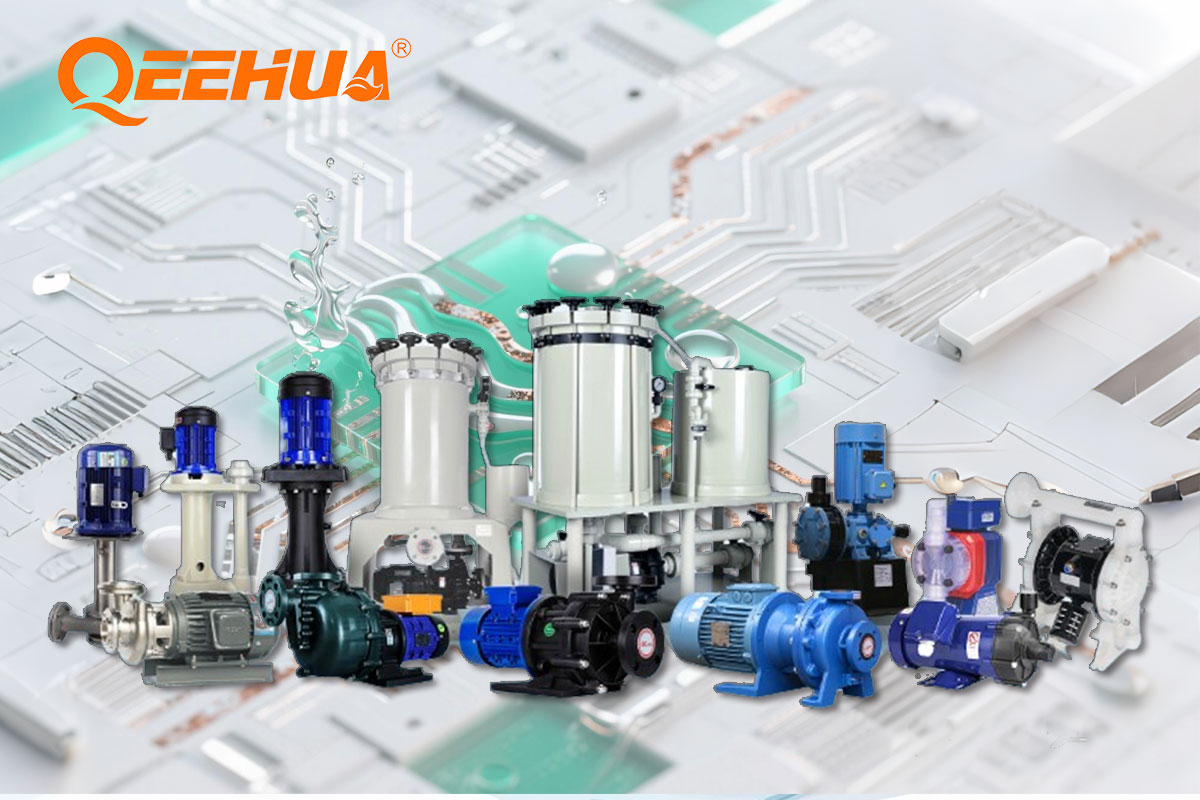
In PCB electroplating, electroplating filters are key equipment for filtering particles, impurities and organic contaminants in the electroplating solution. By continuously purifying the bath solution, they prevent deposition defects, extend the service life of the electroplating solution and reduce production costs. They are the “pillar” for achieving high-quality coatings.
Introduction & Key Takeaway
For any manufacturer of printed circuit boards (PCBs), defect-free plating quality is not optional—it is the foundation of product reliability and performance. The presence of even microscopic impurities in electroplating baths can cause voids, roughness, and adhesion failures. This is why PCB electroplating filters are indispensable equipment in modern plating lines.
In this article, we will explain what PCB electroplating filters are, why they are critical, and how the right filter systems ensure plating stability, efficiency, and cost savings. Along the way, we will highlight where advanced solutions—such as corrosion-resistant pumps and high-capacity chemical filters from QEEHUA—fit naturally into these processes.
What Are PCB Electroplating Filters?
A PCB electroplating filter is a specialized system designed to continuously remove impurities from plating solutions. These contaminants may include:
-
Solid impurities: dust, metal shavings, polishing residues, undissolved salts.
-
Organic contaminants: oils, greases, or decomposition products.
-
Anode sludge: particles generated during electrochemical reactions.
By trapping these impurities, filters ensure plating baths remain clean, consistent, and chemically balanced.
In PCB production, QEEHUA’s filters are primarily used for circulating fluid filtration in the following process steps: inner and outer layer circuit etching (both acidic and alkaline etching solutions), various plating processes (such as copper and tin plating), developing (dry and wet film developing solutions), stripping, and pickling and micro-etching (using sulfuric acid, hydrochloric acid, and sodium persulfate, among others). Additionally, QEEHUA filters are widely applied in chemical copper deposition (PTH lines) and for circulating rinse water (such as DI water and tap water).
- Get your chemical pump solution now
- Engineers will provide model selection and quotation within 24 hour
Why Are PCB Electroplating Filters Essential?
Filtration is not just a maintenance task; it directly impacts product quality and operational costs:
-
Prevent Defects
-
Without proper filtration, contaminants cause plating issues such as voids, pinholes, and rough deposits.
-
In through-hole plating, impurities can interrupt electrical continuity, leading to costly PCB failures.
-
-
Ensure Adhesion and Continuity
-
Clean solutions improve metal adhesion, ensuring layers bond correctly.
-
Stable plating prevents interruptions in conductivity across multi-layer PCBs.
-
-
Maintain Bath Quality
-
Filters stabilize the plating bath by controlling particle buildup, extending bath life 3–5 times compared to unfiltered solutions.
-
How Do PCB Electroplating Filters Work?
At their core, these systems consist of:
-
Filter Media
-
Cartridge filters: 1–10 micron precision for fine impurities.
-
Bag filters: effective for coarse particle removal.
-
Carbon filters: adsorb organic contaminants and discoloration.
-
Precoat filters: ultra-fine filtration using diatomaceous earth.
-
-
Filter Housing
-
Built from corrosion-resistant materials such as PPH or PVDF to withstand aggressive plating chemicals.
-
-
Filter Pump
-
Circulates the plating bath through the filter. For harsh chemicals, sealless magnetic drive pumps are preferred.
-
Filter Pump
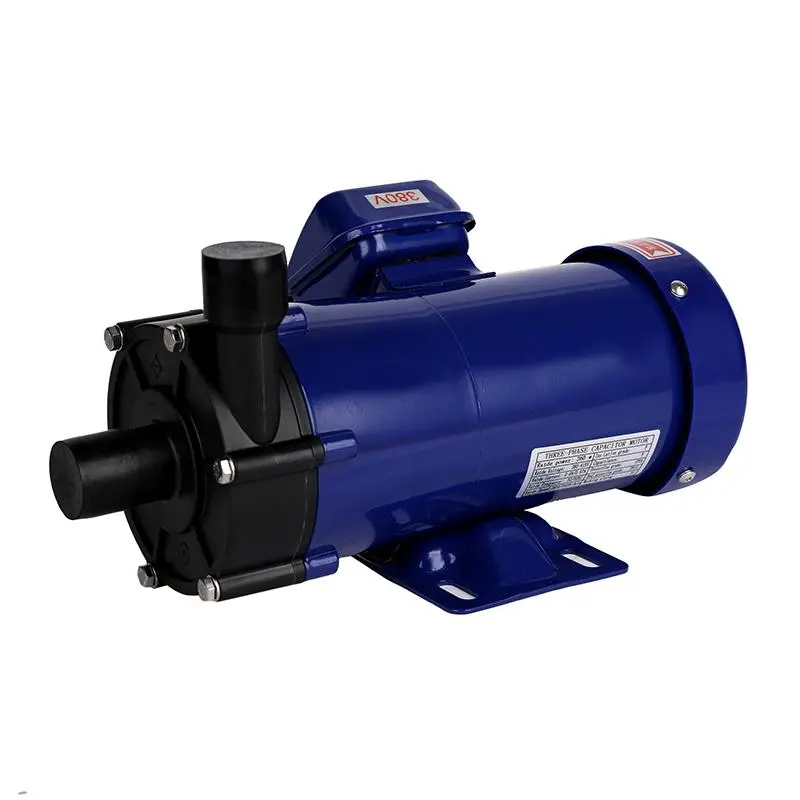
Max. Flow Rate: 102L/min
Max. Head: 13.1m
Main Material: PPH / PVDF / CFRETFE
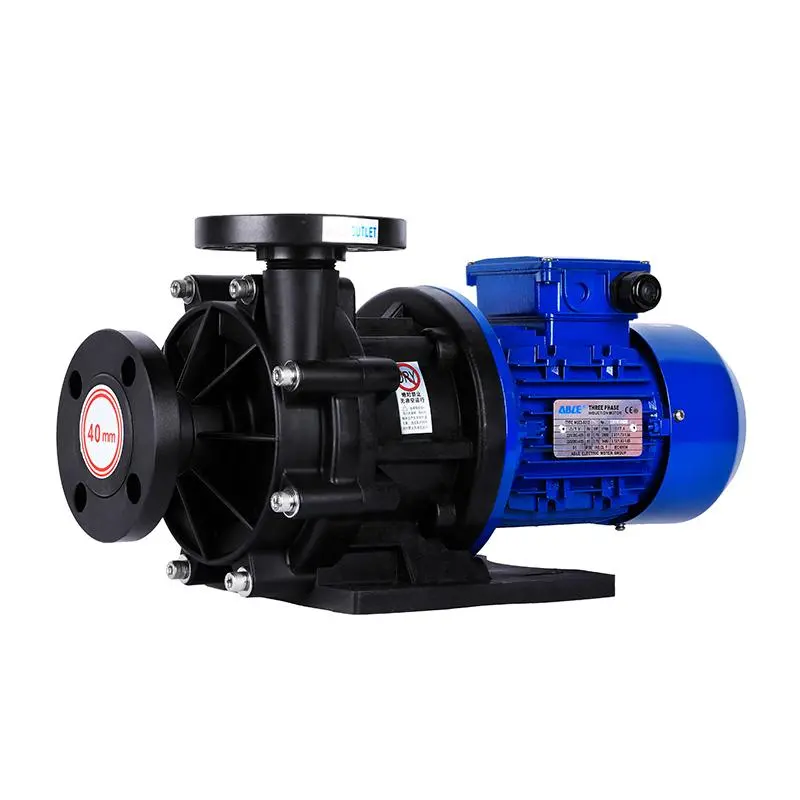
Max. Flow Rate: 1567L/min
Max. Head: 41m
Main Material: PPH/PVDF/CFRETTE

Max. Flow Rate: 1,583L/min
Max. Head: 70m
Main Material: PPH/PVDF/CFRETTE

Max. Flow Rate: 830L/min
Max. Head: 120 m
Main Material: SUS 304/SUS 316
Benefits of Using PCB Electroplating Filters
When properly specified, these systems deliver multiple operational and financial benefits:
-
High-Quality Results: Smooth, defect-free plating surfaces.
-
Extended Bath Life: Fewer chemical replacements, reducing cost and downtime.
-
Efficiency Gains: Continuous operation with minimal interruptions.
-
Reduced Costs: Lower chemical usage, fewer scrap PCBs, and optimized energy consumption.
-
Environmental Compliance: Cleaner baths mean less chemical waste and easier treatment of effluents.
Choosing the Right Filter & Pump Combination
When selecting a PCB electroplating filter system, engineers should consider:
-
Filtration precision (1–5 microns for nickel, copper, zinc baths).
-
Material compatibility (PP for general acids, PVDF for oxidizing acids, 316L stainless steel for high-pressure or high-temperature environments).
-
Pump type (plastic magnetic drive for acids/alkalis, stainless steel for solvents or extreme temperatures).
MANUFACTURER+TRADER EXPERT OF CHEMICAL FLUID EQUIPMENT
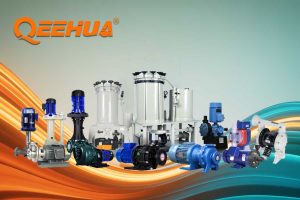
We not only offer high-performance chemical pumps, but also integrate upstream and downstream resources such as valves, pipelines, and control systems. We create integrated solutions that match the scenarios for industries like PCB, electroplating, and chemical engineering. Submit your requirements and we will tailor the best configuration for you.
Conclusion
The reliability of a PCB plating line depends heavily on the quality of its electroplating filter system. By ensuring impurity-free solutions, these filters guarantee:
-
Defect-free plating layers.
-
Stable conductivity across layers.
-
Extended bath life and reduced operational costs.
-
Improved efficiency and environmental compliance.
For distributors and project engineers, the takeaway is clear: investing in advanced PCB electroplating filters and compatible magnetic-drive pumps is not just an upgrade—it is a necessity.
With decades of expertise, global certifications (ISO9001, ISO14001, CE, SGS), and patented technologies like “internal magnetic molding,” QEEHUA provides a full range of pumps and filters designed to solve real-world challenges in PCB, plating, semiconductor, and chemical industries.