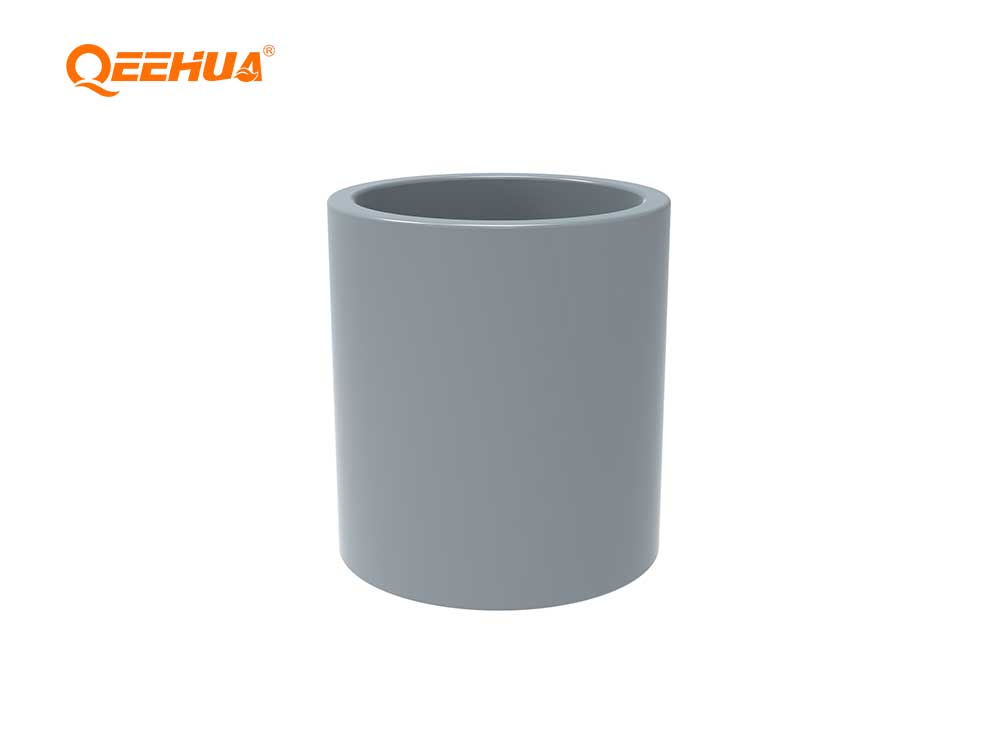
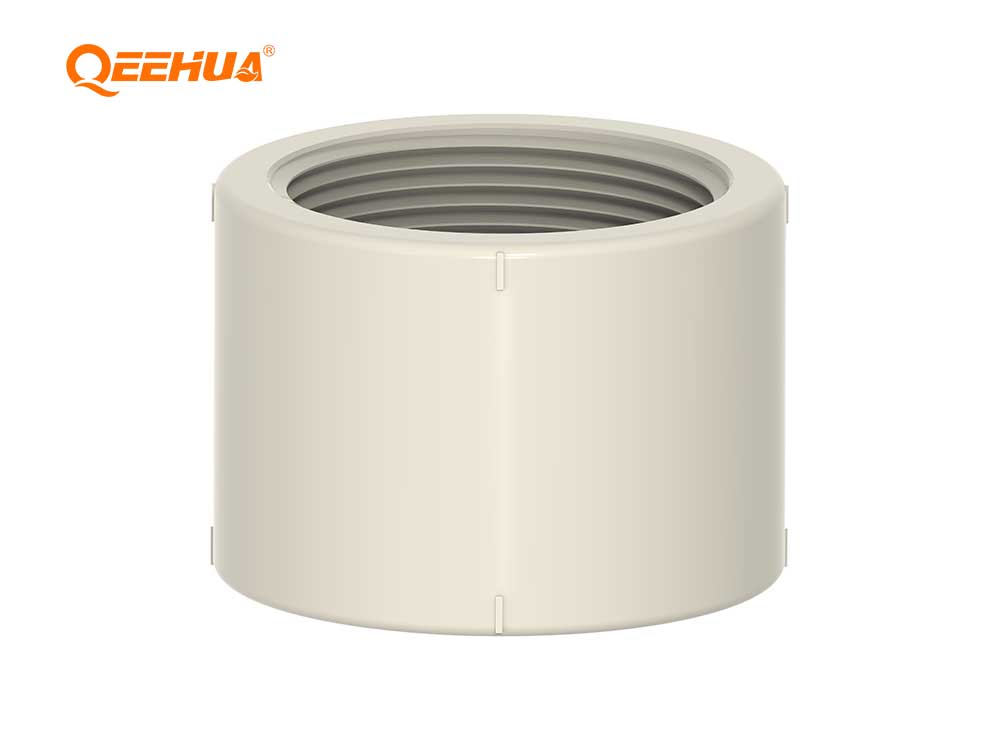
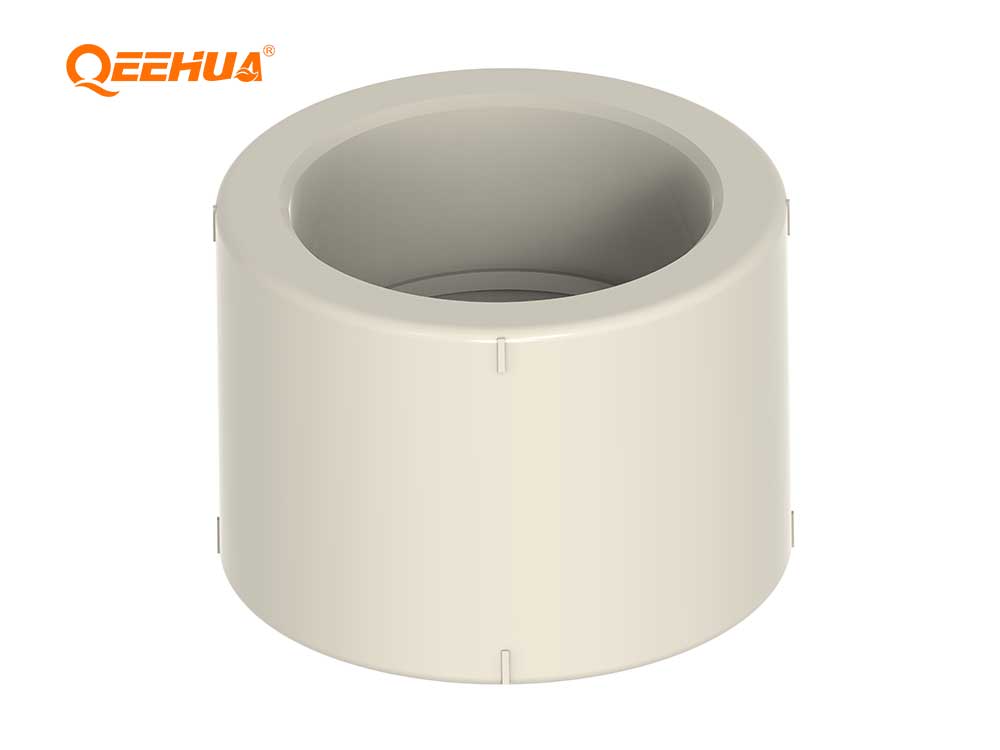
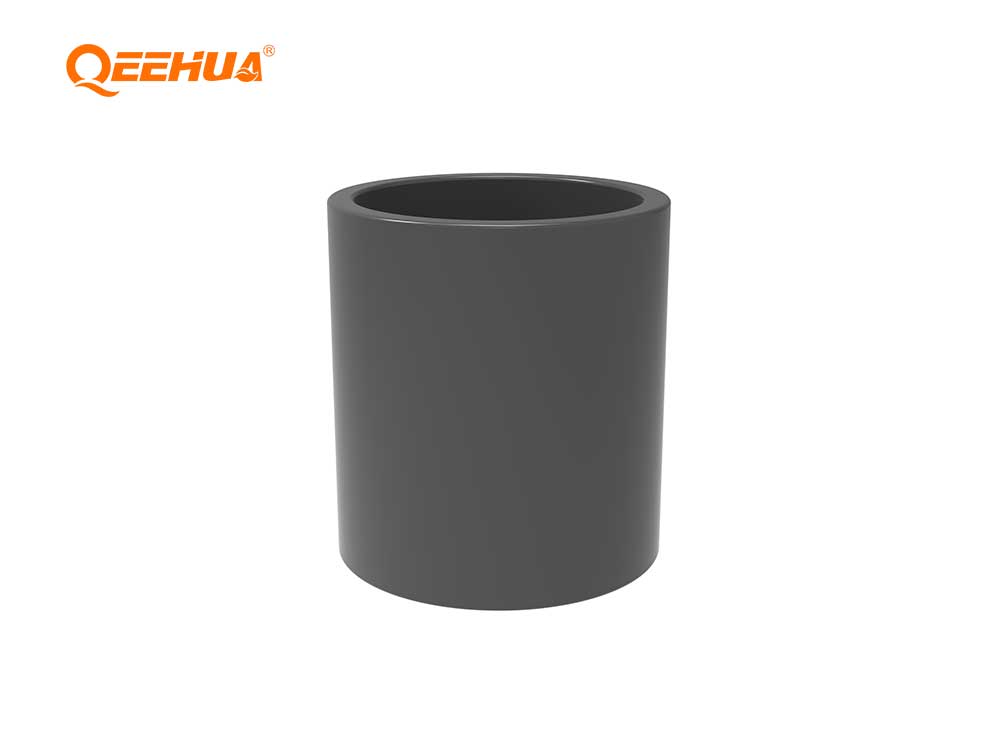
Industrial plastic pipes are available from Professional Plastics for a wide variety of industrial, commercial and high-performance applications. Common Materials include PVC, Polypropylene, CPVC and more. We also handle a full range of fittings, and flexible tubing products.
-
- Strong corrosion resistance
- Acid – and – alkali resistant
- High – temperature resistant
- Impact – resistant
- Not prone to deformation
- Not prone to scaling
- Multiple specifications
- Reliable and durable
corrosion resisting

High temperature resistance

Not easily deformed

Industrial Plastic Pipe
Industrial plastic pipes are pipes made from various polymers and are used in a wide range of applications, including chemical processing, water and wastewater, and gas distribution. They offer advantages like corrosion resistance, light weight, and flexibility, making them a versatile alternative to traditional materials like metal.
PVC (Polyvinyl Chloride):
Known for its versatility, PVC pipes are used in numerous applications such as water mains, sewage, and irrigation systems. They are resistant to abrasion and corrosion and are available in both metric and imperial sizes.
Polypropylene (PP-H):
Polypropylene pipes are highly resistant to chemicals and solvents, making them ideal for handling hazardous chemicals in industrial pipelines. They can also handle high temperatures.

CPVC product technical specifications
| Product Size (Nominal Size) | 1/2″ – 16″ |
| Follow the standards | ANSI, ASTM D1785, ASTM F441 |
| Pressure rating | PN10 / PN16 |
| Connection | Socket | Flange |
| Material | CPVC |
Core advantage
- Outstanding high-temperature resistance: It can withstand a long-term temperature of 95℃,Short-term temperature resistance up to 110℃.
- Extremely strong chemical stability: It can resist strong acids, strong alkalis and various corrosive media, and its corrosion resistance is superior to that of UPVC.
Application
- PCB electronics, semiconductors, new energy, copper foil, aluminum foil and other metallurgical industries
- The pharmaceutical and chemical industries
- High-end agriculture, smart agriculture and other related industries

UPVC Pipe & Fittings – Technical Specifications
| Nominal Size | 1/2″ – 16″ |
| Standard | ANSI |
| Conforms To | ASTM F441, ASTM D1785 |
| Pressure Rating | PN10 / PN16 |
| Connection Type | Socket | Flange |
| Material | UPVC |
Key Properties & Limitations
- Chemical Resistance: Good durability against medium and low concentration acid-base salt solutions.
- Operating Temperature: Best suited for a limited range of 5°C to 45°C.
- Chemical Limitations: Not resistant to organic solvents and is not combustion-supporting.
- Low-Temperature Brittleness: Performance may be compromised in low-temperature environments due to obvious brittleness.
Typical Applications
- PCB electronics, semiconductor, new energy, copper foil & aluminum foil industries.
- Pharmaceutical and chemical processing.
- High-end and intelligent agriculture systems.
- Other metallurgical and industrial applications.

PPH / PPR Pipe & Fittings – Technical Specifications
| Nominal Size | DN15 – DN400 |
| Standard | DIN |
| Conforms To | GB/T18742.2-2017, DIN 8077:2007-05 |
| Pressure Rating | PN10 / PN16 |
| Connection Type | Socket |
| Material | PPH | PPR |
Key Properties & Limitations
- Wide Operating Temperature: Excellent performance in a broad range from -20°C to 95°C.
- Excellent Toughness: Highly durable and resistant to physical impact and stress.
- Good Chemical Resistance: Suitable for use with a variety of common acids and alkalis.
- Solvent & Acid Limitations: Not resistant to aromatic hydrocarbons, other organic solvents, or high-strength/mixed acids.
- UV & Weather Resistance: Poor resistance to direct sunlight (UV radiation), which can cause material degradation over time. Shielding is required for outdoor installations.
- Flammability: This material is flammable and should not be used near open flames or high-temperature ignition sources.
Typical Applications
- PCB electronics, semiconductor, new energy, and metallurgical industries (copper/aluminum foil).
- Pharmaceutical and chemical processing plants.
- High-end and intelligent agriculture irrigation systems.

UPVC Pipe & Fittings (DIN) – Technical Specifications
| Nominal Size | DN15 – DN400 |
| Standard | DIN |
| Conforms To | GB/T18998.2-2022 |
| Pressure Rating | PN10 / PN16 |
| Connection Type | Socket | Flange |
| Material | UPVC |
Key Properties & Limitations
- Chemical Resistance: Good durability against a range of medium and low concentration acid-base salt solutions.
- Fire Performance: Self-extinguishing and does not support combustion, enhancing safety.
- Operating Temperature: Strictly for use within a temperature range of 5°C to 45°C.
- Solvent Resistance: Not resistant to organic solvents such as ketones, esters, and aromatic hydrocarbons.
- Low-Temperature Brittleness: Exhibits significant brittleness at low temperatures, requiring careful handling during installation in cold environments.
Typical Applications
- PCB electronics, semiconductor, new energy, copper foil & aluminum foil industries.
- Pharmaceutical and chemical processing.
- High-end and intelligent agriculture systems.
- Other metallurgical and industrial applications where temperature is controlled.

CPVC Pipe & Fittings (DIN) – Technical Specifications
| Nominal Size | DN15 – DN400 |
| Standard | DIN |
| Conforms To | GB/T 4219.1-2008, GB/T18998.2-2022 |
| Pressure Rating | PN10 / PN16 |
| Connection Type | Socket |
| Material | CPVC |
Key Advantages
- High-Temperature Performance: Excellent for hot water and high-temperature fluids, with long-term resistance up to 95°C and short-term tolerance up to 110°C.
- Superior Chemical Stability: Highly resistant to strong acids, strong alkalis, and various corrosive media, offering significantly better performance than standard UPVC.
Typical Applications
- PCB electronics, semiconductor, new energy, and metallurgical industries (copper/aluminum foil).
- Pharmaceutical and chemical processing plants.
- High-end and intelligent agriculture systems.
- Any industrial application requiring high heat and chemical resistance.

CPVC Pipe & Fittings (JIS) – Technical Specifications
| Nominal Size | 16A-300A |
| Standard | JIS |
| Conforms To | JIS K6742, JIS K6776 |
| Pressure Rating | PN10 / PN16 |
| Connection Type | Socket | Flange |
| Material Sealing Element | CPVC |
Key Advantages
- Excellent High Temperature Resistance: Long-term resistance to 95°C, short-term resistance to 110°C, suitable for hot water and high temperature fluids.
- Strong Chemical Stability: Resistant to strong acids, strong alkalis and corrosive media, superior to UPVC.
Typical Applications
- PCB electronics and semiconductor manufacturing
- New energy and metallurgical industries (copper/aluminum foil)
- Pharmaceutical and chemical processing
- High-end agriculture and intelligent agriculture systems

UPVC Pipe & Fittings (JIS/DIN) – Technical Specifications
| Nominal Size | 16A-300A |
| Standard | DIN / JIS |
| Conforms To | JIS K6742, JIS 6776 |
| Pressure Rating | PN10 / PN16 |
| Connection Type | Socket |
| Material Sealing Element | UPVC |
Material Properties
- Operating Temperature Range: 5-45°C
(Not suitable for extreme temperature conditions)
- Chemical Resistance: Good durability with medium and low concentration acid-base salt solutions
(Not resistant to organic solvents and combustion supporting)
- Low Temperature Performance: Brittleness is obvious at low temperatures
Typical Applications
- PCB electronics and semiconductor manufacturing
- New energy and metallurgical industries (copper/aluminum foil processing)
- Pharmaceutical and chemical industry applications
- High-end agriculture and intelligent agriculture systems
- Other industrial applications within specified temperature ranges
Industrial Plastic Fittings
Industrial plastic fittings are the “joints and organs” of plastic piping systems. They allow pipes to change direction, branch, reduce or enlarge diameter, seal ends, or connect to valves and pumps—while maintaining chemical resistance, light weight and easy installation.
1. Main Materials & Typical Uses
| Material | Max Service Temp | Key Properties | Typical Industries |
|---|---|---|---|
| PVC (Sch 40/80) | 60 °C | Good acid/alkali resistance, low cost | Water, drainage, irrigation |
| CPVC | 95 °C | Higher temp & fire rating, low smoke | Hot water, chemical lines |
| PP (polypropylene) | 90 °C | Excellent chemical & stress-crack resistance | Electroplating, pharmaceutical |
| PVDF (Kynar®) | 140 °C | Ultra-pure, UV-stable, solvent resistant | Semiconductor, lithium battery, food |
| PTFE-lined | 200 °C | Virtually universal chemical resistance | Strong acid/alkali, ultra-pure |
2. Core Fitting Families
| Fitting Type | Function | Common Angles/Sizes |
|---|---|---|
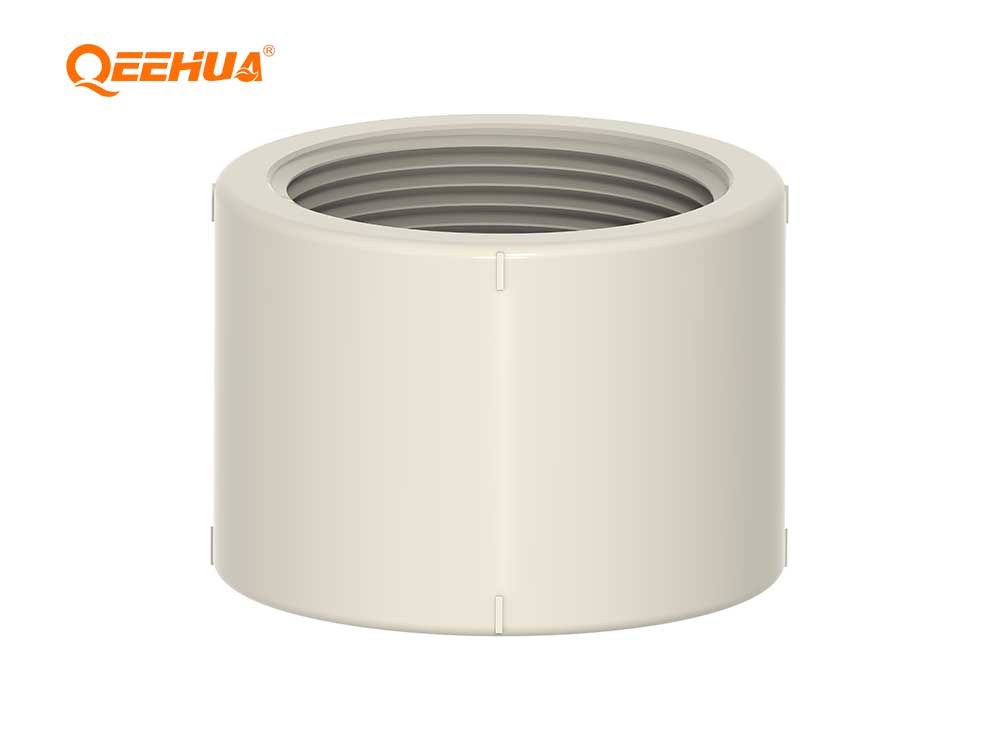
| Coupling / Union | Join equal-diameter pipes; union allows future disassembly | ½”–12″ |
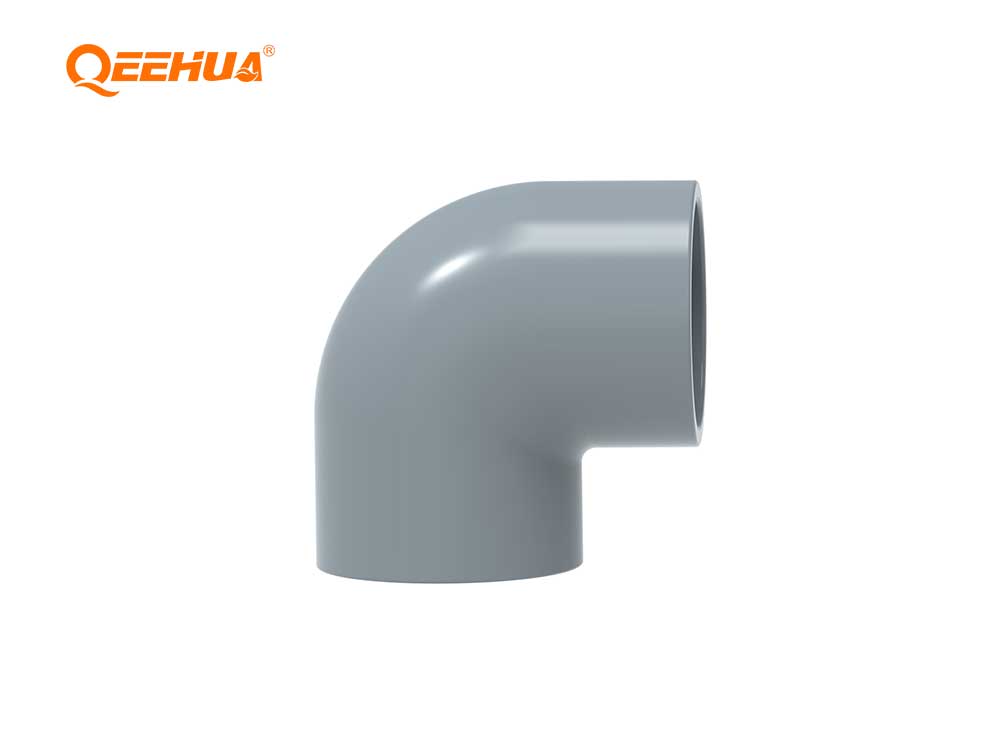
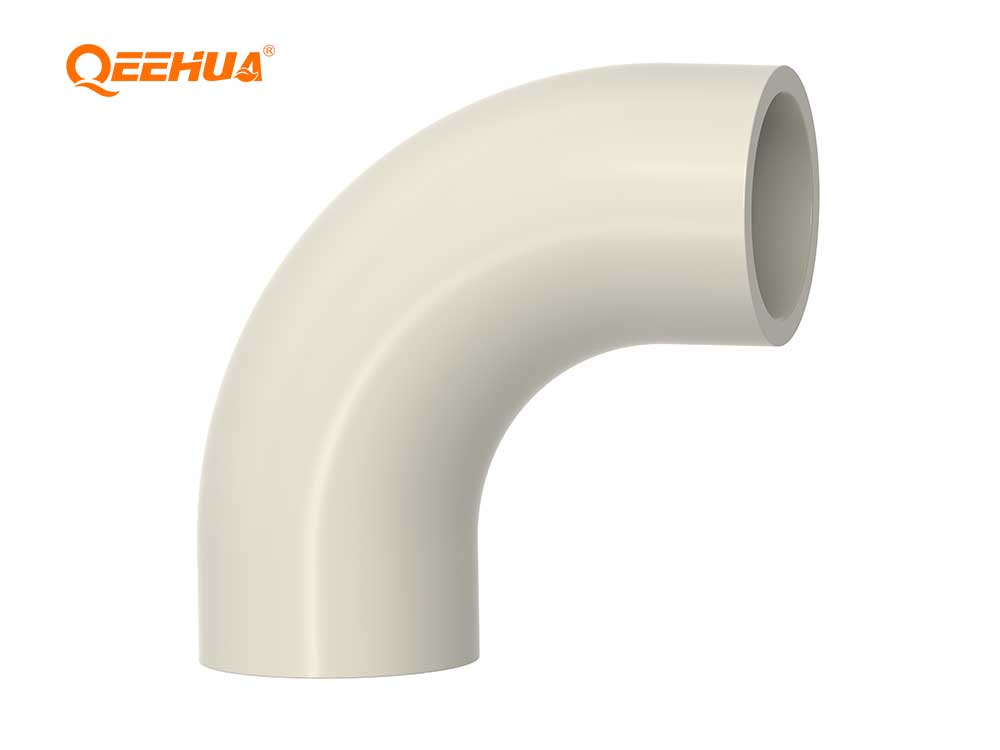
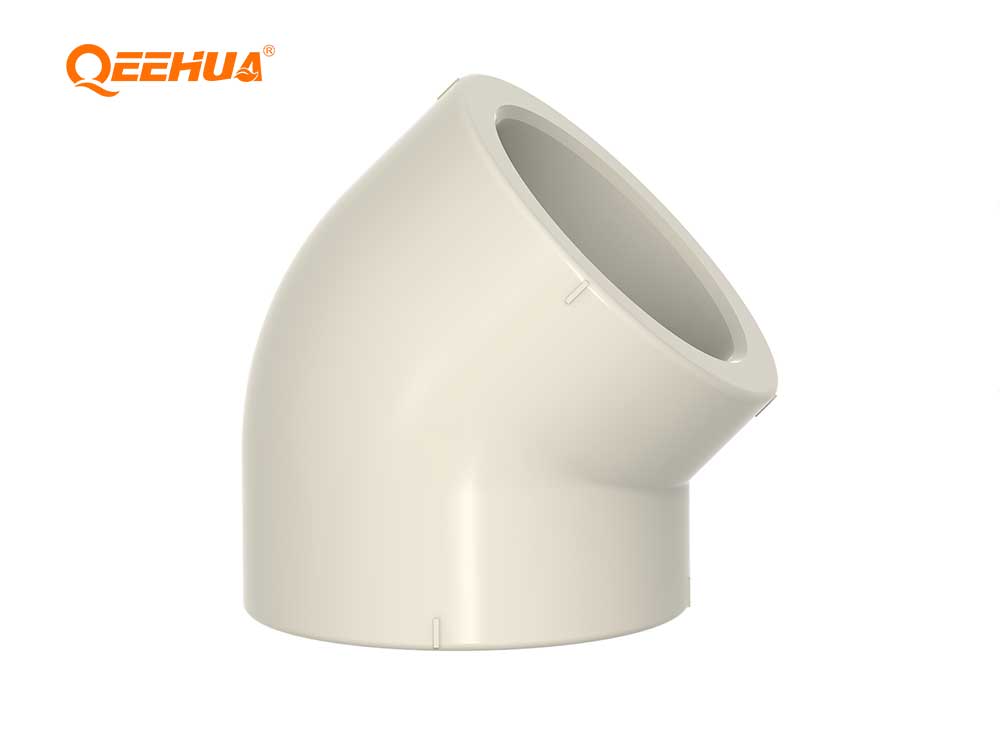
| Elbow | Change direction | 22.5°, 45°, 90°, long-radius or street |
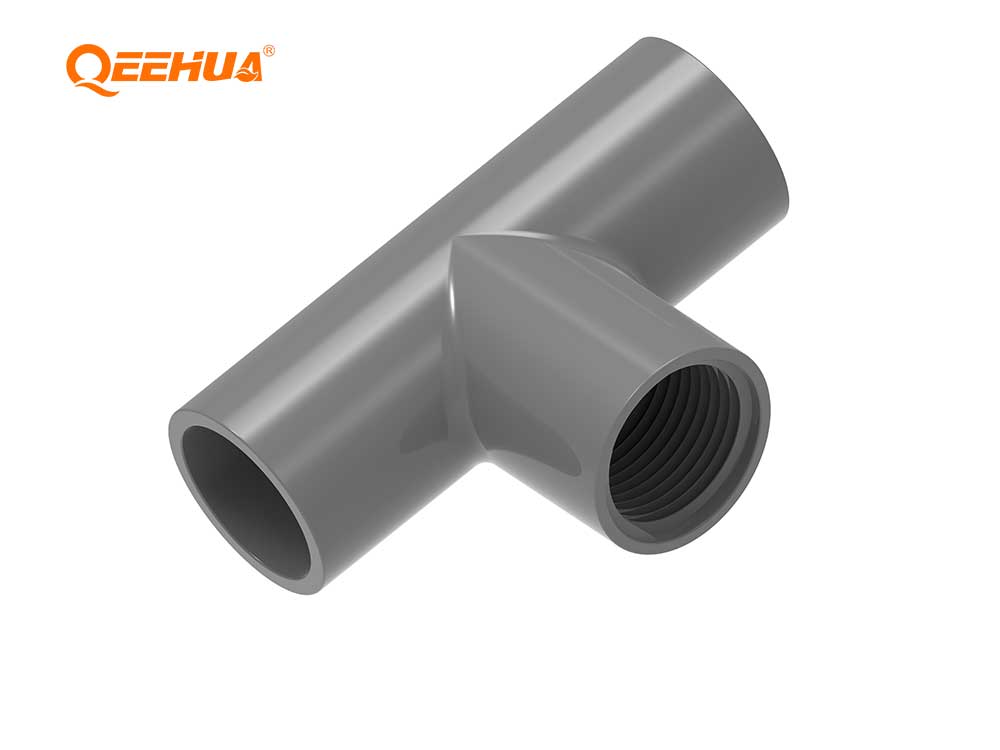
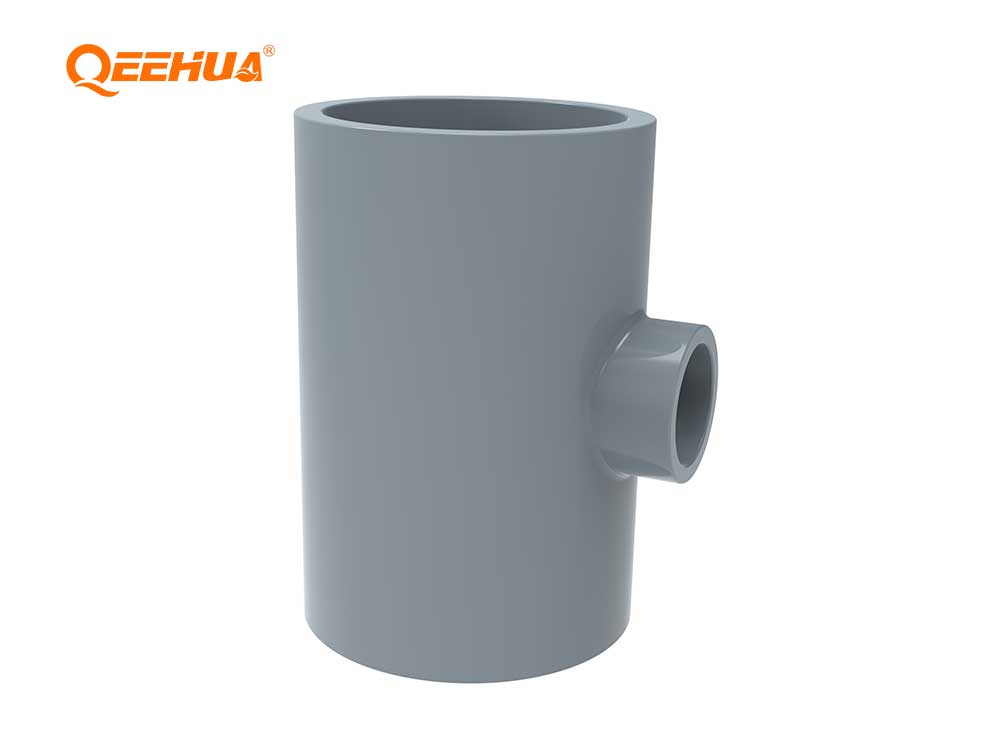
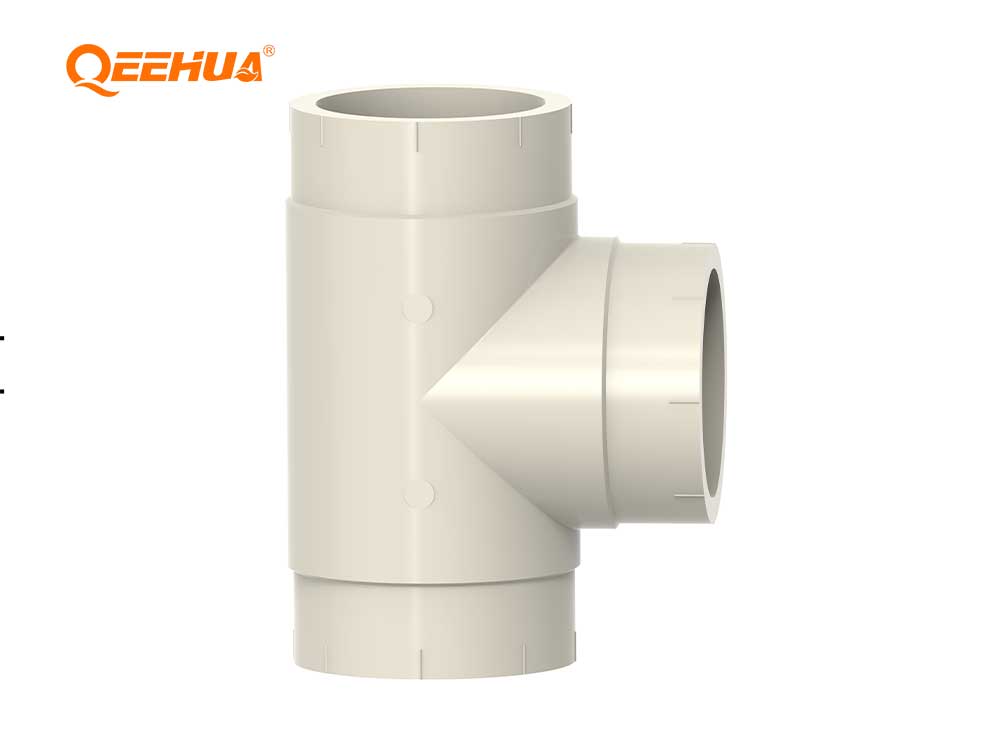
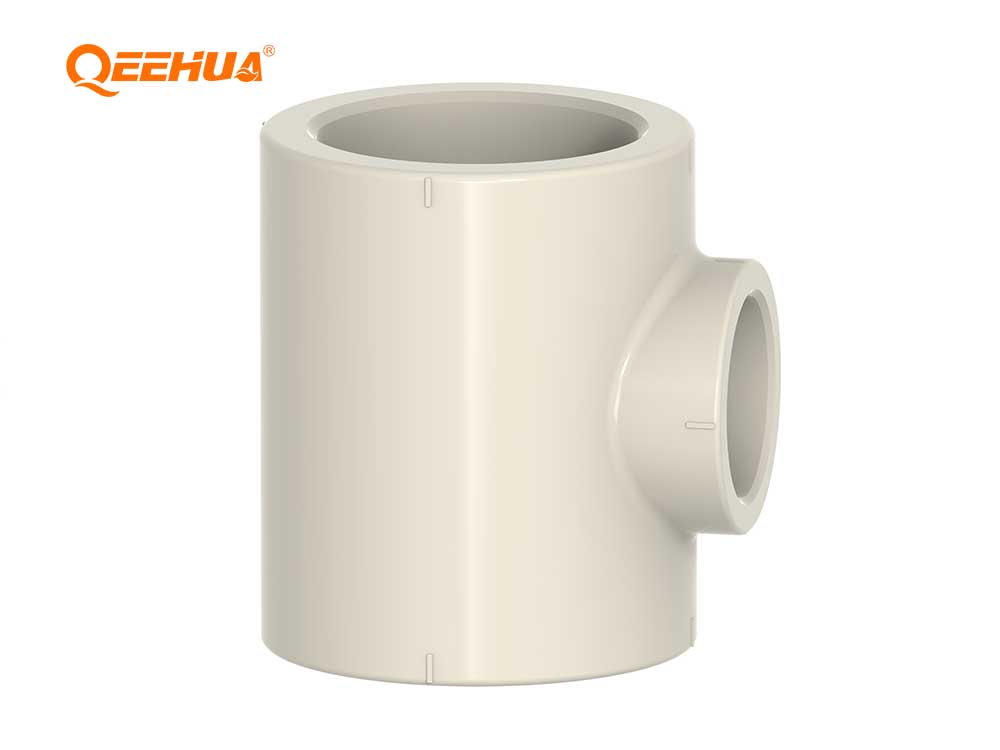
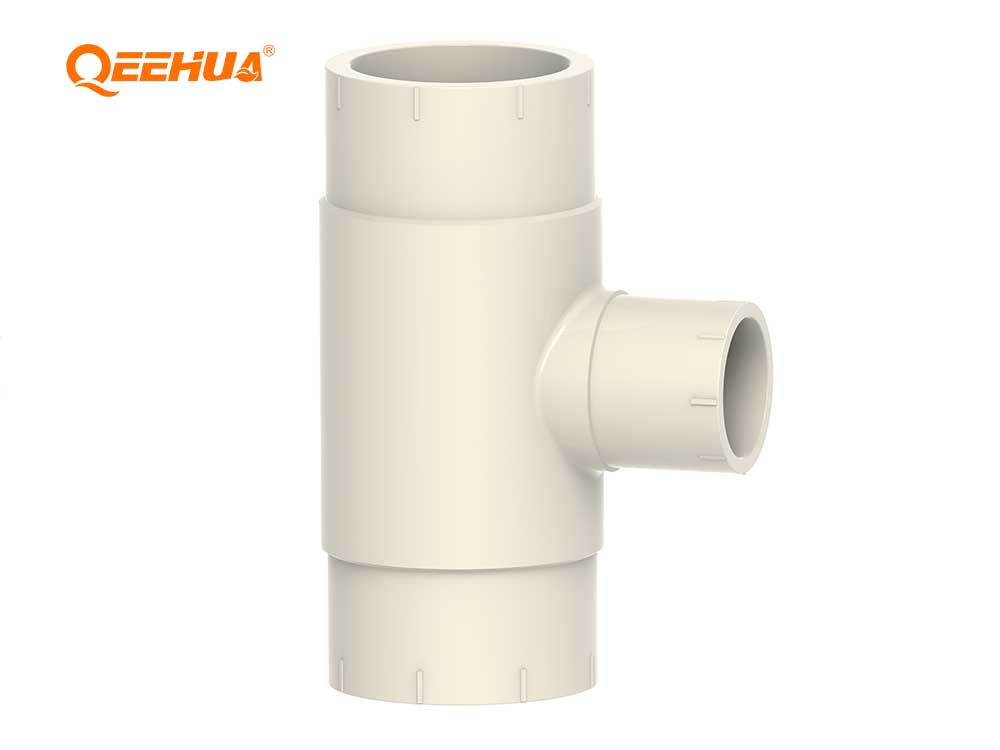
| Tee | Branch flow (3-way) | Equal or reducing |
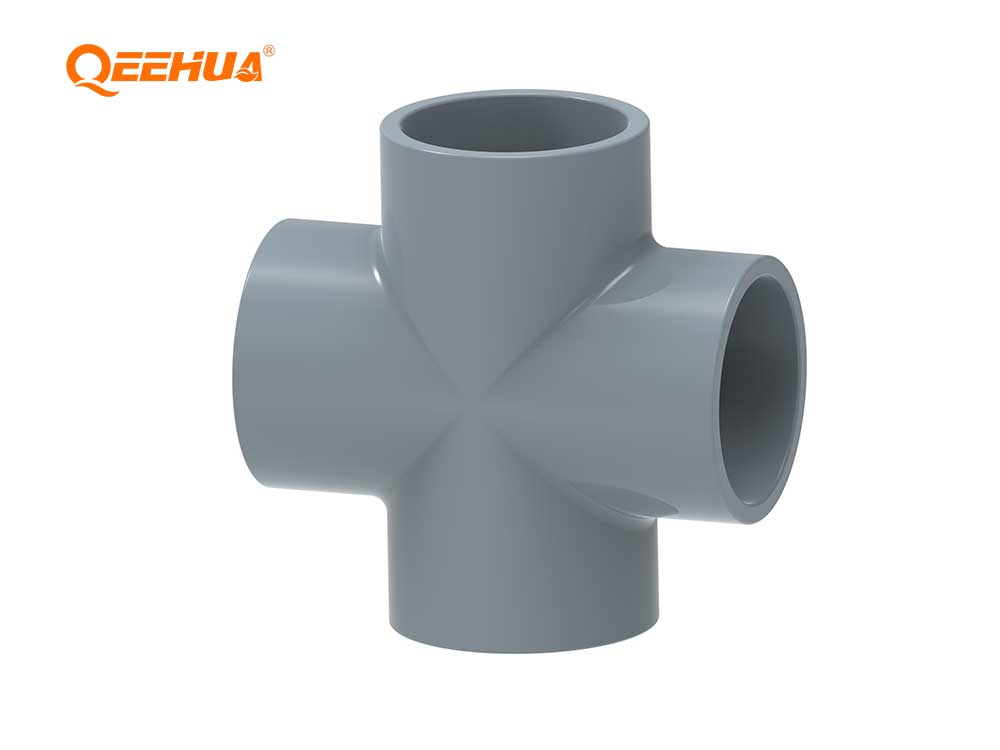
| Cross | 4-way intersection | Rare, used in manifolds |
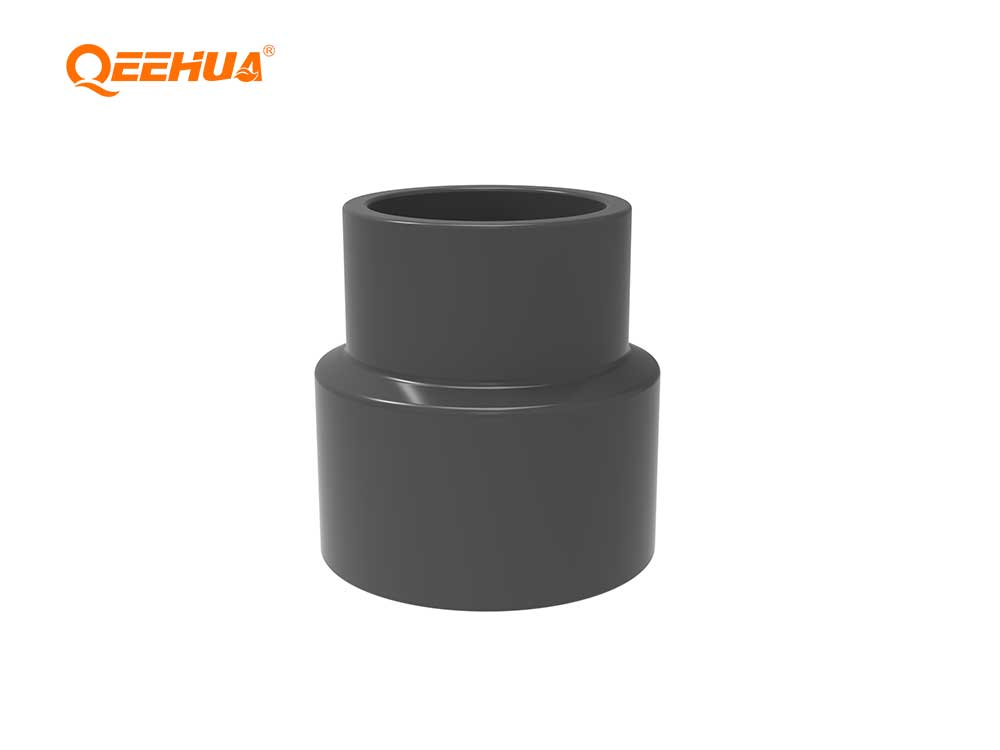
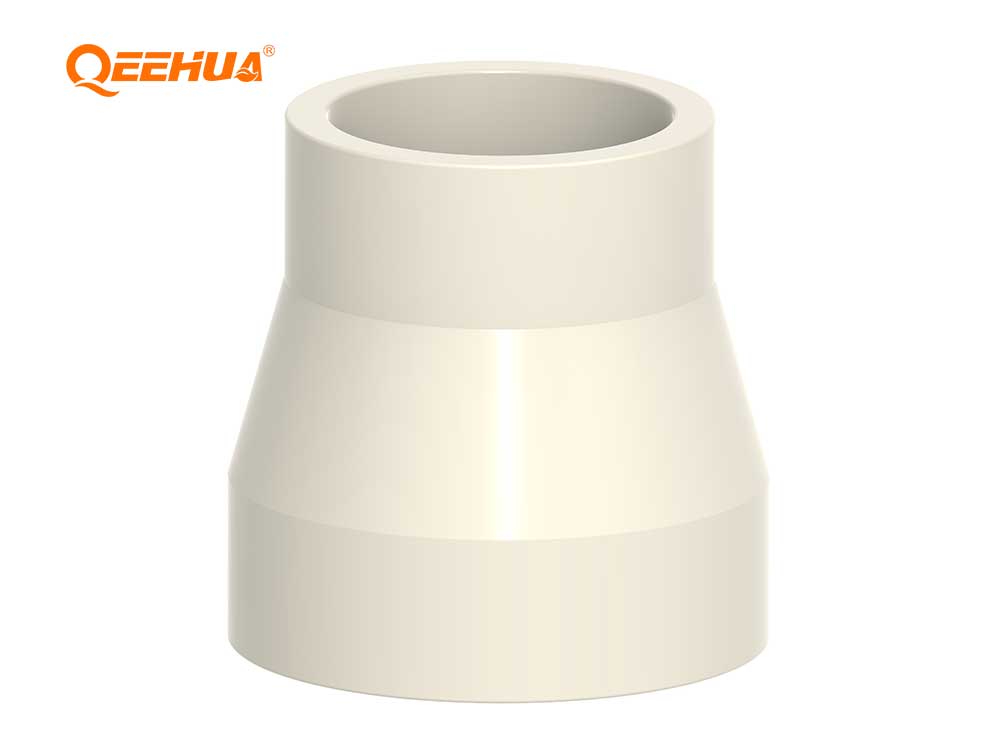
| Reducer / Bushing | Connect different diameters | Concentric or eccentric |
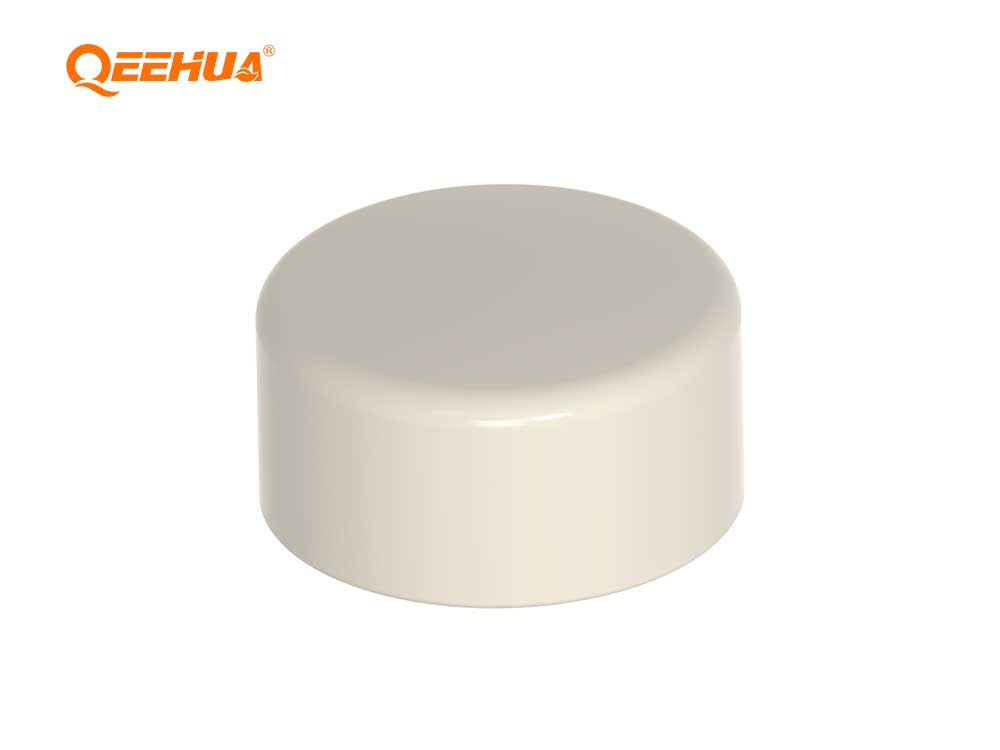
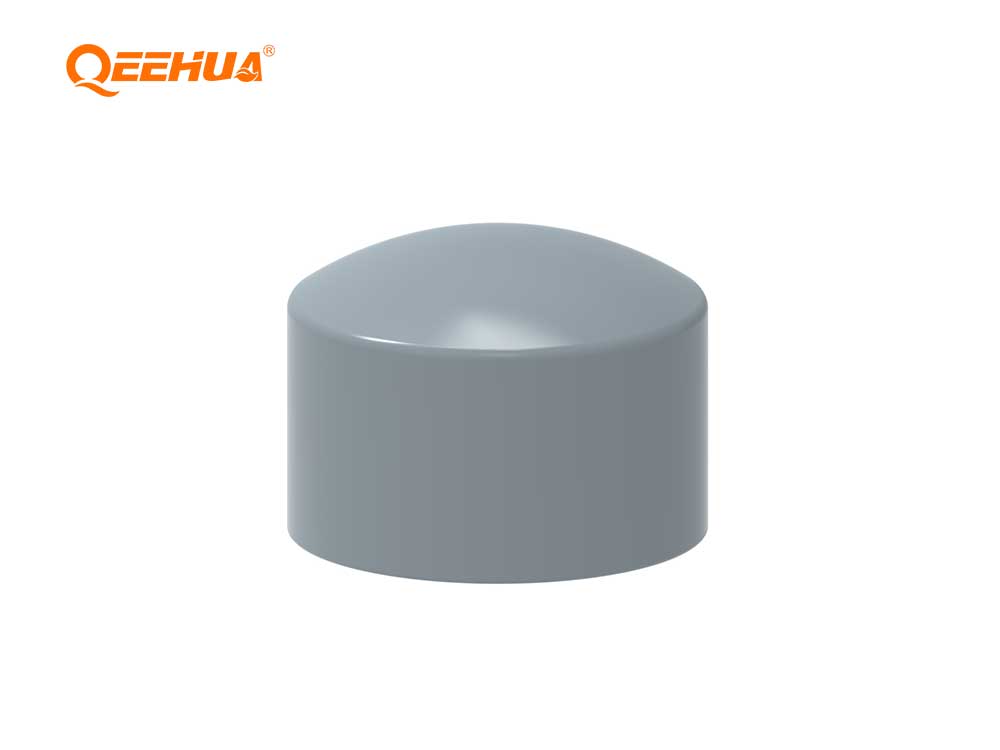
| Cap / Plug | Seal pipe ends permanently or temporarily | Threaded or slip-on |
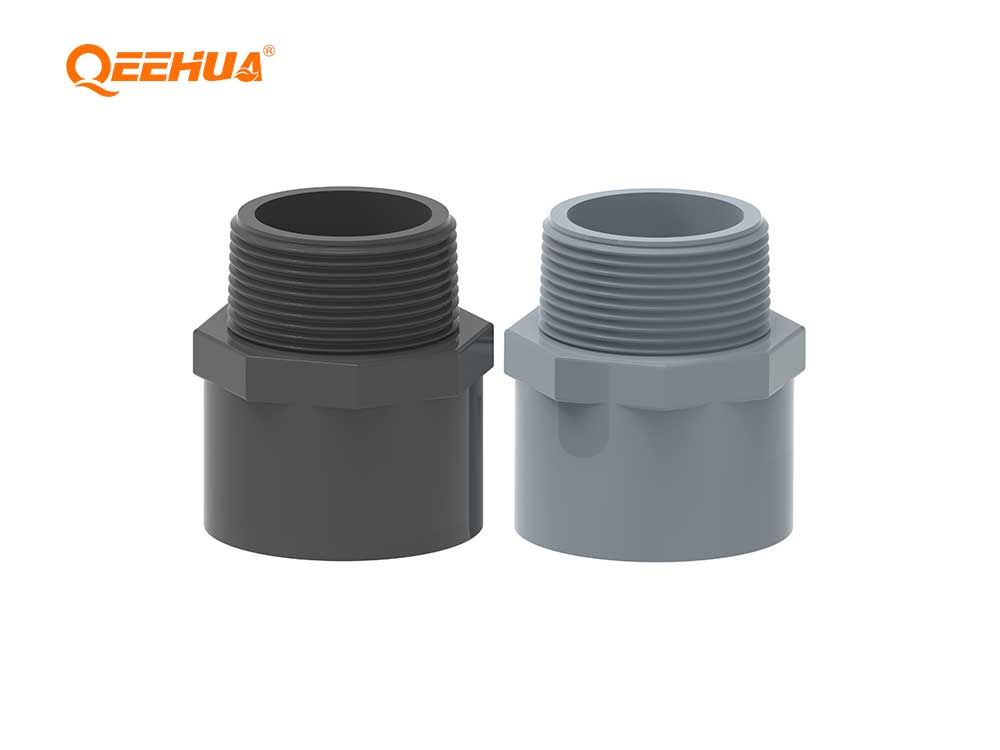
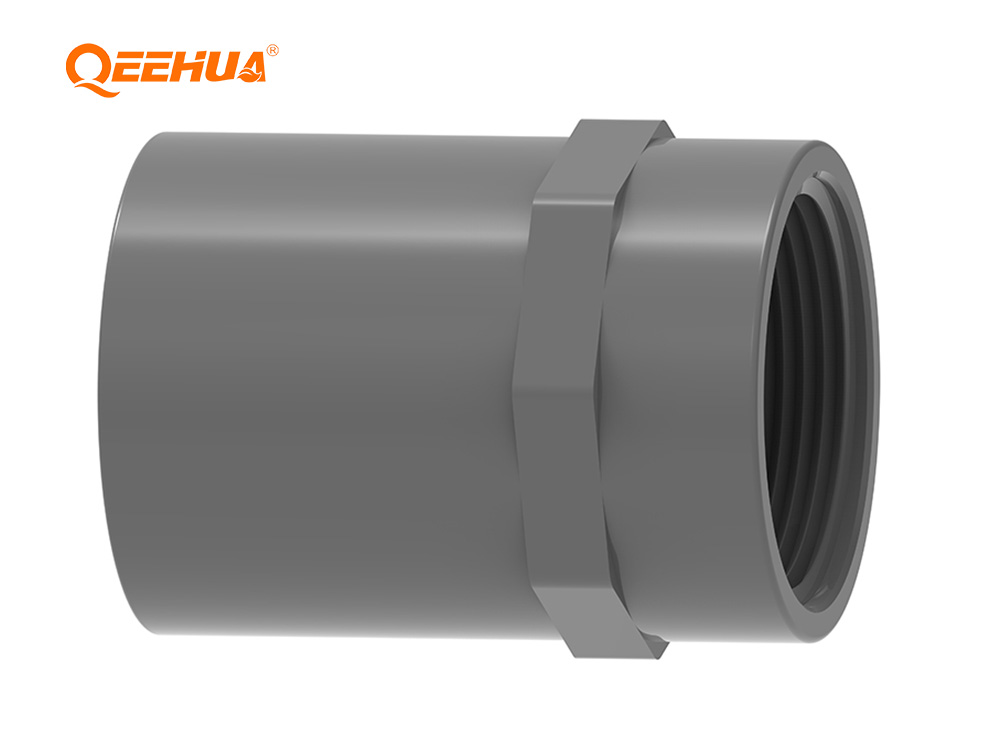
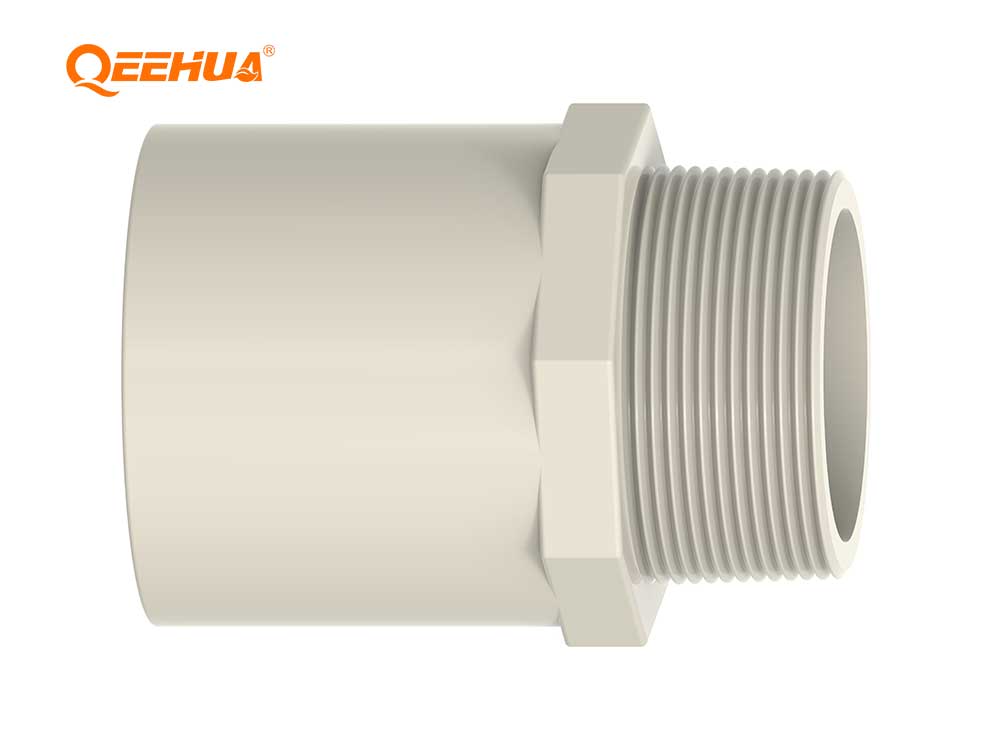
| Adapter / Nipple | Transition between plastic-metal or extend stubs | Male/Female threaded |
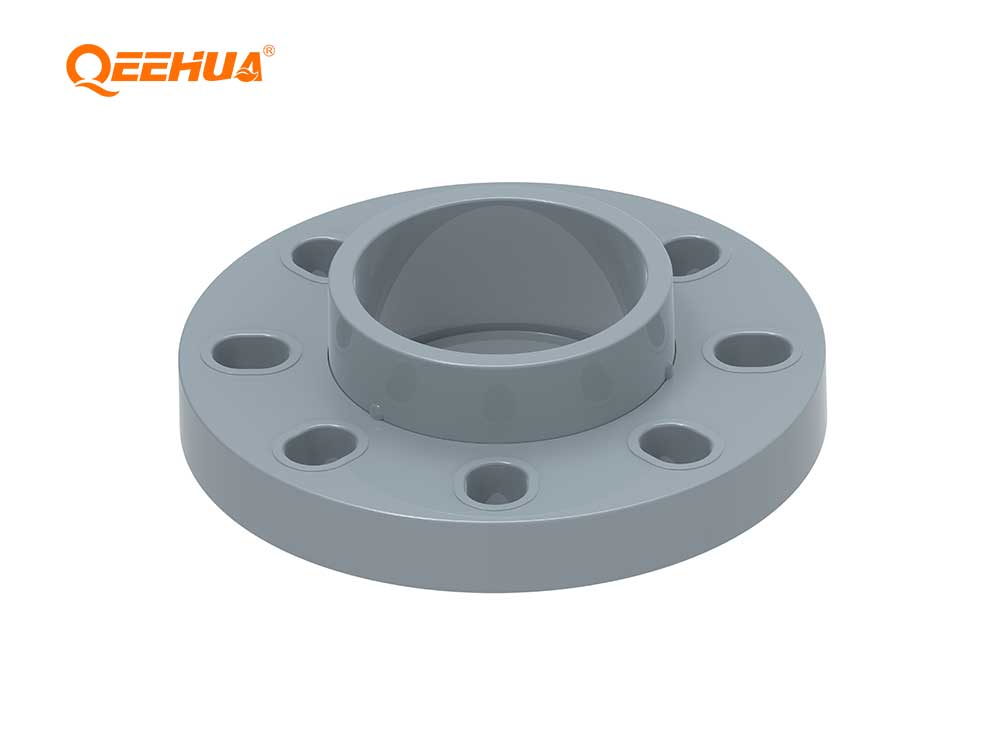
| Flange | Bolt-together connection to pumps, tanks | ANSI 150#, DIN PN10/16 |
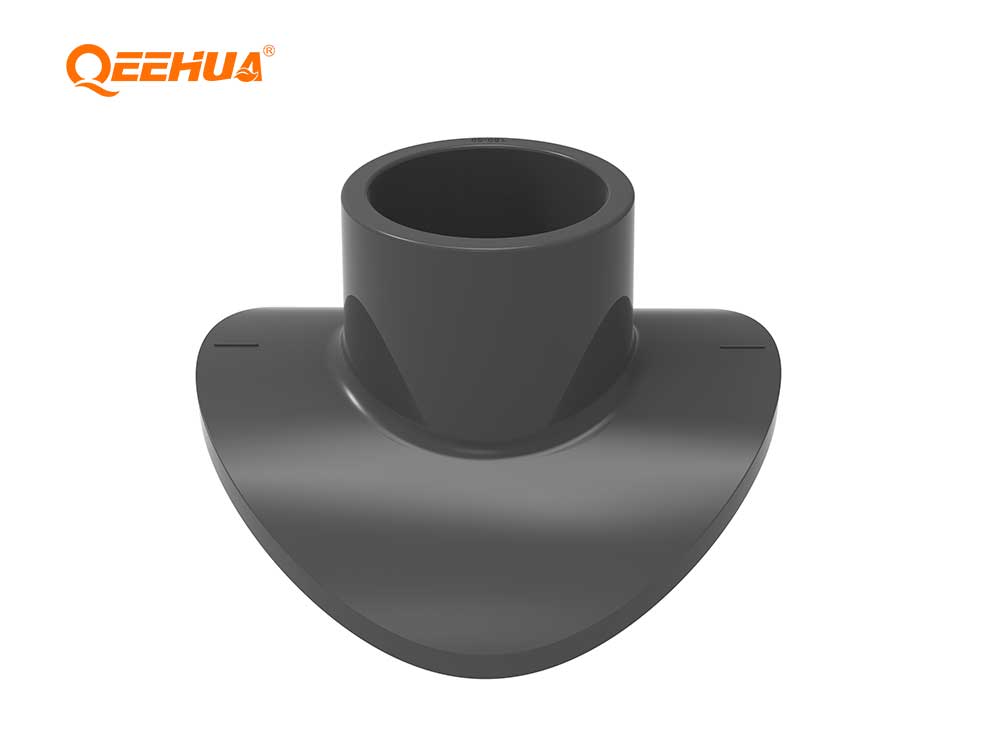
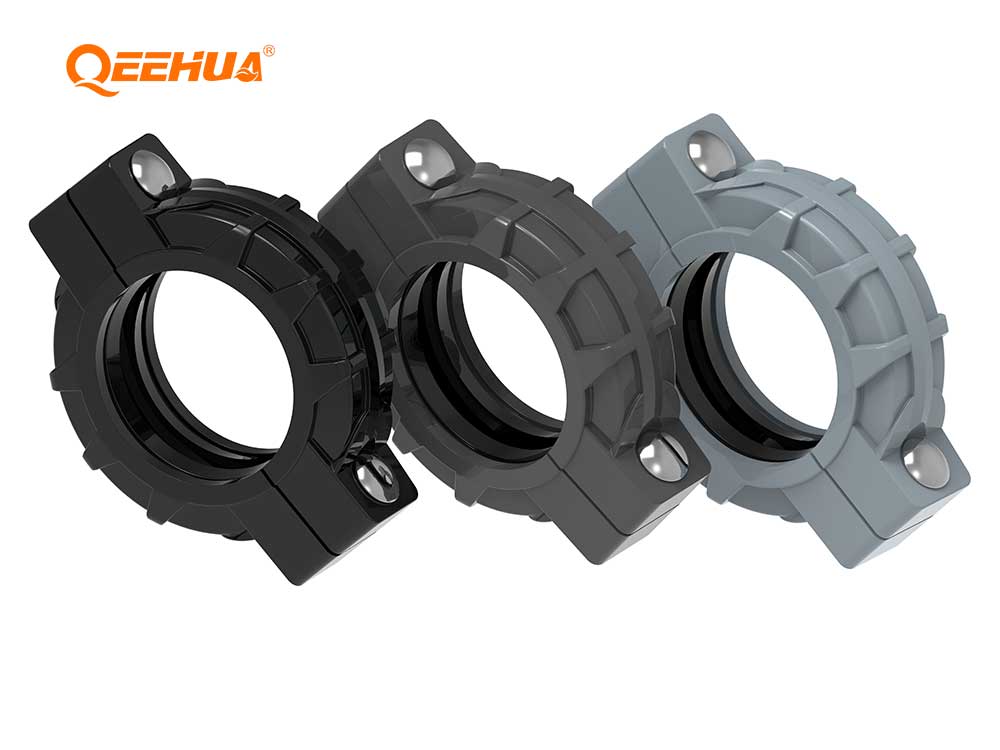
| Saddle Clamp | Add a branch without cutting the main line | DN50–DN200, 6–16 bar rated |
3. Connection Methods
| Method | Pipe OD Range | Tools Needed | Leak-Tightness |
|---|---|---|---|
| Solvent cement (PVC/CPVC) | ½”–12″ | Primer & cement | Excellent (low pressure) |
| Heat fusion (PP/PVDF) | 20 mm–315 mm | Socket welder | Excellent (high pressure) |
| Threaded | ½”–4″ | Pipe dies / taps | Good, reusable |
| Flanged | Any size | Torque wrench | Highest for critical service |
| Saddle clamp | 50 mm–315 mm | Drill & wrench | Medium, field retro-fit |