

Table of Contents
The Critical Role of the Electroplating Filter
In high-precision industries such as PCB manufacturing and surface treatment, maintaining absolute purity in your chemical baths is non-negotiable. This is where an advanced electroplating filter becomes the heart of your production line. Without reliable filtration, microscopic impurities and metal shavings can cause pinholes, uneven plating, and severe short circuits on high-frequency PCB lines.
Choosing the right electroplating filter system goes beyond just picking a micron rating. It requires a seamless integration between the filter housing and the driving force—the chemical filter pump. When these components mismatch, facilities often experience flow drop-offs, filter core deformation, and hazardous chemical leaks.
Understanding PVDF Material Specification
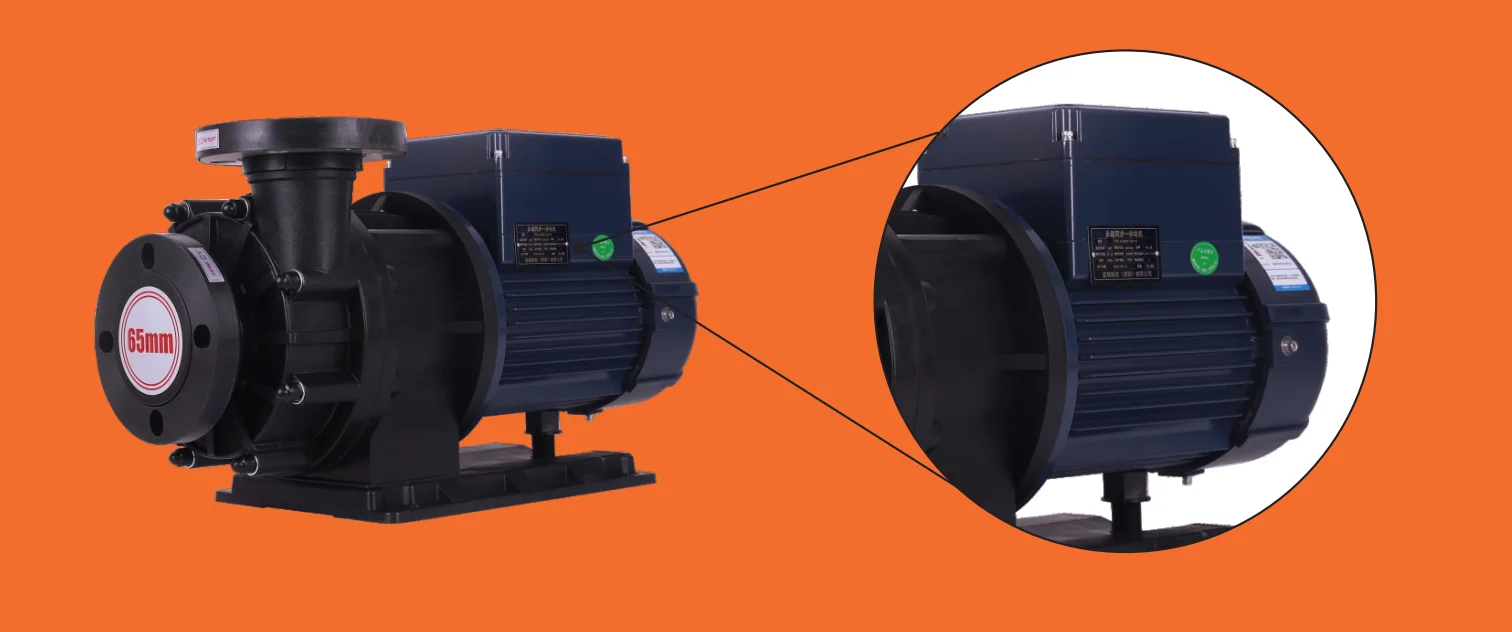
When transferring aggressive fluids like high-concentration sulfuric acid or nitric acid mixtures, standard plastics quickly degrade. This brings us to the crucial PVDF material specification (Polyvinylidene Fluoride).
According to strict industrial standards, high-grade PVDF offers exceptional thermal stability and unparalleled resistance to highly oxidizing acids, halogens, and aromatic solvents. In the context of a chemical filter pump, adopting a pure PVDF pump head ensures:
- Temperature Resilience: Safe continuous operation in fluid temperatures up to 90°C (194°F) without structural softening.
- Zero Contamination: Unlike lower-grade plastics, virgin PVDF does not leach polymer stabilizers into ultra-pure plating baths.
- Mechanical Strength: Excellent abrasion resistance, protecting the pump internal chamber from crystalline particle wear.
If you are unsure whether your current fluids require Polypropylene (PP) or Polyvinylidene Fluoride, reviewing a detailed PVDF material guide is a necessary step before procurement.
Advantages of the Self Priming Water Pump in Filtration
Many filtration setups suffer from “air locks” or completely fail to lift fluids when installed above the tank level. Integrating a self priming water pump design into your chemical filtration unit eliminates the need for manual priming and foot valves, which frequently clog with chemical residue.
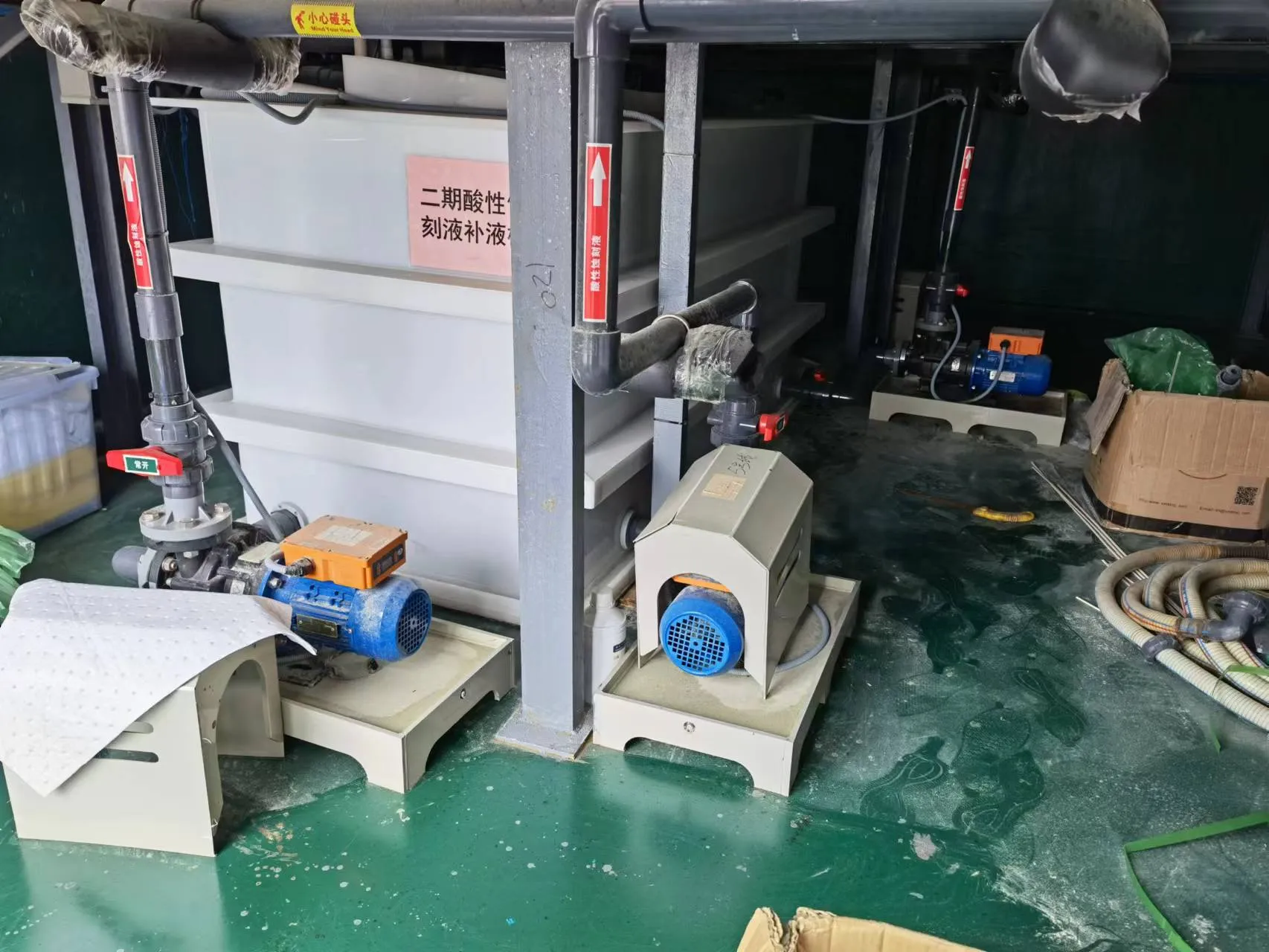
A true self-priming chemical pump utilizes an enlarged liquid storage chamber. Once initially filled, it can automatically evacuate air from the suction line, creating a vacuum that pulls the liquid upward. To learn more about how this mechanism prevents dry-running and seal failures, explore how a self-priming pump works.
Overcoming PCB Filtration Pain Points
Drawing from extensive troubleshooting data across hundreds of electroplating lines, here are common failures and how to avoid them with the right chemical filter pump setup:
- Filter Core Short-Circuiting: Often caused by deformed filter plates. Ensure your filter housing is made from high-thickness PP or PVDF to withstand operating pressures without warping. Always install cartridges vertically with even locking force.
- Flow Data Distortion: If your inline flow meters are showing erratic data, it is likely due to chemical crystallization. Ensure your piping system has adequate insulation, and consider using a blockage-resistant flow meter design.
- Air Blocking After Maintenance: A severe pain point occurs when operators change filter bags but fail to bleed the air. Always follow a strict SOP: Change filter -> Open exhaust valve fully -> Jog the pump -> Wait for continuous fluid (no bubbles) -> Close exhaust valve.
Upgrade Your Filtration System Today
Investing in a high-quality chemical filter pump paired with the correct PVDF material specification is not just a maintenance decision; it is a strategic move to guarantee product quality. By eliminating impurities and ensuring consistent, automated flow, you safeguard your most valuable asset: your production output.
