


Introduction
In the intricate world of electroplating, achieving a flawless finish is paramount. One often overlooked yet critical component in this process is the Plating Filter. These filters play a vital role in ensuring the purity of plating solutions, directly impacting the quality, consistency, and efficiency of the electroplating process.
Imagine investing time and resources into electroplating, only to end up with subpar results due to impurities in the plating bath. This is where Plating Filters come into play, acting as the unsung heroes that maintain the integrity of the plating solution. By removing contaminants, they ensure that the final product meets the highest standards of quality.
This article delves deep into the world of Plating Filters, exploring their types, functionalities, and the significant role they play in the electroplating industry. We’ll also highlight leading manufacturers like QEEHUA, who are at the forefront of producing high-quality chemical filters.
Understanding Plating Filters
What is a Plating Filter?
A Plating Filter is a device used in electroplating processes to remove impurities from the plating solution. These impurities can include suspended particles, organic matter, and metal debris, which, if left unchecked, can compromise the quality of the plated product.
Importance in Electroplating
-
Quality Assurance: By removing contaminants, Plating Filters ensure a smooth and uniform coating on the substrate.
-
Process Efficiency: Clean solutions reduce the likelihood of defects, minimizing rework and waste.
-
Extended Bath Life: Regular filtration prolongs the usability of the plating solution, leading to cost savings.
Related Troubleshooting Notes
- Electroplating filter pressure too high explains what happens when contamination loading, clogged cartridges, or pump mismatch push differential pressure out of range.
- Nickel anode slime and filter plugging is a practical example of how solids generation in the bath reaches the filter and circulation pump.
- Electroless nickel plating pump clogging shows how plate-out and crystallization create a different filtration burden from standard decorative plating lines.
Types of Plating Filters
Understanding the different types of Plating Filters is essential for selecting the right one for your specific application.
Based on Filtration Mechanism
-
Bag Filters:
-
Description: Utilize filter bags to capture contaminants.
-
Advantages: Cost-effective and easy to replace.
-
Applications: Suitable for processes requiring coarse filtration.
-
-
Cartridge Filters:
-
Description: Employ cylindrical cartridges for finer filtration.
-
Advantages: Higher filtration precision.
-
Applications: Ideal for processes demanding high purity levels.
-
-
Disc Filters:
-
Description: Consist of stacked discs providing a large surface area.
-
Advantages: Efficient for high-volume operations.
-
Applications: Common in large-scale industrial electroplating.
-
Based on Material Composition
-
Polypropylene (PP) Filters:
-
Features: Resistant to a wide range of chemicals.
-
Advantages: Lightweight and corrosion-resistant.
-
Applications: General-purpose electroplating.
-
-
Polyvinylidene Fluoride (PVDF) Filters:
-
Features: High chemical resistance and thermal stability.
-
Advantages: Suitable for aggressive chemical environments.
-
Applications: Specialized electroplating processes.
-
-
Stainless Steel Filters:
-
Features: Durable and withstands high pressures.
-
Advantages: Long service life.
-
Applications: Heavy-duty industrial applications.
-
Key Parameters in Selecting Plating Filters
When choosing a Plating Filter, consider the following parameters:
-
Flow Rate: Ensure the filter can handle the required volume of plating solution.
-
Filtration Precision: Match the filter’s micron rating to the level of purity needed.
-
Chemical Compatibility: Select materials that can withstand the specific chemicals used in your process.
-
Temperature Resistance: Ensure the filter can operate effectively at the process temperature.
Applications of Plating Filters
Plating Filters are integral to various electroplating processes, including:
-
Nickel Plating: Ensures a smooth and bright finish.
-
Chrome Plating: Removes trivalent chromium and other impurities.
-
Zinc Plating: Prevents the formation of rough or dull coatings.
-
Gold and Silver Plating: Maintains the purity of precious metal solutions.
Common Issues and Maintenance
Common Issues:
-
Clogging: Accumulation of contaminants can reduce flow rates.
-
Chemical Degradation: Incompatible materials may degrade over time.
-
Mechanical Wear: Moving parts may wear out, leading to leaks or reduced efficiency.
Maintenance Tips:
-
Regular Inspection: Check filters periodically for signs of wear or clogging.
-
Scheduled Replacement: Replace filter elements as per manufacturer recommendations.
-
Proper Storage: Store spare filters in a clean, dry environment to prevent contamination.
QEEHUA: A Professional Leader in Chemical Fluid Equipment
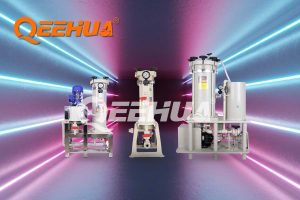
Choosing the Right Plating Filter Manufacturer
Selecting a reputable manufacturer ensures the reliability and efficiency of your Plating Filters.
QEEHUA: A Leading Name in Chemical Filters
QEEHUA stands out as a top-rated manufacturer specializing in chemical filters and pumps. Their products are known for:
-
High Quality: Adherence to international standards like ISO9001 and CE.
-
Innovation: Continuous R&D leading to advanced filtration solutions.
-
Global Reach: Serving clients in over 40 countries.
For more information on QEEHUA’s offerings, visit their official website: QEEHUA Chemical Plating Filter
FAQs
What is the primary function of a Plating Filter?
A Plating Filter removes impurities from the plating solution, ensuring a high-quality finish on the plated product.
How often should Plating Filters be replaced?
The replacement frequency depends on the plating process and contamination levels. Regular monitoring is essential.
Can I use the same filter for different plating solutions?
It’s advisable to use filters compatible with the specific chemicals in each plating solution to prevent degradation.
What materials are best for filters in aggressive chemical environments?
PVDF and stainless steel are suitable for harsh chemical conditions due to their high resistance.
How does filtration precision affect plating quality?
Higher filtration precision removes finer particles, leading to smoother and more uniform coatings.
Are there energy-efficient Plating Filters available?
Yes, modern filters are designed for energy efficiency, reducing operational costs.
Conclusion
Plating Filters are indispensable in the electroplating industry, directly influencing the quality and efficiency of the plating process. By understanding the different types, applications, and maintenance practices, businesses can make informed decisions to optimize their operations.
Manufacturers like QEEHUA are leading the way in providing high-quality, innovative filtration solutions that meet the evolving needs of the industry. Investing in the right Plating Filter not only enhances product quality but also contributes to cost savings and environmental sustainability.


