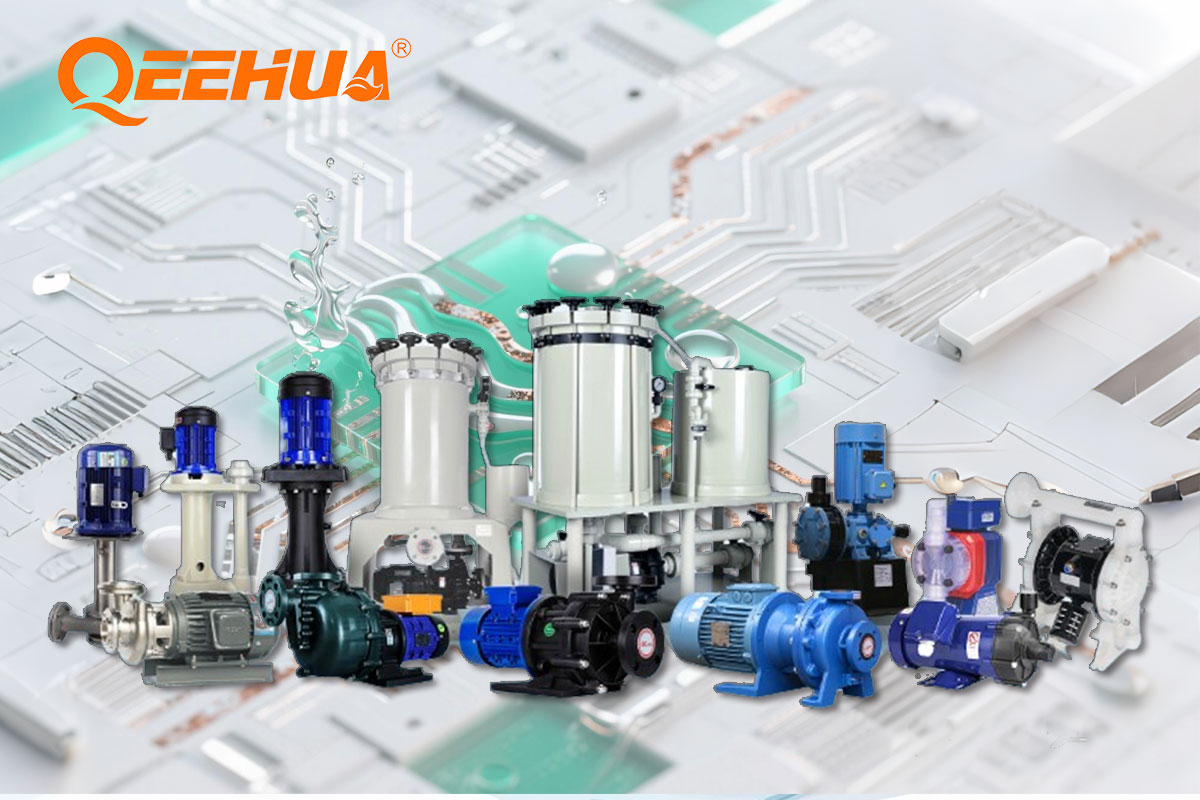
In the realms of electronics manufacturing, PCB fabrication, electroplating, and chemical processing, even the slightest impurity can catastrophically impact product quality. This is especially true in the Plated Through Hole (PTH) process, where the chemical deposition of copper not only determines the conductivity of the entire board but also affects the stability and longevity of electronic components. Within this context, the role of precision filters often dictates the success or failure of the process.
Understanding the PTH Process and Its Challenges
The PTH process involves chemically depositing a thin layer of copper onto the walls of drilled holes in a PCB, creating electrical connections between layers. This autocatalytic reaction demands an exceptionally pure chemical solution. Contaminants such as particulate matter can lead to defects like “no copper in holes,” rough hole walls, or even blackened board surfaces, compromising the board’s functionality and reliability.
The Integral Role of Precision Filters
1. Impurity Filtration for Uniform Plating
During the electroless copper plating stage, inadequate filtration can result in uneven copper deposition, leading to rough or blocked holes. High-precision filters, such as those utilizing 1-micron melt-blown cartridges, effectively remove microscopic particles, ensuring a smooth and uniform copper layer.
2. Enhancing Chemical Solution Stability and Longevity
Chemical solutions used in PTH are costly, and frequent replacements can be economically burdensome. Efficient precision filters maintain the purity of these solutions over extended periods, reducing the need for frequent changes and thereby lowering operational costs.
3. Material Compatibility in Corrosive Environments
PTH processes often involve corrosive substances like sulfuric acid, hydrochloric acid, and sodium hydroxide. Filters must be constructed from materials that can withstand such harsh environments. For instance, QEEHUA’s chemical filters are made from high-performance polymers like PP and PVDF, offering excellent resistance to acids and alkalis, ensuring long-term stability and performance.
4. Balancing Filtration Precision and Efficiency
Continuous PTH production lines require filters that offer both high precision and efficiency. While traditional bag filters may be cost-effective, they often fall short in precision. QEEHUA’s precision filters are designed to handle large volumes swiftly while maintaining consistent filtration quality, making them ideal for electronic-grade manufacturing.
Addressing Common PTH Defects with Precision Filtration
| Defect | Potential Cause | Relevance to Filtration | Role of Precision Filter |
|---|---|---|---|
| No copper in holes | Inadequate activation, degraded accelerators, low temperature | Indirect | Removes particles that may block holes or reduce reaction efficiency |
| Rough hole walls | Impurities in the copper bath, uneven copper deposition | Direct | Continuously purifies the solution, preventing particle adhesion to hole walls |
| Blackened board surface | Excessive NaOH concentration, uneven reactions | Partial | Helps maintain a stable and clean reaction environment |
| Cloudy acid bath | Excessive impurities | Direct | Filters out contaminants, keeping the solution clear |
These seemingly minor aspects significantly influence the smooth and efficient operation of a PTH production line. Consequently, an increasing number of manufacturers are turning to reputable chemical filter manufacturers to procure high-quality, suitable filtration equipment, moving away from substandard alternatives.
QEEHUA: A Professional Leader in Chemical Fluid Equipment

Why Choose QEEHUA as Your Filtration Equipment Partner?
As a leading manufacturer of chemical pumps and filtration systems in China, QEEHUA boasts over 20 years of industry experience, holding certifications such as ISO9001, CE, and SGS. With a global team of pre-sales and after-sales engineers, QEEHUA offers filtration equipment specifically optimized for PTH electroplating processes:
-
High-Precision Filter Systems: Achieving filtration levels between 0.5 to 5 microns, meeting electronic manufacturing standards.
-
Corrosion-Resistant Materials: Utilizing materials like PP and PVDF, suitable for strong acid and alkali environments.
-
Quick-Change Design: Facilitating easy maintenance and enhancing the sustainability of the filtration system.
-
Wide Application Range: Serving industries from electroplating and PCB manufacturing to semiconductors, chemicals, environmental protection, and energy sectors.
Furthermore, QEEHUA continuously develops patented integrated filtration systems, such as combined magnetic pump and filter units, enabling coordinated operation between pumps and filters, significantly reducing pipeline losses and liquid backflow contamination.
Conclusion: Filtration—The Unsung Hero of Quality Assurance
While many focus on chemical ratios and temperature control to enhance PTH quality, years of practical experience have shown that a robust filtration system is the cornerstone of process stability. Just as a highway must be free of debris to ensure smooth travel, the PTH process demands an immaculate chemical environment.
Whether you’re upgrading your production line or laying the foundation for high-end electronic products, selecting the appropriate precision filter is crucial. By fundamentally controlling impurities, you can confidently tackle challenges in the PTH process and produce high-quality, consistent electronic products.
Choosing the right chemical filter manufacturer is not merely a procurement decision but an investment in your product’s future quality. With its strong technical background and customization capabilities, QEEHUA is poised to be your long-term, reliable partner.