

Table of Contents
Introduction to System Optimization
In the high-stakes environment of chemical processing and PCB manufacturing, the efficiency of your fluid handling system is paramount. Many facility managers focus heavily on the initial selection of hardware, yet the long-term operational success depends almost entirely on rigorous maintenance and system optimization strategies. Whether you are managing complex electroplating lines or large-scale waste treatment facilities, maximizing the longevity of your equipment is key to reducing operational expenditures.
Optimizing chemical transfer isn’t just about moving liquids from point A to point B; it is about ensuring that every component—from the piping to the chemical pumps—operates in harmony. In this article, we explore the industry-proven techniques to maintain system integrity and improve throughput.
Critical Installation Standards
The foundation of a reliable system is laid long before the power is switched on. Based on extensive field observations in the electroplating and PCB industries, improper installation is the leading cause of premature failure.
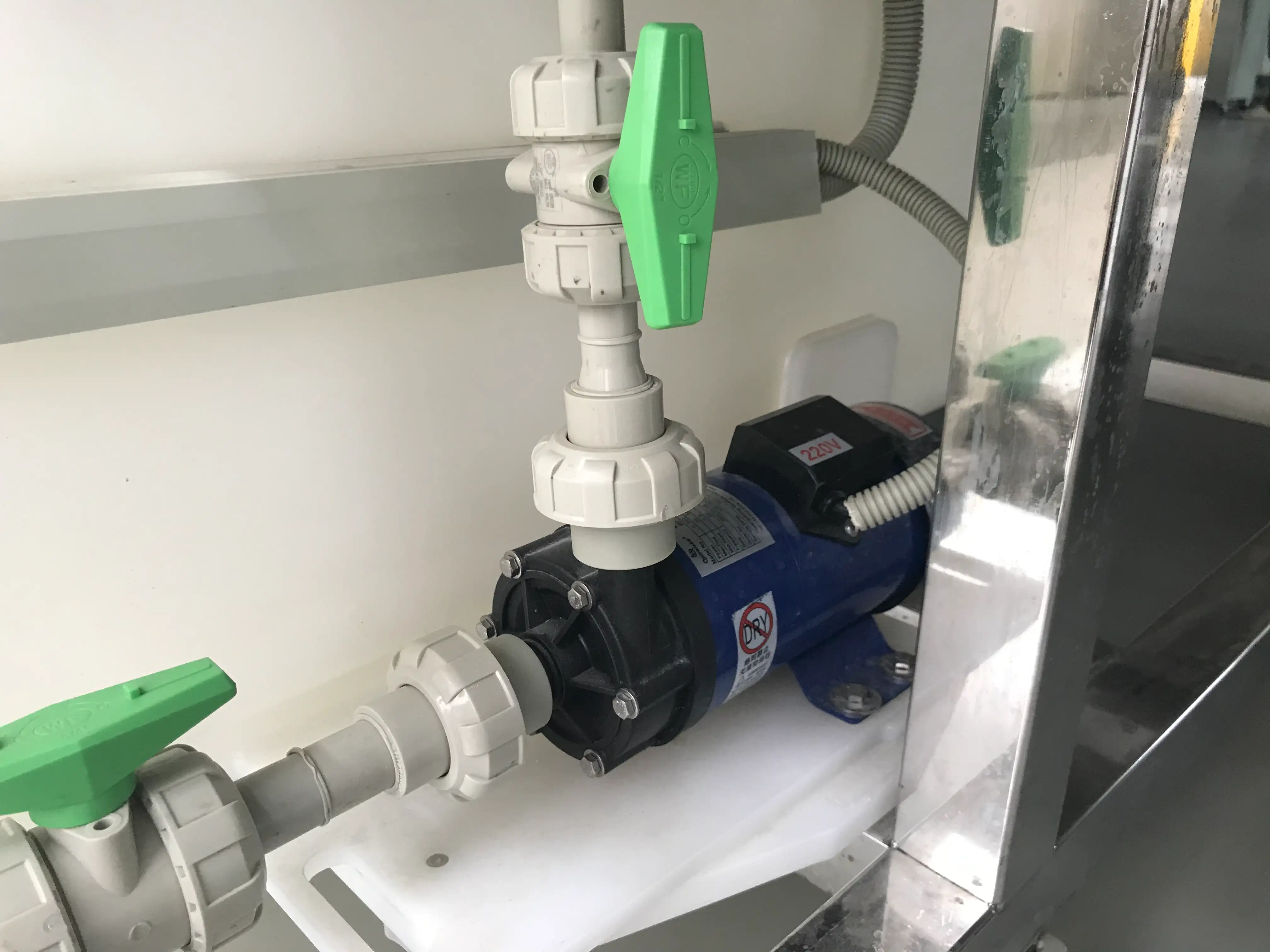
When installing chemical transfer equipment, consider the following technical prerequisites:
- Foundation Integrity: Ensure that the pump foundation is cast with a high-strength, acid-resistant epoxy resin layer. If the foundation shifts due to corrosion, the mechanical alignment of the drive system will be compromised, leading to vibration and seal failure.
- Structural Alignment: For systems requiring high precision, such as those used in fine-line PCB manufacturing, the coaxiality of the coupling must be strictly calibrated—ideally within 0.03mm. Even minor deviations can create micro-particles that contaminate cleanroom environments.
- Piping Dynamics: Avoid the common mistake of using suction pipe diameters smaller than the pump inlet. This creates a restriction that leads to cavitation. Always utilize eccentric, gradually expanding pipes to prevent air accumulation at the inlet, which is vital for maintaining consistent chemical flow.
Preventive Maintenance Schedules
Reactive maintenance is a recipe for unplanned downtime. Establishing a structured preventive maintenance routine is essential for plants operating 24/7. Your maintenance team should adopt a tiered approach to inspections.
Daily Inspections
Daily checks should be brief but comprehensive. Listen for abnormal sounds or vibrations that indicate internal component wear. Monitor the status of peripheral devices such as pressure gauges and flow meters. If a system shows unexpected spikes or drops, it may indicate a blockage or crystallization within the lines, a common issue when handling aggressive chemicals.
Monthly and Quarterly Protocols
On a monthly basis, perform a full audit of all soft connections. These are high-wear components that often suffer from aging and cracking, leading to hazardous leaks. Replace them every 90 days as a standard practice, rather than waiting for visible damage. Additionally, cleaning magnetic filters is critical; if iron filings or debris saturate the filter, the resulting turbulence can cause uneven chemical concentration in your plating baths.
Solving Common Operational Pain Points
Even with the best installation, challenges arise. Understanding the “symptoms” of your system is the first step toward a cure.
Addressing Air Locks: A frequent issue in vertical submersion systems is air lock, often caused by improper submersion depth or lack of venting. Always ensure the pump is submerged at least 200mm below the liquid surface. If the system continues to struggle with air accumulation, a specialized anti-vortex baffle should be installed.
Dealing with Crystallization: In processes involving saturation, crystallization is inevitable. To combat this, ensure your piping system includes proper insulation or heating elements. If you notice data distortion in your digital flow control systems, it is likely that the sensor is being fouled by crystals. Regular flushing with compatible solvents is necessary to maintain accuracy.
Managing Tooling: Never use standard carbon steel tools for maintenance in chemical zones. The smallest amount of rust, transferred from a wrench to the equipment or into the chemical bath, can lead to severe batch contamination. Always use dedicated, corrosion-resistant stainless steel or plastic-coated tools, and store them in a controlled, dry environment.
Integrated Fluid Handling Systems
The concept of a complete production lineup has revolutionized industrial procurement. Rather than sourcing components from dozens of different vendors—where compatibility issues often lead to system-wide failures—it is more efficient to work with a provider who offers a holistic system approach.
A well-integrated system includes not just the primary transfer units, but also essential auxiliaries:
- Valves: Using electric or pneumatic ball and butterfly valves allows for centralized PLC control, reducing the likelihood of manual operator error—a major cause of batch wastage.
- Flow Meters: Electromagnetic meters provide the precision required for automated dosing, while rotameters offer reliable on-site visual confirmation.
- Pressure Monitoring: Digital pressure gauges provide real-time feedback on system health. A sudden pressure drop is often the first indicator of a downstream leak or a clogged filter.
Conclusion and Expert Support
Maintaining a high-performance chemical transfer environment requires a blend of rigorous installation standards, proactive maintenance, and the integration of quality components. By focusing on these pillars, you can ensure that your facility operates at peak efficiency with minimal downtime.
If you are experiencing recurring technical issues or are looking to expand your supply chain options, working with an established partner makes all the difference. If you want to optimize your system overhead or explore global commercial agreements, consider learning how to become a qeehua pump distributor to access premium hardware and dedicated technical support teams today.
