Introduction: The Lithium Boom and Its Challenges
As the global shift towards renewable energy accelerates, lithium-ion batteries have become the cornerstone of energy storage and electric mobility. From powering electric vehicles to storing solar and wind energy, lithium is integral to modern life. With the lithium battery market projected to surpass $189.4 billion by 2032, the demand for efficient and sustainable lithium extraction methods is more pressing than ever. Traditional extraction techniques, however, often involve high energy consumption and environmental concerns. Innovations in chemical pump technology are emerging as pivotal solutions to these challenges.
Three Primary Lithium Extraction Methods and the Role of Chemical Pumps
1. Brine Extraction: Harnessing Nature with Pump Technology
Approximately 70% of global lithium reserves are found in brine deposits, particularly in South America’s salt flats. The extraction process involves pumping lithium-rich brine to the surface and channeling it into evaporation ponds. Over time, sunlight and wind evaporate the water, leaving behind concentrated lithium salts. Chemical-duty, air-operated double-diaphragm (AODD) pumps are essential in this process, offering the ability to handle corrosive fluids and operate without electricity, thus reducing energy costs and maintenance needs.
2. Hard Rock Mining: Mechanical Precision Meets Fluid Dynamics
In regions like Australia and Chile, lithium is extracted from hard rock sources such as spodumene. The process involves crushing the ore, followed by chemical treatments to isolate lithium compounds. Throughout these stages, centrifugal and magnetic drive pumps are crucial for transporting slurries and chemical solutions, ensuring precise flow rates and minimizing leakage risks.
3. Lithium Battery Recycling: Closing the Loop with Advanced Pumping Solutions
As the number of end-of-life lithium-ion batteries increases, recycling has become a vital source of lithium. The recycling process involves shredding batteries and leaching valuable metals using acidic or alkaline solutions. High-precision magnetic drive pumps are employed to handle these corrosive leachates, facilitating the efficient separation of lithium, cobalt, and nickel, and contributing to a circular economy.
Innovations in Pump Technology: Driving Efficiency and Sustainability
Air-Operated Double-Diaphragm (AODD) Pumps: The Workhorses of Brine Extraction
AODD pumps are favored in brine extraction due to their seal-less design and ability to handle high-viscosity fluids. Their self-priming capabilities and resistance to corrosion make them ideal for transporting lithium-rich brines over long distances without the need for electricity.
Magnetic Drive Pumps: Ensuring Safety in Chemical Processing
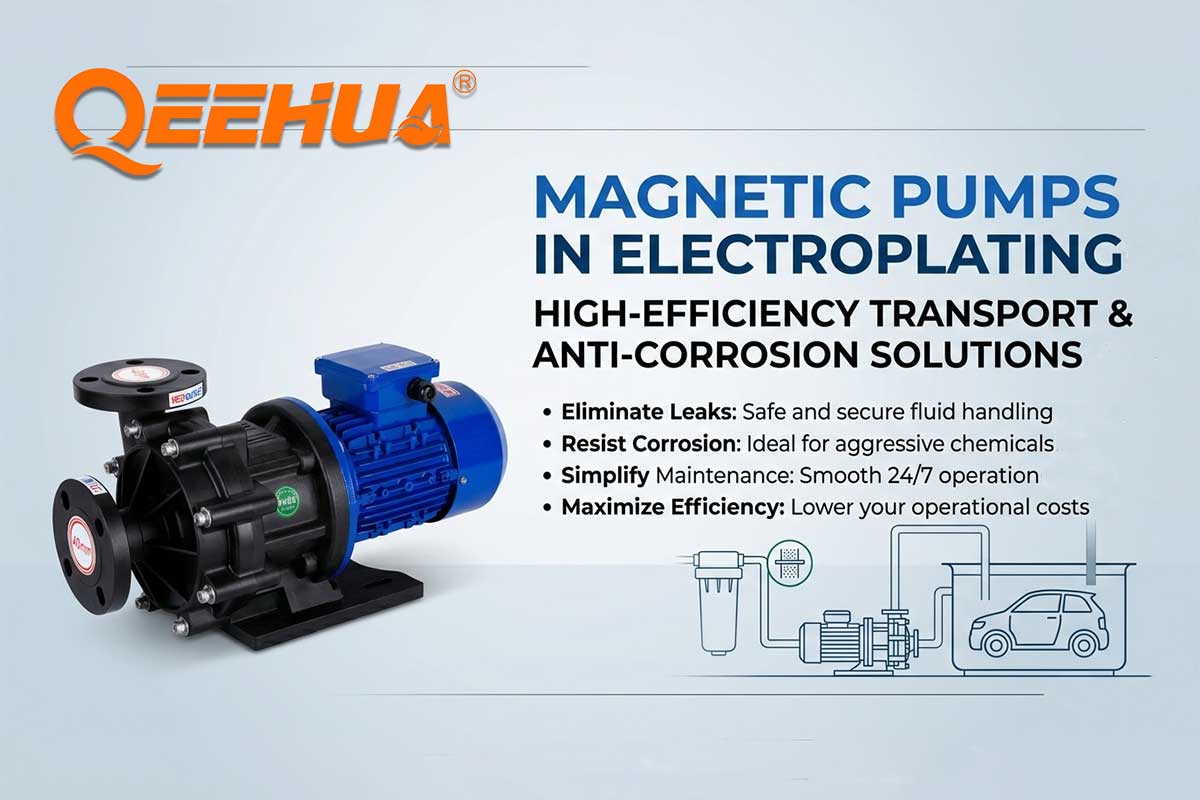
Magnetic drive pumps eliminate the need for mechanical seals, reducing the risk of leaks when handling hazardous chemicals. Their design ensures safe and efficient transfer of corrosive fluids, making them indispensable in both hard rock mining and battery recycling processes.
Material Selection: Matching Pump Materials to Process Demands
The choice of pump materials is critical in lithium extraction. For instance, engineering plastics like polypropylene (PP) and polyvinylidene fluoride (PVDF) offer excellent resistance to corrosive chemicals, while stainless steel and titanium alloys provide durability in abrasive environments. Selecting the appropriate materials ensures longevity and reliability of pump systems.
Challenges and Opportunities: Navigating the Lithium Extraction Landscape
Environmental Concerns: Reducing Ecological Footprints
Traditional lithium extraction methods can lead to significant water usage and environmental degradation. Innovative pump technologies that offer energy efficiency and leak prevention are essential in mitigating these impacts and promoting sustainable practices.
Economic Factors: Balancing Costs and Market Dynamics
The cost of lithium extraction is influenced by the efficiency and maintenance requirements of pump systems. Investing in high-quality, durable pumps can lead to long-term savings and stability in the volatile lithium market.
QEEHUA: A Professional Leader in Chemical Fluid Equipment

QEEHUA: Setting New Standards in Chemical Pump Manufacturing
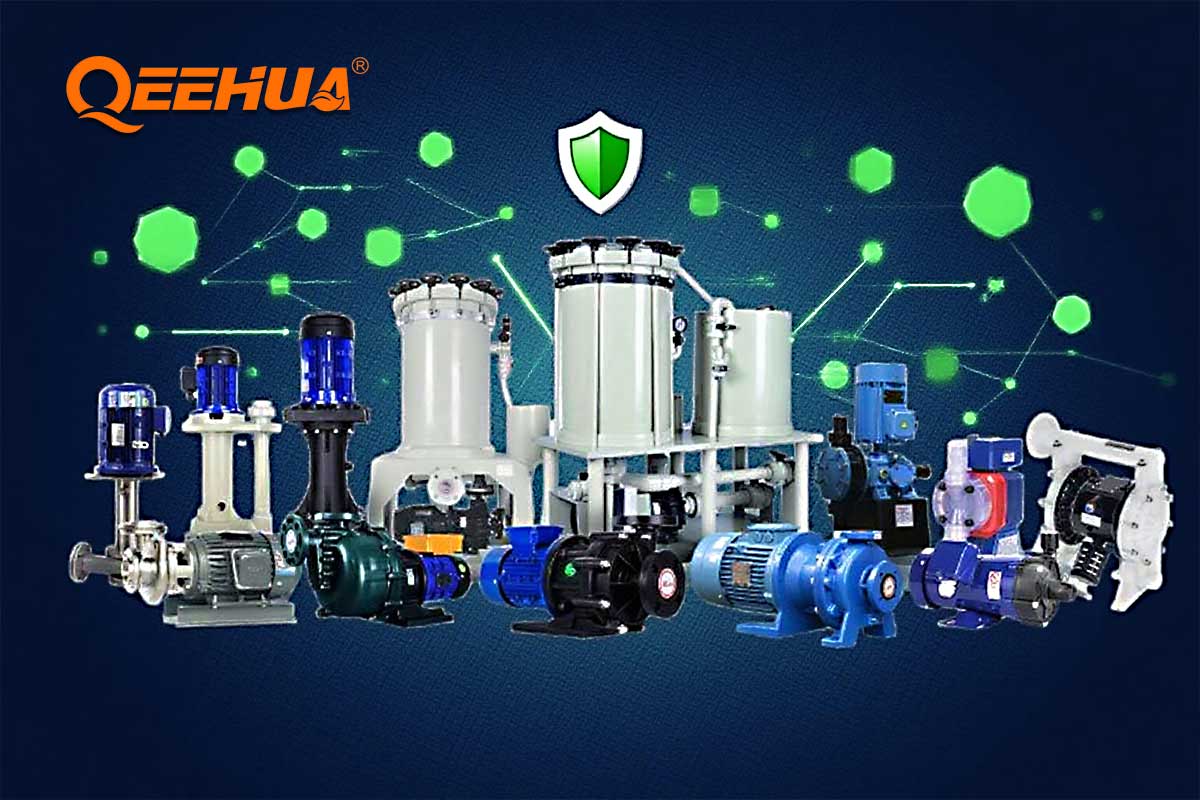
QEEHUA, a leading Chinese chemical pump manufacturer, specializes in magnetic pumps, vertical pumps, centrifugal pumps, and chemical filtration equipment. With an annual production capacity of 100,000 pumps, QEEHUA serves various industries, including semiconductors, photovoltaics, wastewater treatment, and the new energy sector. Their commitment to quality is evidenced by ISO9001 certification and a focus on innovative design.
Conclusion: Empowering the Future with Advanced Pump Technologies
Chemical pumps play a pivotal role in the efficient and sustainable extraction of lithium, a critical component in the global transition to renewable energy. As demand for lithium continues to rise, advancements in pump technology will be instrumental in meeting environmental and economic challenges. Companies like QEEHUA are at the forefront of this transformation, providing reliable and innovative solutions that drive progress in the new energy era.