Introduction
In the intricate world of industrial fluid handling, the importance of reliable and efficient chemical pumps cannot be overstated. Whether it’s in wastewater treatment plants, chemical manufacturing, or electroplating industries, the right pump ensures safety, efficiency, and cost-effectiveness. Among the myriad of options available, magnetic pumps, plastic centrifugal pumps, and stainless steel centrifugal pumps stand out for their unique advantages.
Imagine a scenario where a wastewater treatment facility is grappling with corrosive fluids that are damaging their existing pumps, leading to frequent downtimes and escalating maintenance costs. Switching to a magnetic pump, known for its seal-less design and resistance to leaks, could be the game-changer they need. Similarly, industries dealing with aggressive chemicals might find solace in plastic centrifugal pumps, which offer excellent corrosion resistance at a more affordable price point.
In this comprehensive guide, we’ll delve deep into the world of chemical pumps, exploring their types, applications, pricing, and how to select the right manufacturer. Whether you’re an industry veteran or new to the field, this article aims to provide valuable insights to aid your decision-making process.
Understanding Chemical Pumps
Chemical pumps are specialized devices designed to handle aggressive, corrosive, or hazardous fluids. Their construction materials and design features are tailored to withstand the challenges posed by such fluids, ensuring longevity and safety.
Types of Chemical Pumps
-
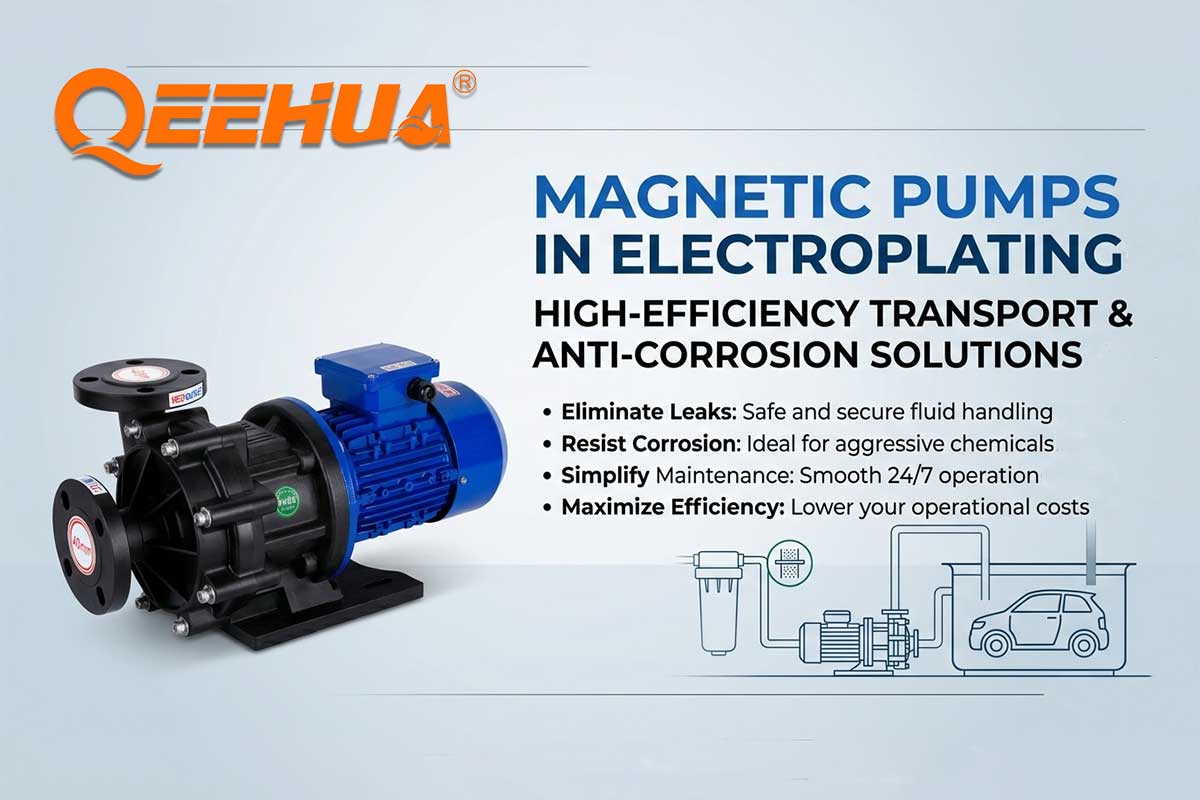
Magnetic Pumps: These are seal-less pumps that use magnetic coupling to transfer torque from the motor to the impeller. The absence of a mechanical seal eliminates the risk of leaks, making them ideal for handling hazardous or corrosive fluids.
-
Plastic Centrifugal Pumps: Constructed from materials like PP or PVDF, these pumps offer excellent corrosion resistance, especially against acids and alkalis. They’re lightweight, cost-effective, and suitable for various chemical applications.
-
Stainless Steel Centrifugal Pumps: Made from SS304 or SS316, these pumps are robust and can handle high temperatures and pressures. They’re suitable for applications requiring both strength and corrosion resistance.
Applications in Wastewater Treatment
Wastewater treatment plants often deal with fluids containing solids, chemicals, and varying pH levels. Selecting the right pump is crucial to handle these challenges effectively.
-
Magnetic Pumps: Ideal for handling hazardous chemicals without the risk of leaks. However, they might not be suitable for fluids with high solid content.
-
Plastic Centrifugal Pumps: Their corrosion resistance makes them suitable for handling acidic or alkaline wastewater.
-
Stainless Steel Centrifugal Pumps: Their strength and durability make them apt for handling high-pressure applications and fluids with varying temperatures.
Factors Influencing Chemical Pump Prices
The cost of chemical pumps varies based on several factors:
-
Material: Stainless steel pumps are generally more expensive than plastic ones due to material costs.
-
Design Complexity: Seal-less designs, like magnetic pumps, might have higher initial costs but can save money in the long run due to reduced maintenance.
-
Capacity and Size: Larger pumps with higher flow rates and pressure capabilities will naturally cost more.
-
Brand and Manufacturer: Established brands might charge a premium, but they often offer better reliability and after-sales support.
QEEHUA: A Professional Leader in Chemical Fluid Equipment
Choosing the Right Chemical Pump Manufacturer
Selecting a reputable manufacturer ensures product quality, reliability, and support. One such trusted name in the industry is QEEHUA.
Why Choose QEEHUA?
-
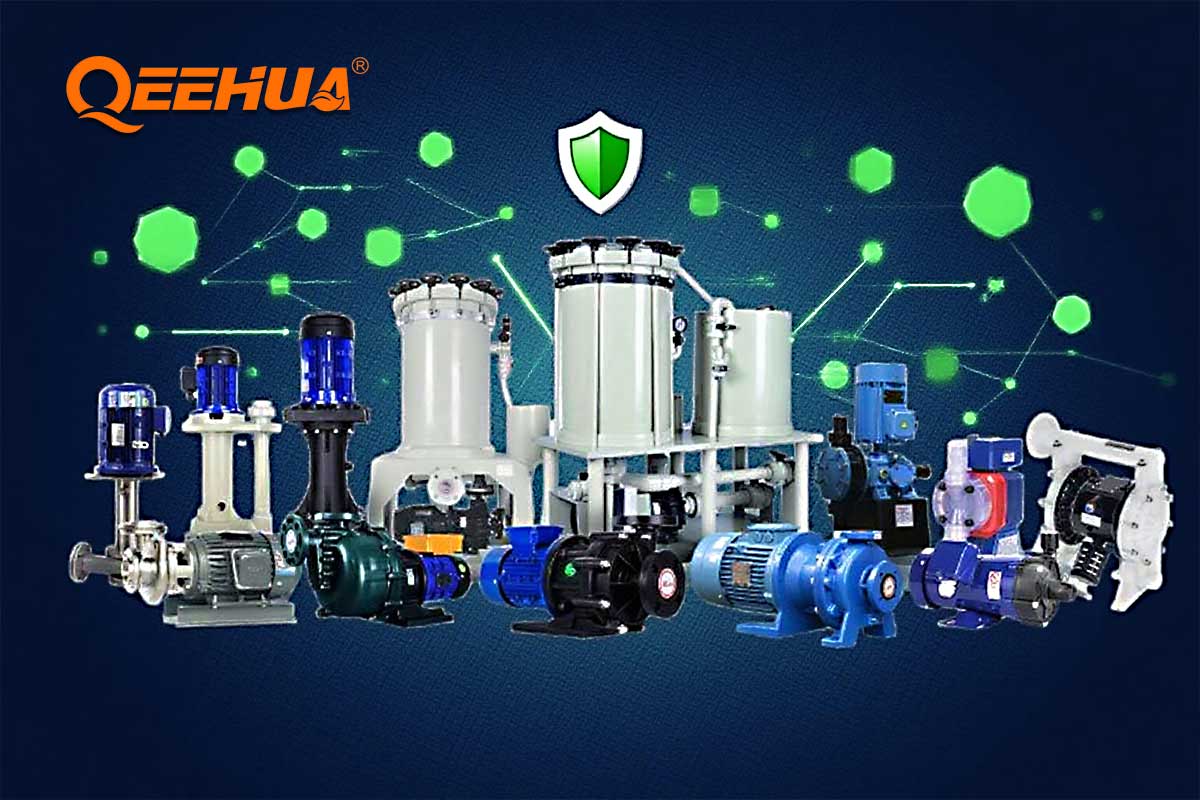
Diverse Product Range: From magnetic pumps to plastic and stainless steel centrifugal pumps, QEEHUA offers a comprehensive range to cater to various industrial needs.
-
Quality Assurance: With certifications like ISO9001, ISO14001, CE, and SGS, QEEHUA ensures that their products meet international standards.
-
Global Presence: Serving over 10,000 clients across 40+ countries, QEEHUA has a proven track record in delivering reliable solutions.
-
Innovative Technology: Their patented “internal magnetic injection molding” technology addresses common pump issues like leakage and corrosion, ensuring longevity and efficiency.
Case Study: Electroplating Industry
Electroplating processes involve the use of various chemicals, making the selection of the right pump crucial. For instance, during the electroplating of gold, nickel and gold salts are dissolved in a chemical solution, and the circuit board is immersed in this solution with an electric current applied. This process requires pumps that can handle corrosive fluids without contamination.
QEEHUA’s magnetic pumps, with their seal-less design, ensure that there’s no leakage, maintaining the purity of the electroplating solution. Their plastic centrifugal pumps, made from corrosion-resistant materials, are also suitable for handling various electroplating chemicals.
Conclusion
In the realm of industrial fluid handling, the importance of selecting the right chemical pump cannot be overstated. Whether it’s the leak-proof design of magnetic pumps, the corrosion resistance of plastic centrifugal pumps, or the robustness of stainless steel centrifugal pumps, each type offers unique advantages tailored to specific applications.
Understanding the specific requirements of your application, from the nature of the fluid to the operating conditions, is crucial in making an informed decision. Moreover, partnering with a reputable manufacturer like QEEHUA ensures not only product quality but also reliable support and innovative solutions.
As industries continue to evolve and face new challenges, the role of efficient and reliable chemical pumps will remain pivotal. Investing in the right pump today can lead to significant savings and operational efficiency in the long run.