


A magnetic drive pump for acid transfer should not be chosen from the words “acid pump” alone. The safer choice comes from the actual liquid, concentration, temperature, solids, duty point, and maintenance risk. In many clean acid or plating circulation duties, PPH or PVDF plastic magnetic pumps can be enough. In stronger, hotter, or more hazardous service, a fluorine-lined magnetic drive pump may be the safer specification. For buyers comparing models, this article turns the material question into an RFQ checklist instead of a guess.
Recent Search Console data for QEEHUA shows demand around magnetic drive pumps, acid pumps, chemical transfer pumps, and PVDF material questions. The problem is that many searches start broad, while the real buying decision is narrow. If you need a wider pump-type overview first, QEEHUA’s magnetic drive pump selection guide is useful. This page focuses only on the material boundary.
Start with the liquid, not the pump name
Two acid transfer lines can look similar on a pump list and behave very differently in the plant. A rinse-adjacent diluted acid loop at room temperature has a different risk profile from hot sulfuric acid, mixed acid, oxidizing liquid, or a line that sees frequent concentration drift. The pump body material, containment shell, shaft, bearing, O-ring, and connection design all need to survive the actual service.
Magnetic drive construction removes the dynamic shaft seal from the liquid boundary. That helps reduce leak paths in corrosive transfer. It does not remove the need for material compatibility. The Hydraulic Institute and ISO-style sealless pump guidance both treat sealless construction as a pump design category, while chemical compatibility still depends on the wetted materials and operating limits. Buyers should therefore separate two questions: is sealless construction appropriate, and which wetted material is appropriate?
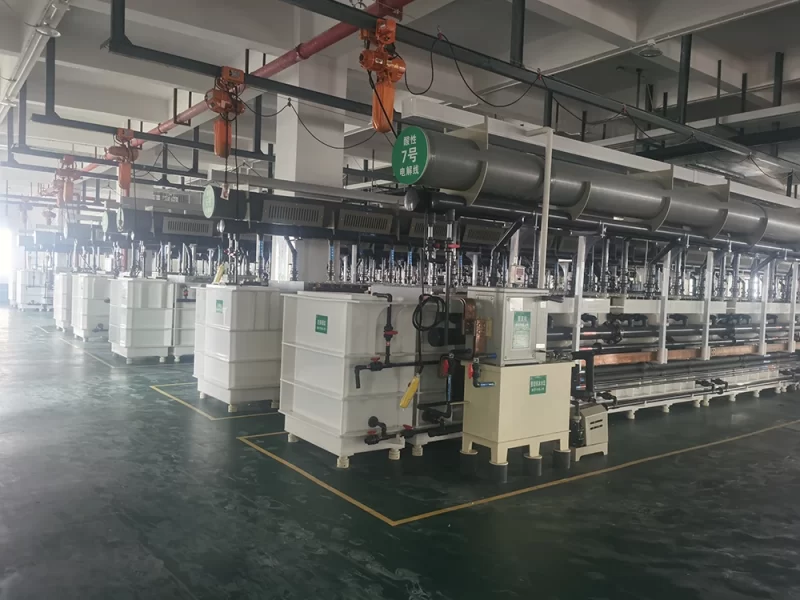
A practical first pass asks for six values: chemical name, concentration, temperature, specific gravity, suspended solids or crystals, and required flow/head. If any value is missing, the quotation may still be possible, but it should be treated as provisional.
PPH, PVDF, and fluorine-lined pump boundaries
QEEHUA’s internal product material notes describe PPH as a common choice for ordinary acid and alkali solutions, with a typical QEEHUA plastic magnetic pump temperature range around 0 to 70 C. PVDF is positioned for stronger acid service and smoother wetted surfaces, with a typical range around 0 to 90 C. Fluorine-lined options such as FEP, PFA, or other fluoroplastic-lined constructions are used when stronger acid, alkali, solvent, temperature, or hazardous-liquid conditions justify a heavier specification.
These ranges are selection starting points, not universal guarantees. A compatibility table can say that a material is generally resistant, but the final choice still depends on concentration, temperature, impurities, pressure, abrasion, cleaning chemicals, and whether the pump may run dry or deadhead.
| Material route | Typical fit | Useful caution | RFQ trigger |
|---|---|---|---|
| PPH plastic magnetic pump | Ordinary acid or alkali circulation, lower temperature duties, many surface-treatment auxiliary tanks. | Do not assume it fits hot, oxidizing, solvent-rich, or high-specific-gravity liquid without checking. | Ask for concentration, temperature, specific gravity, and whether the liquid contains oxidizers or crystals. |
| PVDF magnetic drive pump | Stronger acid service, cleaner plating or PCB wet process loops, and duties where smoother wetted surfaces help reduce adhesion. | PVDF is not a shortcut around all chemical or temperature limits. Seals and bearings must also match the liquid. | Check acid name, additives, bath temperature, solids, and whether EPDM, FKM, PTFE, ceramic, or SiC parts are needed. |
| Fluorine-lined magnetic drive pump | More aggressive, hotter, or higher-risk chemical transfer where a heavier fluoroplastic wetted boundary is justified. | Higher specification should be matched to hydraulic duty. Oversizing can create heat, noise, and poor operating points. | Use when the buyer reports strong acid, mixed chemicals, solvent risk, higher temperature, or leakage consequences. |
External compatibility resources such as the Cole-Parmer chemical resistance database are helpful for early screening. They should not replace the pump manufacturer’s confirmation because a pump is an assembly, not a simple material coupon.
Where material selection usually fails
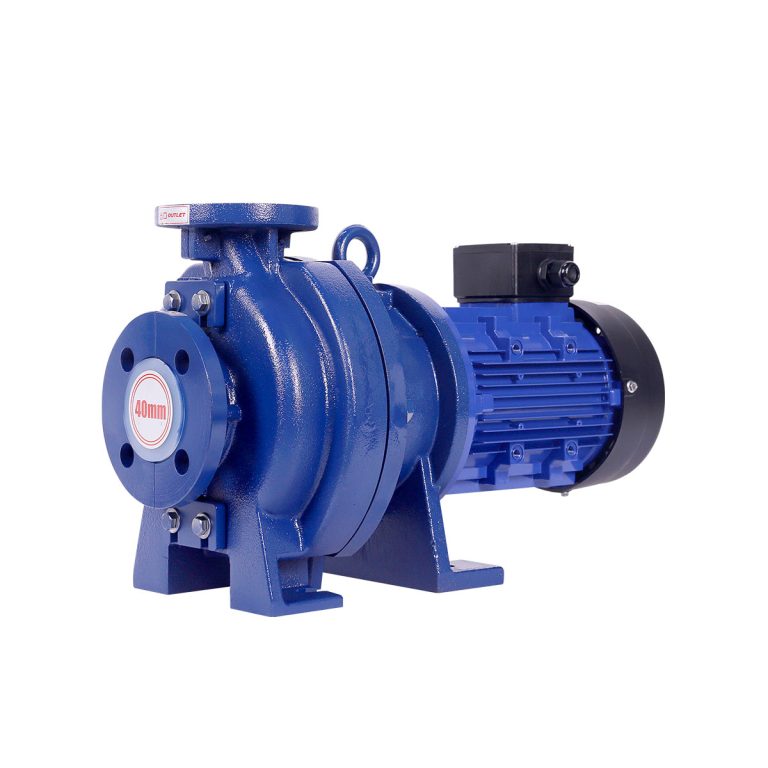
The first failure mode is treating the main pump body as the whole compatibility decision. In real acid transfer, the O-ring, bearing, shaft, containment shell, drain plug, flange gasket, and pipe connection can become the weak point. QEEHUA material notes list EPDM as useful for many alkaline and ordinary acid conditions, while FKM is more common in many acid and some solvent conditions. PTFE and silicon carbide parts can be selected when the duty needs lower adhesion, higher wear resistance, or stronger corrosion resistance.
The second failure mode is ignoring temperature rise. A liquid listed as compatible at room temperature may behave differently when a filter plugs, a valve throttles, or the pump runs close to shutoff. Magnetic drive pumps should not be left deadheaded because heat builds inside the wetted end. If the line has a high chance of blocked filters or closed valves, add flow proof, pressure protection, or a bypass plan.
The third failure mode is using a clean-liquid pump in a dirty liquid. Acid transfer in a plating or wastewater line may carry sludge, precipitate, carbon fines, or metal particles. Those particles can wear bearings, jam narrow clearances, or raise filter pressure. For PVDF and fluorine-lined pumps, the buyer should state whether the liquid is clear, lightly contaminated, or visibly loaded with solids.
The fourth failure mode is choosing material without hydraulic confirmation. If the required flow and total dynamic head are wrong, the best material still will not make the pump work well. A pump selected too far from its curve can run noisy, hot, or unstable.
RFQ checks before quoting an acid transfer pump
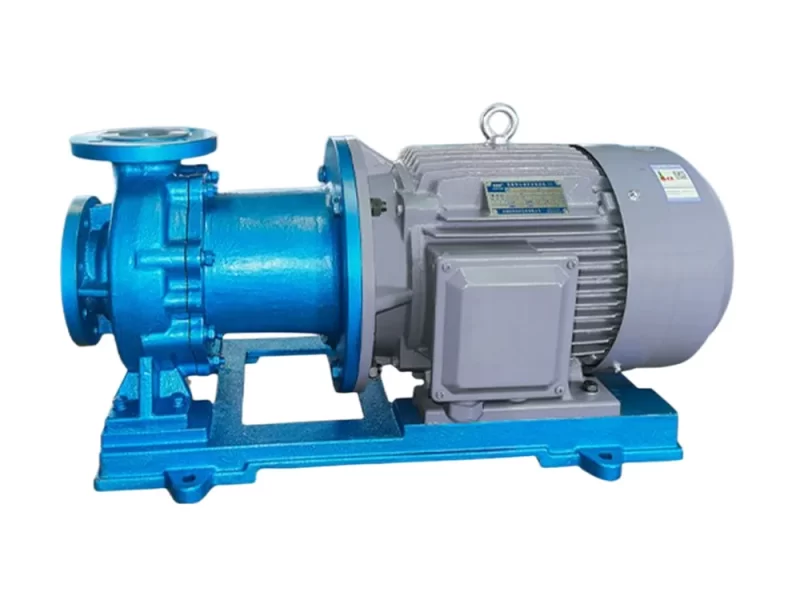
A distributor or OEM can reduce quote risk by refusing vague acid-pump requests. The RFQ should define the chemical before the model. When the user only writes “acid pump,” ask for the missing data before finalizing PPH, PVDF, or fluorine-lined construction.
| RFQ field | Why it matters | What to ask |
|---|---|---|
| Chemical and concentration | The same material can behave differently in diluted, concentrated, mixed, or oxidizing liquids. | Ask for the exact chemical name, concentration range, additives, and cleaning chemicals. |
| Temperature | Compatibility and plastic strength change as temperature rises. | Ask for normal, maximum, and upset temperature. |
| Flow and head | Material choice cannot correct an undersized or oversized pump. | Ask for required flow, discharge height, pipe length, fittings, filter pressure, and nozzle demand. |
| Solids or crystals | Particles affect bearings, clearances, filtration, and maintenance interval. | Ask whether the liquid is clear, cloudy, crystallizing, or sludge-bearing. |
| Leak consequence | Hazard level affects whether sealless construction, containment, or interlocks should be upgraded. | Ask about indoor location, secondary containment, sensors, and shutdown logic. |
| Maintenance access | A technically correct pump can still be a poor fit if it is hard to inspect. | Ask about spare parts, isolation valves, drain points, and expected service interval. |
For a distributor workflow, this RFQ discipline also supports cleaner internal linking and product recommendation. A broad corrosive-fluid request can start with QEEHUA’s chemical pump distributor RFQ triage guide, then move to a model only after the risk class is clear.
How QEEHUA normally narrows the choice
QEEHUA generally narrows the selection in layers. First comes liquid compatibility. Then the engineer checks temperature, flow, head, specific gravity, motor power, bearing material, seal material, and installation limits. Only after those checks does the conversation move to model family.
For ordinary lower-temperature acid and alkali transfer, a plastic magnetic pump may be enough. For stronger acid service or smoother wetted-surface needs, PVDF construction deserves attention, especially when the line is clean and the operating point is stable. For more aggressive, hotter, or higher-consequence acid transfer, QEEHUA may consider a fluorine-lined route such as the QBF series fluorine magnetic pump, but that should follow the RFQ data rather than replace it.
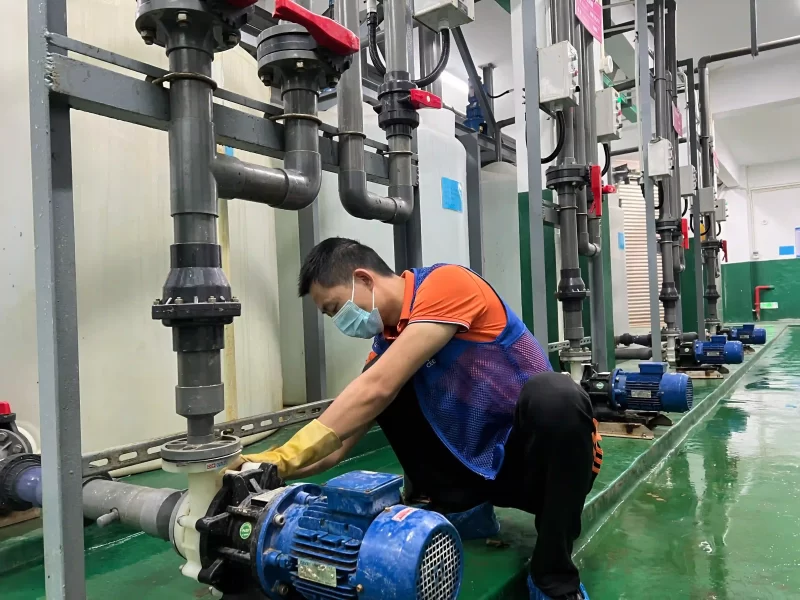
When the liquid is PVDF-relevant, do not stop at the word PVDF. Review QEEHUA’s PVDF material explanation, then confirm whether the actual bath contains oxidizers, particles, or temperature conditions that change the recommendation. This is especially important in PCB, electroplating, scrubber, and wastewater lines where the chemistry can drift during operation.
For standards context, sealless rotodynamic pumps are treated in documents such as ISO 15783, and refinery-style sealless pump expectations are addressed in API Standard 685. Most plating or PCB buyers do not need to quote those standards directly, but the idea is useful: sealless design is about containment architecture, while chemical pump reliability still depends on the correct wetted materials and operating envelope.
Need a material check before quoting? Send chemical name, concentration, temperature, flow, head, and photos of the installation area to info@qeehua.com. QEEHUA can help narrow PPH, PVDF, or fluorine-lined magnetic drive pump options before the model is locked.
FAQ
Is PVDF always better than PPH for acid transfer pumps?
No. PVDF is useful for many stronger acid or smoother-surface requirements, but PPH can be suitable for ordinary lower-temperature acid or alkali duties. The better choice depends on chemical concentration, temperature, solids, and the full wetted assembly.
When should a buyer consider a fluorine-lined magnetic drive pump?
Consider a fluorine-lined magnetic drive pump when the liquid is stronger, hotter, mixed, solvent-risk, or high consequence if leaked. Confirm flow, head, specific gravity, bearing, seal, and installation details before selecting the model.
Can one acid pump handle sulfuric acid, hydrochloric acid, and sodium hydroxide?
Not safely by default. Different chemicals can require different body, seal, bearing, and piping materials. A shared pump should only be specified after compatibility, flushing, concentration, temperature, and contamination risks are reviewed.
What information should be sent for a magnetic drive pump material quotation?
Send chemical name, concentration, temperature, flow, head, specific gravity, solids or crystals, duty cycle, installation photos, power supply, pipe size, and any leak detection or shutdown requirements.
Sources
Technical context was checked against ISO 15783 sealless rotodynamic pump scope information, API Standard 685 sealless centrifugal pump context, and Cole-Parmer’s chemical resistance database. QEEHUA material boundaries were based on local QEEHUA product training notes and current WordPress product/media records reviewed before publishing.
