

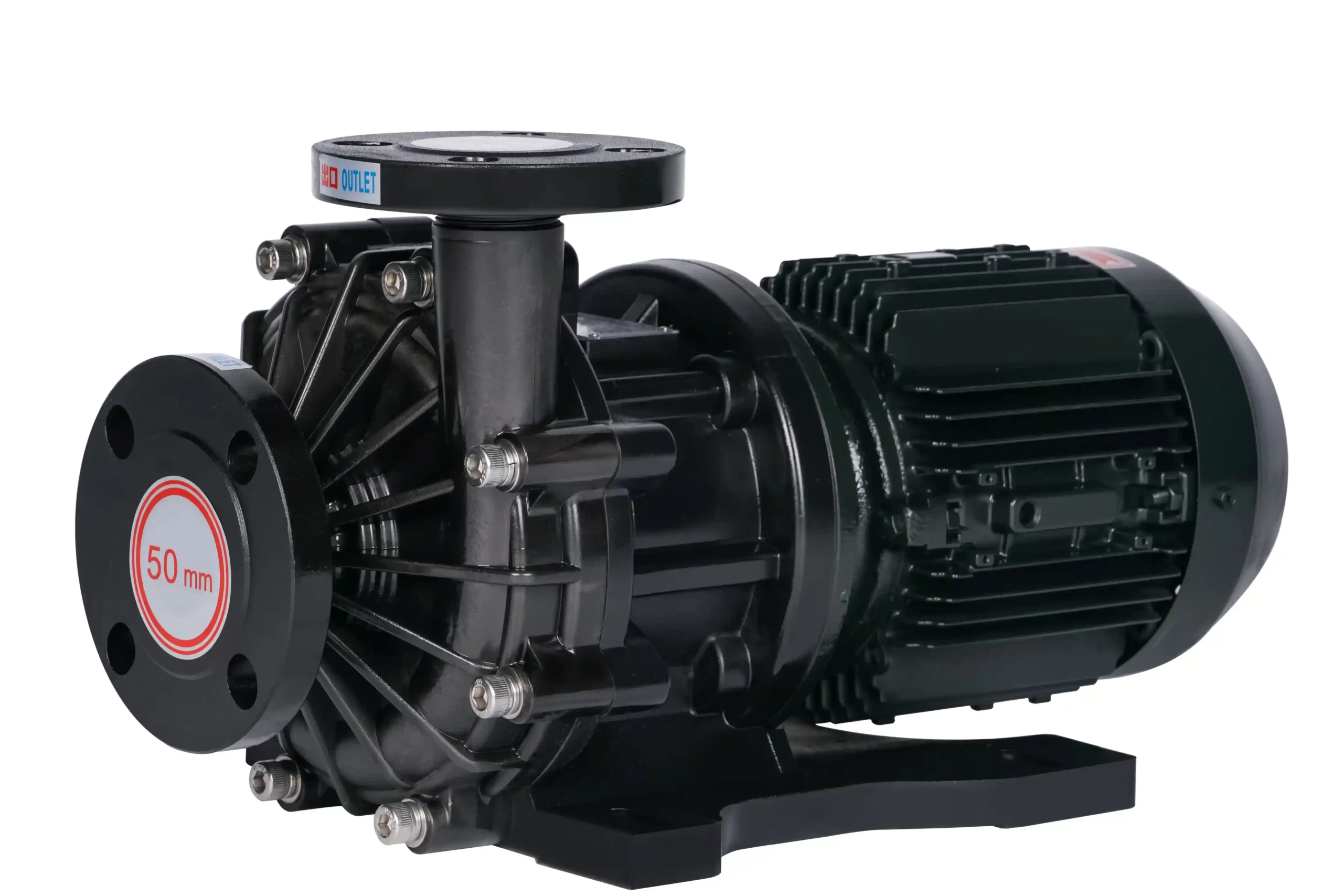
A PCB wet process pump can be chemically compatible and still be unsafe if the piping, motor frame, skid, filter, and nearby metallic parts do not have a reliable bonding and grounding plan. The practical answer is simple: treat anti-static grounding as a system check, not as an accessory. Bond conductive parts, verify continuity, protect grounding points from acid mist, and document inspection intervals before the line is released to production.
This topic matters most near etching, developing, stripping, cleaning, solvent-adjacent, and high-flow circulation areas where plastic piping, flexible hose, dry floors, and misty air can make operators underestimate static and electrical risks. QEEHUA normally reviews pump material, motor protection, liquid, flow, head, and installation layout together because a safe wet process loop is more than the pump nameplate.
Why grounding gets missed on wet process pump loops
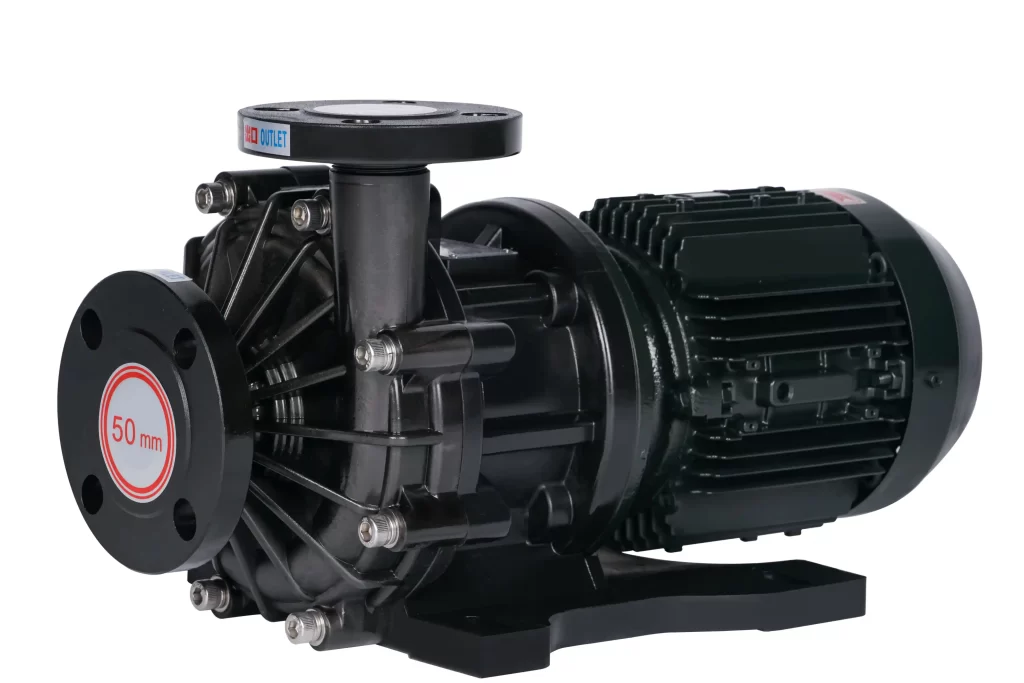
Many PCB and electroplating lines use non-metallic pump bodies, PP or PVDF piping, plastic tanks, and flexible hose. That helps chemical resistance, but it can hide the grounding question. Teams see plastic and assume there is nothing to bond. In reality, motor frames, metal fasteners, stainless filter housings, conductive supports, instruments, cable trays, and nearby service panels may still need a controlled electrical path.
OSHA treats electrical safety as a workplace hazard area that includes grounding and protection from electrical contact (OSHA electrical safety). For static electricity, the Canadian Centre for Occupational Health and Safety notes that static charge can accumulate and needs control through bonding, grounding, humidity, and process design where flammable or sensitive conditions exist (CCOHS static electricity guidance). A PCB line may not always be a flammable-liquid line, but the same discipline helps prevent nuisance shocks, instrument errors, and unsafe assumptions around mixed materials.
Grounding also interacts with maintenance. If a pump is removed, a flexible connector is changed, or a filter skid is moved, the electrical path may change. That is why grounding belongs in commissioning and maintenance records, alongside rotation checks, pressure checks, and flow acceptance. QEEHUA covers broader startup discipline in its chemical pump commissioning checklist for PCB wet process lines.
A practical static-risk map
Do not start with a generic statement like “ground everything.” Start by mapping where charge can build, where metal parts are isolated, and where corrosion can break a connection over time.
| Area to inspect | What usually gets missed | Practical control |
|---|---|---|
| Motor and base | Painted or corroded contact points under a ground lug | Use a clean bonding point, corrosion-resistant hardware, and periodic continuity checks. |
| Plastic piping with metal accessories | Metal valves, gauges, or supports separated by non-conductive pipe | Bond conductive accessories when required by the plant electrical plan. |
| Filter and pump skid | Moved skid or replacement hose breaks the previous path | Mark the bonding path and re-test after maintenance. |
| Cable routing near tanks | Acid mist attacks glands, terminals, and exposed copper | Use sealed routing, protective conduit, and inspection intervals. |
| Operator access points | Static shock or nuisance signal faults treated as random events | Record symptoms and check grounding, humidity, and cable shielding before blaming the pump. |
This map should be adapted to the plant. Strong acids, alkalis, oxidizers, and high humidity change the material and inspection plan. When a line handles solvents or combustible vapors, the plant should involve qualified electrical and safety personnel instead of treating the pump supplier as the only design authority.

Bonding and grounding checks before startup
Before startup, the maintenance team should confirm the grounding path under real installed conditions. A drawing alone is not enough. The pump may have been moved, the pipe support may have changed, or a non-conductive gasket may have isolated a section.
- Confirm the motor frame ground and the plant protective earth connection.
- Check whether metal filter housings, instrument bodies, and pipe supports need bonding across non-conductive sections.
- Inspect ground lugs for corrosion, looseness, paint, resin coating, or acid crystallization.
- Route cables away from tank splash zones and protect them with compatible conduit or sleeves.
- Record continuity readings according to the plant electrical standard.
- Recheck after pump replacement, hose replacement, skid movement, or filter modification.
The pump type still matters. A magnetic drive pump reduces seal leakage risk, but it does not remove the need for motor protection, cable routing, and grounding. For pump-type selection in wet process circulation, see QEEHUA’s magnetic drive pump selection notes for PCB wet process lines.
When to escalate beyond a pump check
Some warning signs should move the issue beyond routine pump troubleshooting. Escalate when operators feel repeated static shocks, instruments drift only when pumps start, corrosion repeatedly damages cable glands, ground lugs discolor or loosen, or the area includes solvent vapor, combustible dust, or other classified electrical risks.
Lockout and maintenance control also matter. OSHA’s control of hazardous energy material reminds employers to control hazardous energy during servicing and maintenance (OSHA hazardous energy control). In a chemical pump loop, that means electrical isolation, pressure release, chemical drainage, and restart authorization should work together. Do not let a grounding repair become an unplanned chemical exposure event.
Acid mist is another escalation point. If the electrical problem repeats in a splash or mist area, review the motor IP rating, cable glands, conduit, junction boxes, and physical shielding. QEEHUA has a related article on PCB pump motor protection in acid mist and splash zones.
RFQ details that make the system safer
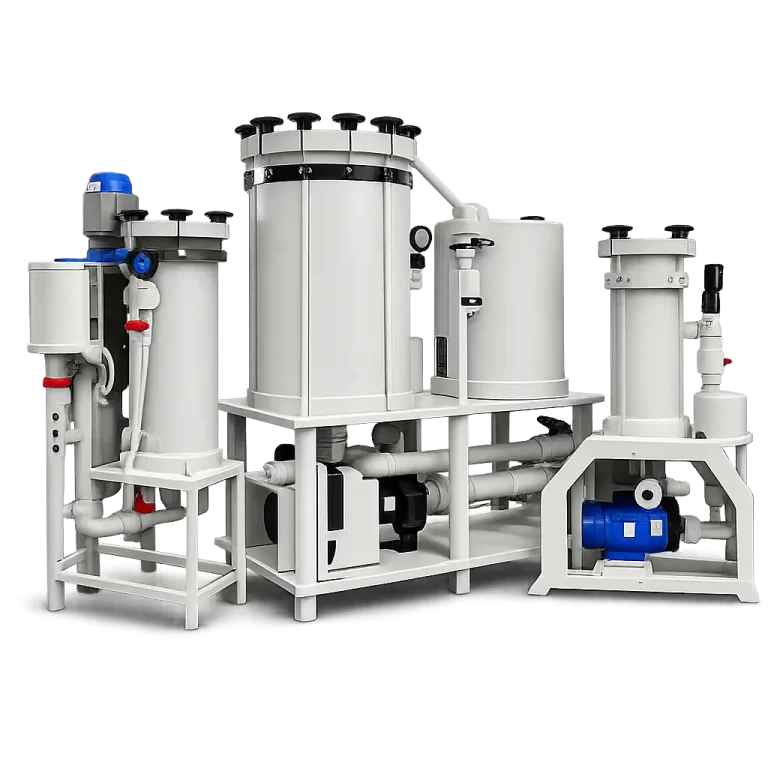
A good RFQ does not ask only for pump flow and head. It also tells the supplier how the pump will live in the plant. Include liquid, concentration, temperature, tank location, pipe material, motor voltage, splash exposure, whether the area is solvent-adjacent, and whether the plant requires special bonding or conductive materials.
For QEEHUA, these details help avoid a narrow quote that fits the liquid but misses the installation risk. If the buyer already has a plant grounding standard, send it with the pump and filter inquiry. Email info@qeehua.com with the process liquid, layout photo, motor requirement, and any electrical-area notes so the application review starts from the actual site conditions.
Grounding decisions should be confirmed by qualified plant electrical personnel. QEEHUA can support pump, filter, material, motor, and layout review, but final bonding and electrical acceptance must follow the site standard and local regulations.
FAQ
Do plastic chemical pumps need grounding?
The plastic wetted body may not provide a conductive path, but the motor, frame, metallic accessories, instruments, supports, and nearby equipment may still need bonding or grounding according to the plant electrical plan.
Can static electricity damage PCB wet process quality?
Static problems can contribute to nuisance shocks, signal instability, and unsafe maintenance conditions. In sensitive PCB areas, grounding and cable routing should be reviewed when unexplained electrical or instrument behavior appears.
Should a pump supplier specify the grounding resistance?
The pump supplier can identify equipment details and installation risks, but the required grounding resistance and test method should come from the plant electrical standard, qualified electrician, or local regulation.
When should grounding be rechecked?
Recheck after pump replacement, hose replacement, skid movement, filter service, cable repair, corrosion cleanup, or any change that may interrupt the previous bonding path.
Is anti-static grounding the same as motor overload protection?
No. Grounding and bonding control electrical paths and static risk. Overload, phase-loss, dry-run, and flow protection are separate controls that should be reviewed together in the pump protection plan.
