

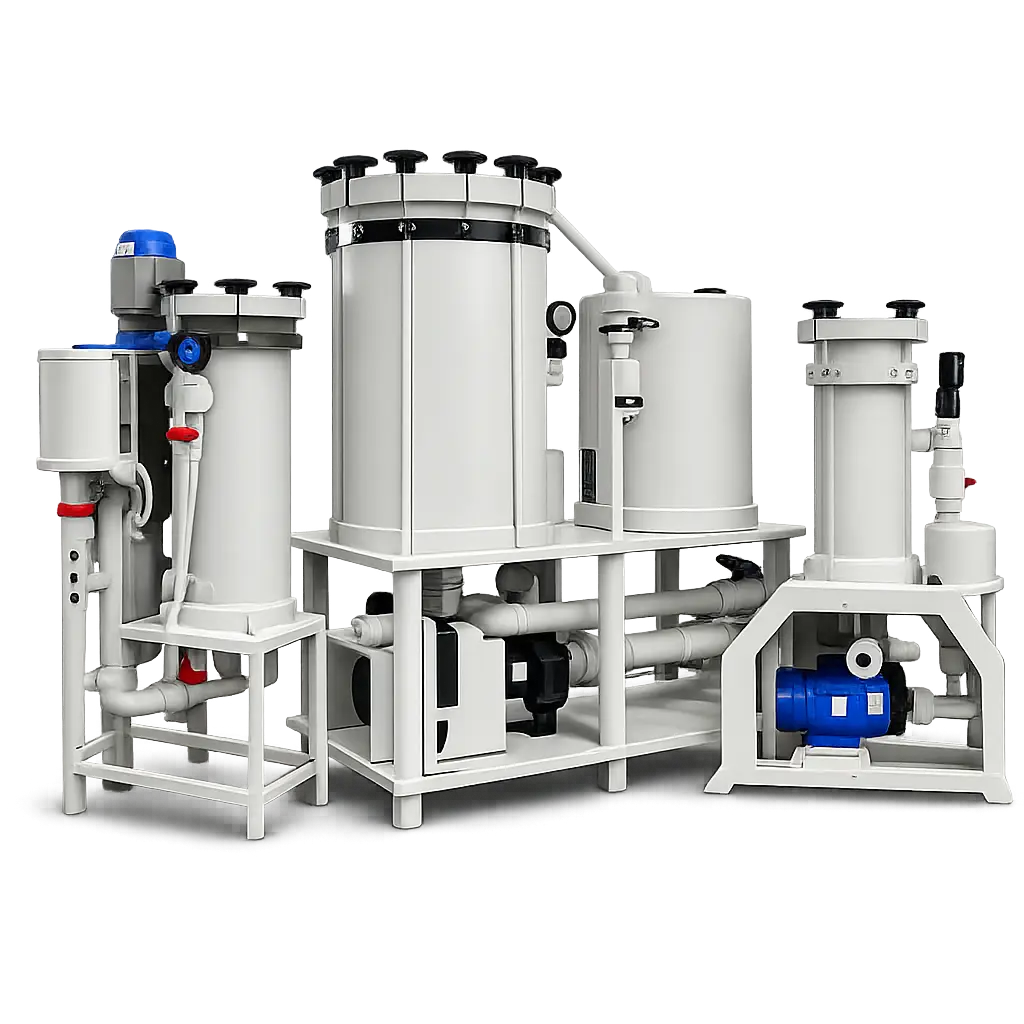
A filter bypass loop can keep a PCB wet process tank circulating while operators change cartridges, but it must be designed as a controlled maintenance path. It should not become a permanent unfiltered shortcut. The bypass needs clear valve positions, pressure control, drainage, venting, contamination prevention, and operator lockout steps before it is accepted for production use.
This article answers a common buyer and maintenance question: when should a PCB plating or etching line specify a chemical filter bypass, and what details prevent the bypass from creating a new quality problem? The short answer is to use bypass only for planned maintenance or controlled emergency circulation, then return flow through the filter as soon as safe operation allows.
Why a bypass is not just a shortcut
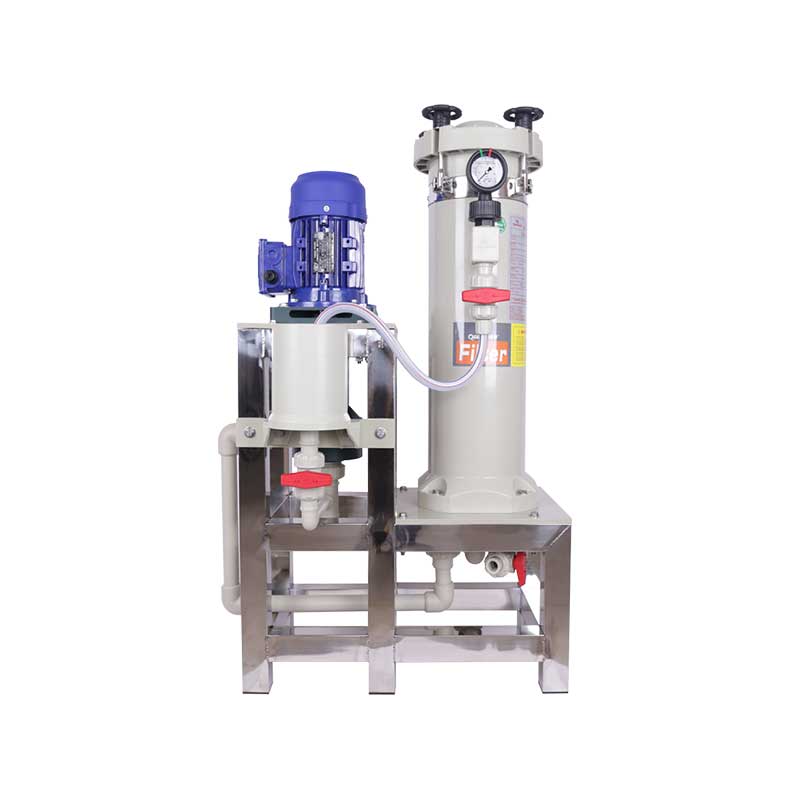
In many PCB shops, filter cartridge replacement stops more than one tank. Operators want a bypass so the tank does not sit stagnant during service. That is reasonable, but the bypass changes the hydraulic and quality behavior of the loop. It can reduce filter pressure, change spray or turnover flow, and allow particles to keep circulating while the filter is isolated.
The pump also sees a different system curve when the filter is bypassed. Engineering ToolBox summarizes the basic centrifugal pump principle and the relationship between pump operation and system resistance (centrifugal pump fundamentals). If operators open a low-resistance bypass without a flow-control plan, flow can shift away from the intended filter path or exceed what downstream parts should handle.
This is why a bypass belongs in the pump and filter selection conversation. QEEHUA already recommends confirming flow, micron rating, pressure drop, materials, pump fit, bypass, venting, and maintenance access in a PCB plating filter RFQ checklist. The bypass decision should be made before fabrication, not improvised with field piping after the first shutdown problem.
Where a bypass fits and where it does not
| Situation | Bypass fit | Reason |
|---|---|---|
| Short cartridge change on a non-critical circulation loop | Often useful if valve sequence is controlled | The tank can keep moving while the filter is isolated for a short period. |
| Fine filtration for final quality control | Use with caution | Unfiltered bypass time can allow particles to remain in the bath or reach spray headers. |
| Shared filter serving several tanks | High risk unless isolation is very clear | Wrong valve sequence can cause cross-contamination between chemistries. |
| High-solids bath or dirty-filter condition | Not a fix by itself | Bypass avoids pressure drop but does not remove the solids causing the maintenance issue. |
| Emergency leak or overpressure event | Only if the plant procedure allows it | Personnel safety, chemical containment, and shutdown logic come before production continuity. |
For shared systems, the contamination risk deserves special attention. A bypass that connects the wrong paths can move chemistry between tanks. QEEHUA covers related risks in its article on shared electroplating filter cross-contamination.
A safer valve sequence for cartridge change
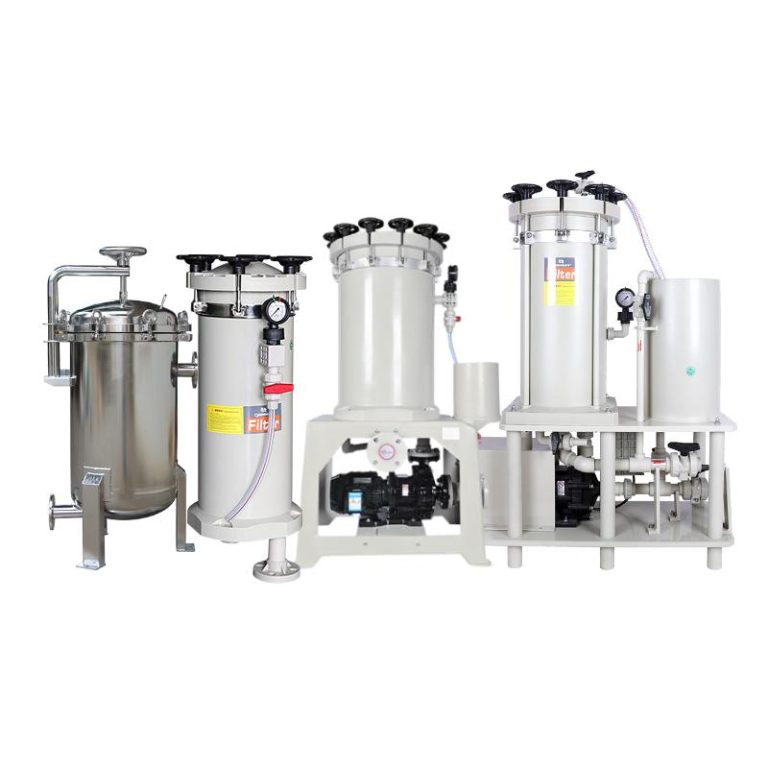
The exact sequence must follow the plant procedure and the actual valve arrangement. Still, a good bypass concept has a few common steps. It lets operators isolate the filter without trapping pressure, drain chemical safely, vent air before restart, and confirm the system has returned to filtered operation.
- Confirm production permission, PPE, spill containment, and lockout or controlled-maintenance status.
- Throttle or stop the pump according to the plant procedure before moving isolation valves.
- Open the bypass only if the process allows temporary unfiltered circulation.
- Close the filter inlet and outlet valves in the approved order, then depressurize the filter housing.
- Drain the housing to a compatible tank or waste path. Do not drain to an uncontrolled floor area.
- Change cartridges with clean handling and verify O-ring, center rod, and hold-down position.
- Refill and vent the housing until liquid is continuous and bubble-free.
- Return flow through the filter, close the bypass, and record clean-filter pressure.
OSHA’s hazardous energy guidance is relevant because filter service can involve electrical, pressure, chemical, and stored-energy hazards at the same time (OSHA control of hazardous energy). A bypass makes the operation more convenient only when the control points are visible and repeatable.
Sizing, pressure, and contamination checks
The bypass line should not be sized only by pipe convenience. If it is too small, it may not maintain safe circulation during service. If it is too large and unrestricted, it may pull too much flow away from the normal filter path during partial opening. The valve type, label, normal position, and lockable position matter.
Use gauges to make the bypass visible. Operators should know clean-filter pressure, dirty-filter pressure, bypass-open pressure, and return-to-filter pressure. The Hydraulic Institute pump FAQ resource highlights that pump troubleshooting often depends on looking at the whole system rather than the pump alone (Hydraulic Institute pump FAQs). That idea applies directly here: pressure, flow, filter condition, valve position, and tank quality must be read together.
After the cartridge change, trapped air can make the line look like a pump problem. QEEHUA’s article on chemical filter air lock after cartridge change explains the venting checks that should be part of the bypass return sequence.
What to put in the RFQ
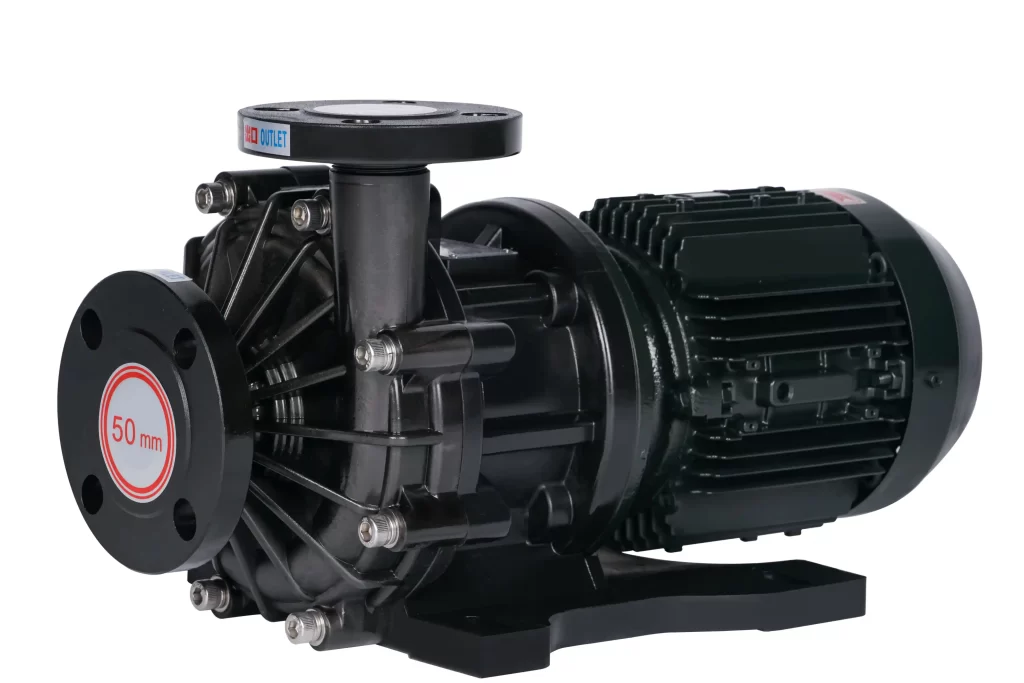
When asking QEEHUA to quote a filter and pump package, include the bypass expectation early. Say whether the bypass is for planned cartridge change, emergency circulation, parallel filter service, or future expansion. Also include liquid, concentration, temperature, flow rate, target turnover, micron rating, tank volume, solids load, available footprint, preferred valve material, and drain destination.
One product reference is enough for this topic. For plating filtration packages, QEEHUA can review options such as the QHC chemical plating filter series together with pump flow, filter area, and maintenance access. The goal is not to sell the largest filter. The goal is to keep the bath clean while making service predictable.
For a bypass-loop review, send the tank volume, required turnover, liquid chemistry, cartridge micron rating, current pressure readings, and a simple valve sketch. Email info@qeehua.com with those details so QEEHUA can review the pump, filter, and maintenance path together.
FAQ
Can a PCB plating filter run in bypass during production?
Only if the process owner allows temporary unfiltered circulation. For fine filtration or defect-sensitive baths, bypass time should be short, controlled, and documented.
Should the bypass be before or after the pump?
The arrangement depends on the filter package and tank layout. The RFQ should show the proposed flow path so the supplier can review isolation, pressure, venting, and return-to-tank behavior.
Does a bypass protect cartridges from high pressure?
A bypass can reduce pressure during service, but it is not a substitute for correct pump sizing, pressure gauges, relief logic, valve procedure, and dirty-filter maintenance.
What is the biggest mistake with filter bypass valves?
The common mistake is leaving the bypass partly open after maintenance. That can reduce filtration effectiveness while the line appears to be running normally.
What should operators record after returning from bypass?
Record clean-filter pressure, bypass valve closed status, flow or return condition, venting result, cartridge type, and any abnormal noise or vibration.
