


A chemical pump distributor should qualify a corrosive-fluid inquiry before quoting by checking the liquid, concentration, temperature, flow, head, suction condition, installation layout, power supply, and failure consequence. If these fields are missing, the safest response is not a quick price. It is a short technical clarification that protects the distributor, the end user, and the pump supplier from a wrong-duty sale.
This matters most when the end customer says only, “I need a chemical pump,” or sends a photo of a failed pump without duty data. A distributor can win trust by separating simple replacement requests from high-risk applications before the quote is issued. QEEHUA’s distributor cooperation page is the commercial starting point, but the engineering qualification step is what keeps repeat orders clean.

Why distributor RFQ triage matters
Distributors sit between impatient buyers and application risk. The buyer wants a price. The plant engineer wants the pump to survive acid, alkali, particles, temperature, suction limits, and operating mistakes. The supplier needs enough information to avoid recommending a pump that looks correct on flow rate but fails on material, bearing load, dry-run risk, or inlet condition.
The first mistake is treating every inquiry as a catalog match. A magnetic drive pump, vertical pump, filter pump, or diaphragm pump may all move chemicals. They do not solve the same problem. A distributor who quotes too quickly can create warranty disputes, emergency freight costs, and a customer who believes the brand failed when the real issue was incomplete selection data.
Good triage also shortens the sales cycle. When the distributor sends a complete RFQ, the manufacturer can answer with a model range, material boundary, motor option, spare-parts note, and installation warning. When the RFQ is incomplete, the discussion loops through days of missing details. For many wet process and wastewater customers, the delay is more expensive than the pump.
The first seven fields to confirm
Start with seven fields before discussing price. They are simple enough for a sales team to ask, but they catch most wrong-selection risks.
- Liquid name and concentration. Ask for the chemical name, concentration, mixed chemicals, and whether solids or crystals are present.
- Temperature range. Do not accept only room-temperature assumptions if the tank is heated or the liquid returns from a process line.
- Required flow and head. If the buyer does not know head, ask for pipe length, lift, fittings, filter pressure, nozzle demand, and discharge pressure.
- Suction condition. Confirm flooded suction, suction lift, tank level variation, inlet pipe size, strainer use, and whether the pump may run dry.
- Installation position. Horizontal base-mounted, vertical sump, tank-top, skid-mounted, or OEM cabinet installation changes the pump family.
- Power and control. Confirm voltage, frequency, phase, VFD use, interlocks, and local motor standards.
- Failure consequence. A transfer pump for noncritical rinse water is different from an acid circulation pump that can stop a plating line.
For head and operating point questions, distributors should link the buyer to a simple technical explanation instead of guessing. QEEHUA’s article on pump curve versus system curve is useful when the customer says the old pump “used to work” but cannot confirm the real system resistance.
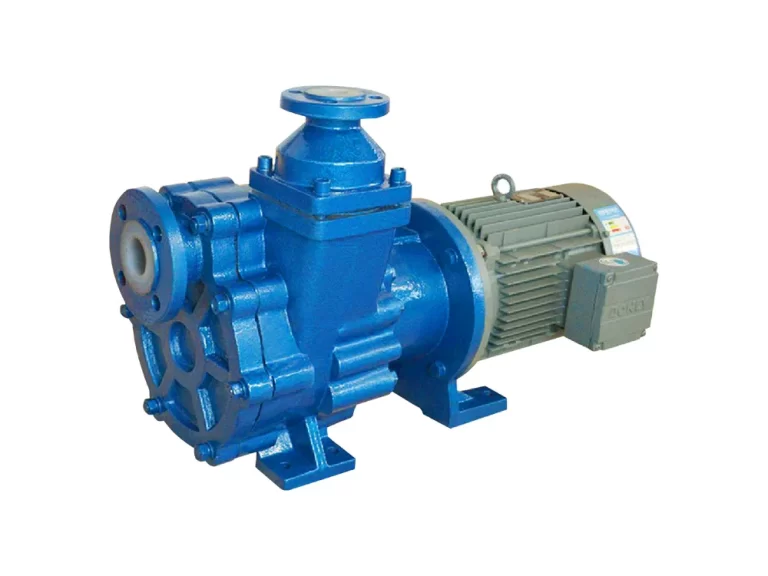
A practical triage table for corrosive-fluid inquiries
The table below gives distributor sales teams a fast way to classify the inquiry before sending it to QEEHUA engineering. It is not a final selection chart. It is a screening tool that helps decide whether a quote can proceed or needs technical review.
| Inquiry signal | What it usually means | Distributor action before quoting |
|---|---|---|
| Clear liquid, known concentration, normal temperature, flooded suction | Standard chemical transfer or circulation request | Ask for flow, head, power, connection size, and preferred material. Quote a candidate range after confirmation. |
| Strong acid, oxidizer, solvent, or mixed chemical | Material compatibility is the main risk | Request SDS, concentration, temperature, and wet-end material history. Avoid universal material claims. |
| Filter pressure, spray nozzles, or long pipe run | System resistance may dominate pump selection | Ask for filter micron rating, pressure gauge data, pipe size, pipe length, elbows, and required nozzle pressure. |
| Low tank level, suction lift, gas bubbles, or intermittent feed | Cavitation, dry-run, or loss-of-prime risk | Escalate for suction review. Consider vertical pump, flooded layout correction, or protection logic before quoting. |
| Customer asks for cheapest equivalent only | Warranty and reputation risk may be high | Ask what failed on the old unit. Confirm liquid, duty point, and installation before offering a replacement. |
| OEM or equipment builder asks for repeat supply | Specification stability and stock planning matter | Confirm annual quantity, duty variation, approval drawings, labels, manuals, and spare-parts package. |
External guidance supports this approach. The Hydraulic Institute focuses on pump knowledge and system-level education through Pumps.org, while the U.S. Department of Energy’s pump systems resources treat pump performance as part of the complete system, not just the pump nameplate. For hazardous chemical handling, OSHA’s chemical hazards guidance reinforces why chemical identity and exposure risk cannot be ignored during equipment selection.
When to escalate before quoting
Some inquiries should go to QEEHUA engineering before the distributor gives a firm model and price. Escalation is not a sign of weak sales ability. It is how a distributor protects margin and avoids a return caused by hidden process conditions.
Escalate before quoting when: the liquid is unknown, the chemical is mixed or oxidizing, the temperature is near a material limit, the buyer reports repeated dry-run damage, the pump feeds a filter or spray system, solids or crystals appear in the liquid, the duty point is copied from an old failed pump, or the line shutdown cost is high.
For example, a distributor may receive a request for a magnetic drive pump for ferric chloride etching. If the buyer gives only flow and motor power, the quote is incomplete. Specific gravity, sludge load, filter pressure, material history, and pipe resistance can change the answer. In that case, it is better to connect the buyer with a selection article such as QEEHUA’s ferric chloride etching pump selection guide and then request the missing data.
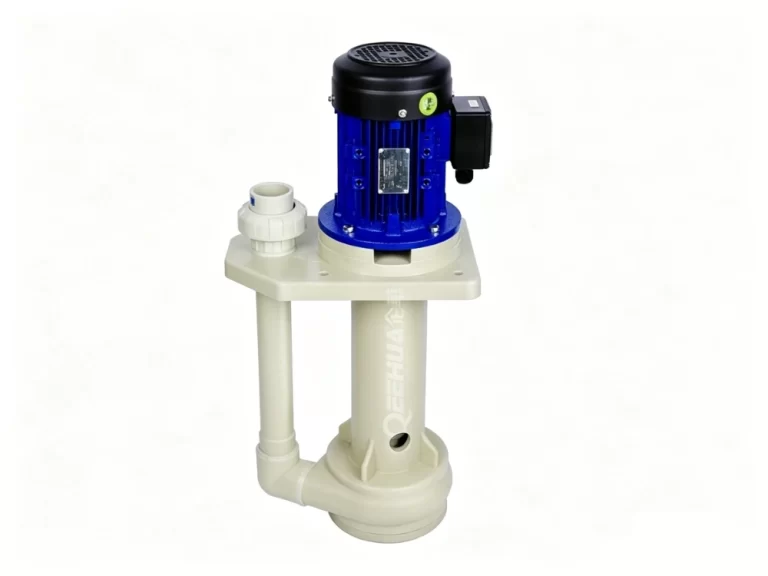
How QEEHUA supports distributor decisions
A distributor does not need to stock every pump family at the same depth. The practical stocking plan should follow local demand: fast-moving magnetic drive pumps for chemical transfer, vertical pumps for tanks and scrubbers, filter-related products for plating lines, and spare wearing parts for repeat customers. QEEHUA can help align the product mix with the distributor’s market instead of pushing one series into every application.
For corrosive chemical transfer and circulation, the QHX corrosion-resistant magnetic pump series is often a useful starting point because it gives distributors a sealless option for many acid and alkali duties. That does not make it the default answer for every inquiry. High head, heavy solids, suction instability, or special chemical compatibility can point to another model family or a system correction.
Repeat business also depends on spare-parts planning. A customer who buys one pump may later need bearings, O-rings, impellers, motors, or an urgent replacement unit. QEEHUA’s article on chemical pump spare parts planning can help distributors discuss stock levels with plants that cannot afford a wet process shutdown.
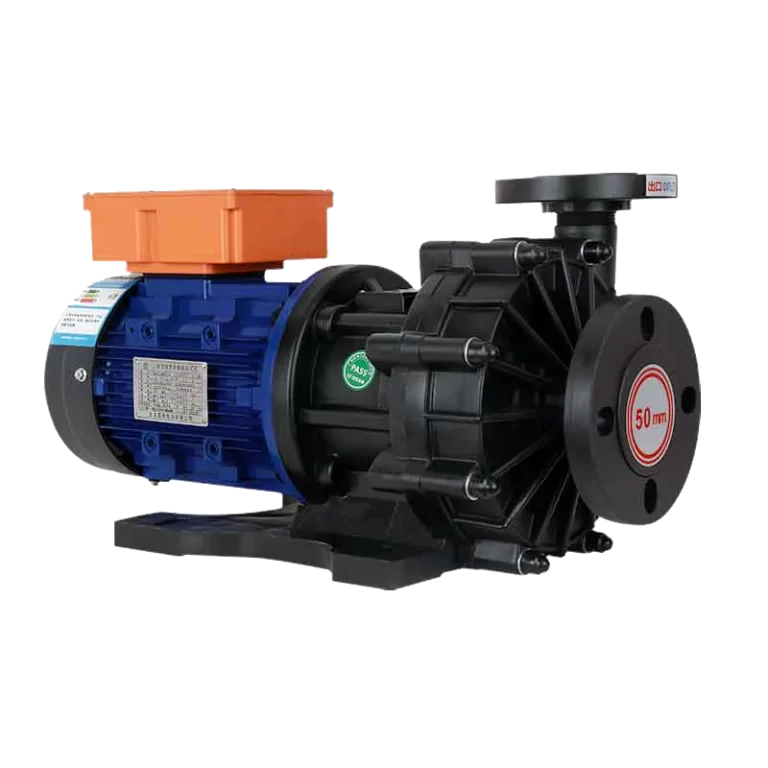
What to send QEEHUA for a faster technical reply
A strong distributor RFQ is short but complete. Send the chemical name, concentration, temperature, flow, head or system description, suction layout, installation drawing or photo, voltage and frequency, quantity, target delivery time, and what failed on the old pump. If the customer is replacing an installed unit, include the nameplate photo and a photo of the surrounding piping.
For OEM customers, add annual volume, approval drawing requirements, private label needs, packing requirements, spare-parts list, and whether the pump will be built into a skid, cabinet, scrubber, plating machine, or wastewater system. If the order will be installed by the end customer, QEEHUA’s chemical pump commissioning checklist helps distributors explain what should be checked after delivery. These details help QEEHUA separate a one-time spot order from a repeat distributor program.
For distributor RFQ support, send the duty data, photos, and target market to info@qeehua.com. QEEHUA can review the application boundary before you commit to the end customer.
FAQ
What information should a distributor collect before quoting a chemical pump?
Collect the liquid name, concentration, temperature, flow, head, suction condition, installation layout, power supply, quantity, and failure consequence. For replacement jobs, include the old pump nameplate and piping photos.
Can a distributor quote from an old pump model number only?
A model number can start the discussion, but it is not enough for corrosive or critical service. The old pump may have been oversized, misapplied, damaged by dry-run, or exposed to a changed chemical duty.
When should a distributor escalate an inquiry to QEEHUA engineering?
Escalate when the liquid is unknown, the chemical is aggressive or mixed, the suction condition is unstable, the system includes filters or spray nozzles, solids are present, or the customer’s downtime risk is high.
How can distributors reduce warranty disputes on chemical pump orders?
Use a written RFQ checklist, record the buyer’s duty data, confirm material and operating limits, document installation warnings, and avoid promising that one pump model fits every chemical or process condition.
Sources
- Hydraulic Institute / Pumps.org – pump education and system-level selection context.
- U.S. Department of Energy Pump Systems – pump systems and efficiency context.
- OSHA Chemical Hazards – chemical hazard awareness for workplace equipment decisions.
