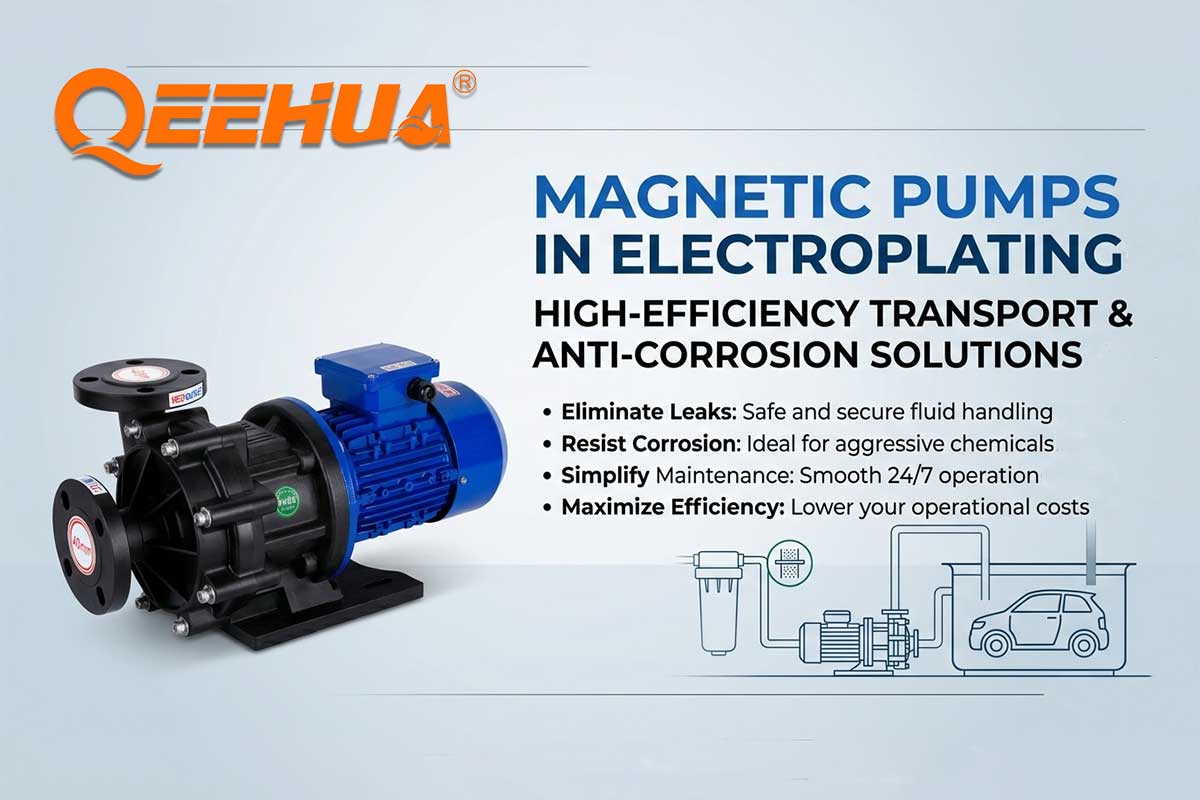
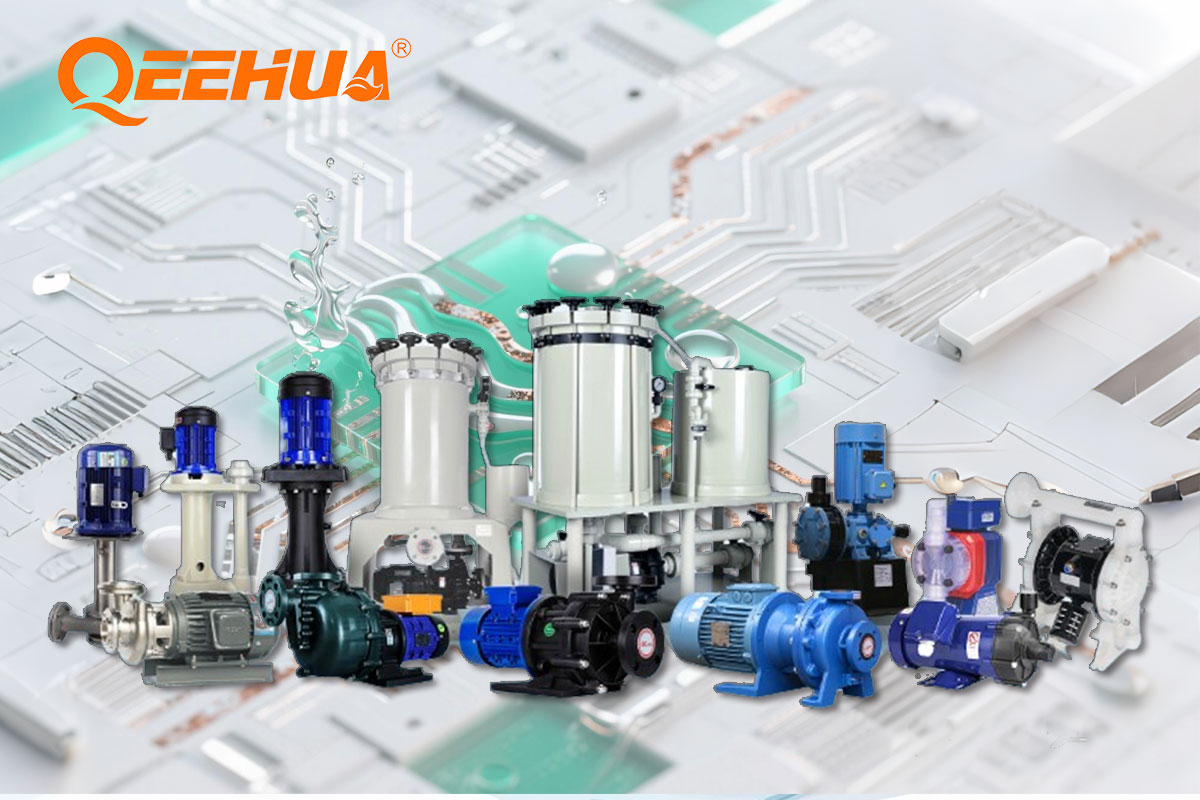
Introduction: Why Magnetic Drive Pumps Dominate Modern Industry
Imagine a chemical plant where a single pump leak could cost $500,000 in environmental fines—or worse, endanger workers’ lives. This nightmare scenario explains why over 68% of hazardous fluid handling systems now use magnetic drive pumps (mag drive pumps) as their first line of defense. With traditional sealed pumps failing at rates up to 23% annually in corrosive services (U.S. Department of Energy, 2023), the industry’s shift to sealless magnetic technology isn’t just logical—it’s inevitable.
But here’s the reality many plants face: While mag drive pumps eliminate leakage risks, they bring new operational challenges. Dry running, unexpected solids, and heat-induced failures still plague users worldwide. At QEEHUA, we’ve spent 15 years transforming magnetic pump technology from a “necessary risk” to a “reliable partner.” Through patented engineering and global field insights from 10,000+ installations, we’ve cracked the code on durability—without compromising the core benefit of zero leakage.
Part 1: Understanding Magnetic Drive Pump Failures – And Why Prevention Matters
1. The Dry Running Crisis: More Than Just Friction
Dry running accounts for 41% of mag drive pump failures (ASME Fluid Handling Division, 2022). What most operators miss:
-
Plastic vs. Metal Impact: A polypropylene pump running dry for 30 seconds can warp irreversibly, while metallic versions might survive but suffer bearing damage.
-
Hidden Costs: Every dry-run event increases energy consumption by 15-20% due to magnetic coupling efficiency loss.
2. Heat: The Silent Magnet Killer
Magnetic strength isn’t forever. Standard neodymium magnets lose 0.12% magnetic flux per °C above 80°C (NIST Materials Database). At 150°C (common in chemical processes), this means:
-
8.4% torque reduction → Pump performance drop
-
Adhesive failure → Magnet detachment risks
3. Solids & Cavitation: The Particle Paradox
Magnetic pumps aren’t trash pumps, but modern processes demand flexibility. Consider:
-
90% of cavitation damage occurs in pumps handling liquids below 5% solids (Hydraulic Institute, 2023)
-
Just 0.5mm particles can jam standard mag drive bearings
Part 2: Why Mag Drive Pump Prices Reflect Long-Term Value
The Cost Equation: Initial Price vs. Lifetime ROI
While mag drive pumps cost 20-50% more upfront than mechanical seal pumps (McIlvaine Company, 2024), their true value emerges over time:
| Cost Factor | Mechanical Seal Pump | QEEHUA Mag Drive Pump |
|---|---|---|
| Annual Seal Replacements | $2,800 | $0 |
| Downtime (Hours/Year) | 35 | ≤5 |
| Energy Use (kWh/Year) | 18,000 | 15,300 (-15%) |
| 5-Year Total | $214,500 | $163,200 |
*Data based on 10HP pump operating 6,000 hours/year (QEEHUA Client Case Study, 2023)*
Part 3: Choosing Magnetic Drive Pump Manufacturers – 5 Non-Negotiables
-
Material Science Expertise: Can they provide PP, PVDF, AND Hastelloy options?
-
Thermal Management: Look for pumps tested beyond standard 80°C limits
-
Global Support: 40+ countries served? Check QEEHUA’s SGS-certified service network
-
Customization: 72% of industrial users require modified pump specs (Frost & Sullivan, 2023)
-
Certifications: ISO 9001 is baseline; demand CE, API 685, or EHEDG for critical apps
Conclusion: The Future of Magnetic Drive Pumps Is Here
The evolution of mag drive technology isn’t about eliminating failures—it’s about intelligent failure prevention. At QEEHUA, we’ve redefined industry standards through:
-
Predictive Durability: Sensors monitoring temperature, vibration, and flux density in real-time
-
Material Breakthroughs: Patented composites resisting both chemical attack and thermal stress
-
Global Wisdom: Lessons from 40+ countries distilled into every pump design
Yes, magnetic drive pumps have limitations. But with proper selection (guided by experienced manufacturers like QEEHUA) and proactive maintenance, they become the safest, most cost-effective solution for hazardous fluids.
To plant managers and procurement specialists: The question isn’t “Can we afford mag drive pumps?” It’s “Can we afford NOT to upgrade?” With QEEHUA’s proven solutions, you’re not just buying a pump—you’re investing in uninterrupted production, regulatory compliance, and workforce safety.