

Discover how digital metering pumps ensure accurate pH control and chemical dosing in industrial processes.
Table of Contents
The Importance of Accurate Dosing
Digital vs. Mechanical Metering Pumps
Integrating Flow Meters for Automation
Maintenance Protocols for Dosing Systems
Maximizing Process Efficiency
The Importance of Accurate Dosing
Precision is the heartbeat of chemical processing. Whether you are adding Sodium Hydroxide (NaOH) to neutralize acidic waste or injecting coagulants into a water treatment line, the flow rate must be exact. Metering pumps are designed specifically for small-flow, high-accuracy applications. Even a 5% variance in chemical delivery can result in significant pH shifts, potentially ruining an entire batch of PCB boards or causing environmental non-compliance.
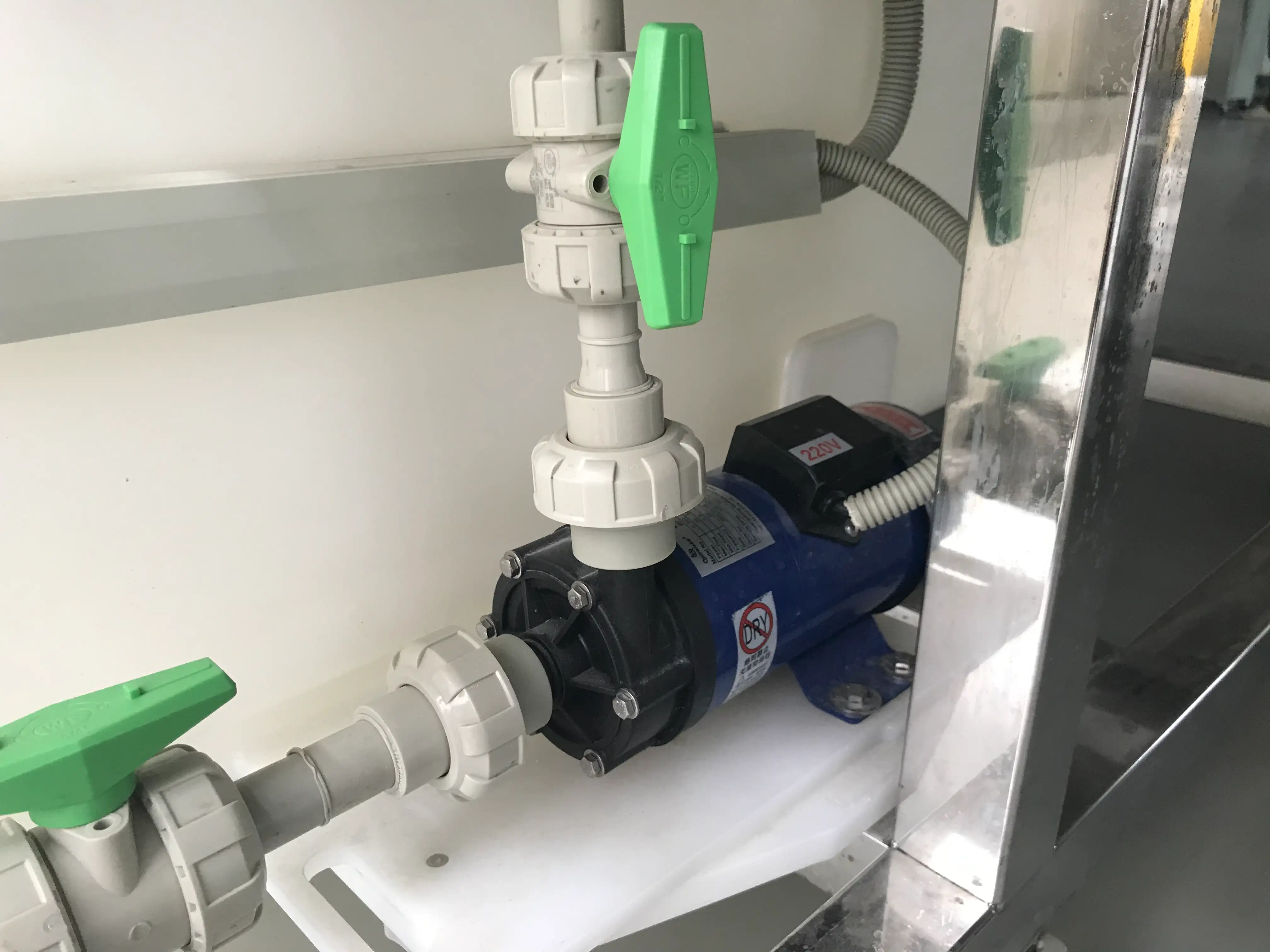
Digital vs. Mechanical Metering Pumps
The industry is rapidly shifting toward digital smart metering pumps. Traditional mechanical pumps rely on manual stroke adjustment, which often lacks the resolution required for modern semiconductor or electroplating lines. Digital pumps utilize advanced microprocessor control to provide pulse-free flow and real-time feedback. This transition allows operators to adjust dosing parameters from a remote control room via PLC integration.
- High turndown ratio for versatile dosing ranges.
- Built-in diagnostics to detect air locks or suction blockages.
- Active voice control interfaces for easier calibration.
- Compatibility with a wide range of corrosive reagents.
Integrating Flow Meters for Automation
To achieve a truly automated dosing system, we recommend pairing your dosing pump with a digital flow meter. While a standard Rotameter is excellent for on-site visual checks, electromagnetic flow meters provide the real-time data necessary for closed-loop control. However, ensure that your media does not contain solids or magnetic particles, as these will interfere with electromagnetic sensor accuracy.
Our smart dosing solutions can reduce chemical waste by up to 15%. Inquire now for a free system audit!
Maintenance Protocols for Dosing Systems
Consistent maintenance is mandatory for metering accuracy. In the PCB industry, we often see dosing lines blocked by crystallization. To prevent this, implement a monthly pipe de-scaling routine. When replacing pump seals, always manually rotate the pump head for at least 5 revolutions to ensure there is no mechanical resistance before turning on the power.
- Check valve seats for debris every 500 operating hours.
- Calibrate the flow rate quarterly using a graduated cylinder.
- Inspect the suction tubing for aging or cracks to prevent “air binding.”
- Use PVDF fittings for high-concentration oxidizers.
Maximizing Process Efficiency
In conclusion, the right chemical pump and dosing configuration will drastically improve your production yield. By selecting high-grade materials like PVDF or PTFE and utilizing digital control, you ensure a safe, efficient, and precise operation. At Qeehua Pump, we provide the full ecosystem, from the tank to the valve, ensuring your one-stop dosing needs are met with German-level quality.
