

Learn how to eliminate vibration and static in PCB etching pumps to protect fine circuits and enhance yield.
Table of Contents
Introduction to PCB Etching Precision
The Printed Circuit Board (PCB) manufacturing industry is moving towards higher precision, thinner lines, and denser layouts. In this context, the etching process—where excess copper is removed to form the circuit pattern—is critical. While much focus is placed on chemical concentrations and etching speeds, the mechanical components driving these fluids, specifically the pumps, often determine the consistency of the final product. Even microscopic disruptions in the flow or subtle mechanical vibrations can lead to scratches, uneven etching, or “thin-line” breakages that compromise the entire board. This article explores how proper pump selection and maintenance are foundational to modern PCB production.
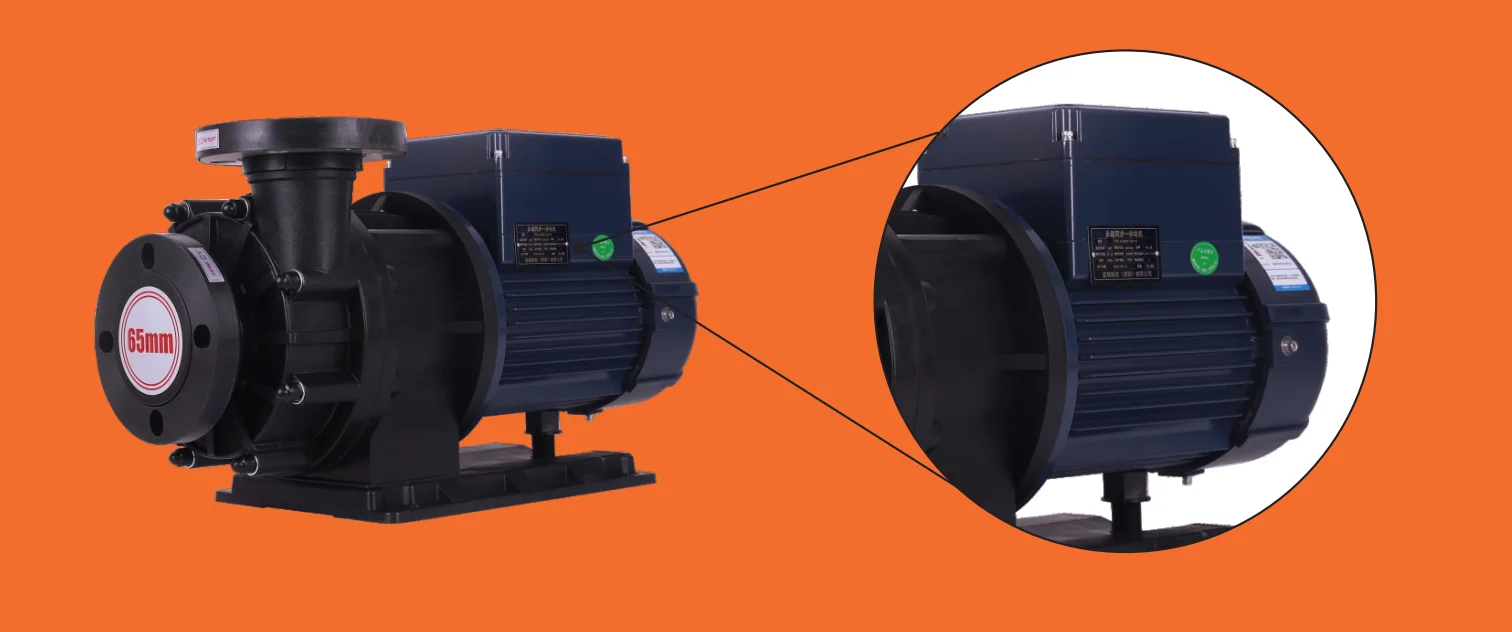 Figure 1: High-efficiency energy-saving pumps integrated into a modern PCB etching line.
The Hidden Threat: Pump Vibration in Fine Line Etching
In high-precision PCB manufacturing, vibration is a silent enemy. When magnetic pumps or vertical pumps operate on a PCB line, excess vibration can be transmitted through the piping to the etching spray headers. This micro-vibration causes the chemical spray to oscillate, leading to “ghosting” or uneven etching rates across the panel. According to industry data, misaligned pump couplings are a primary source of this issue. For etching lines, the coaxial alignment should be kept strictly within 0.03mm to ensure smooth operation. Utilizing an integrated magnetic drive pump can eliminate traditional coupling issues, significantly reducing the vibration signature in cleanroom environments.
Static Electricity and Its Impact on High-Frequency Circuits
Many PCB manufacturers overlook the role of static electricity within their piping systems. When high-velocity fluids move through non-conductive plastic pipes, such as standard PP or PVDF, static charges can build up. In the production of high-frequency or ultra-fine line PCBs, a sudden static discharge can actually damage the delicate copper traces or leave micro-scale defects that result in future circuit failure. The solution lies in using anti-static PVDF materials for the piping and ensuring the entire pump assembly is grounded with a resistance of less than 4Ω. This specialized approach ensures that the chemical environment remains electronically neutral, protecting the integrity of the boards.
Optimizing Suction Piping for Uniform Flow
A common installation error identified in the field is using suction pipes that are smaller than the pump’s inlet. This “necking” effect creates turbulence and localized pressure drops, leading to cavitation. For etching chemicals, which are often prone to foaming or degassing, consistent suction is vital. The rule of thumb is that the suction pipe diameter should always be greater than or equal to the pump inlet diameter. Furthermore, using eccentric reducers instead of concentric ones prevents air pockets from forming at the top of the pipe, ensuring a steady, bubble-free flow to the etching nozzles. Consistent pressure translates to uniform chemical contact, which is the cornerstone of high-yield PCB fabrication.
Proactive Maintenance Schedule for PCB Pumps
Maintenance should not be reactive. In a PCB facility, where downtime can cost thousands of dollars per hour, a structured schedule is essential. Weekly inspections should focus on detecting early signs of leakage at the flange joints and monitoring the temperature of the motor housing. Monthly, the pump’s foundation should be checked for signs of chemical corrosion; if the epoxy resin layer on the base is compromised, it must be repaired immediately to prevent the pump from shifting. For facilities using vertical pumps, ensuring a minimum immersion depth of 200mm prevents the vortex-induced suction of air, which can otherwise lead to uneven chemical distribution in the plating or etching baths.
Achieving Zero-Defect Production with QEEHUA
The path to zero-defect PCB production requires attention to the smallest details of the fluid management system. By addressing pump vibration, managing static electricity, and optimizing piping layouts, manufacturers can significantly improve their line consistency. At QEEHUA Pump, we provide comprehensive chemical pump solutions designed specifically for the unique challenges of the PCB industry. Our systems prioritize energy efficiency, chemical compatibility, and mechanical stability to ensure your production remains at the cutting edge of technology.
