

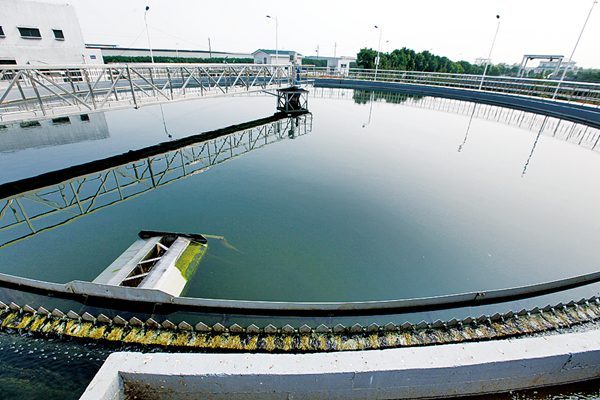
Industrial wastewater neutralization pump selection should begin with the pH control duty, reagent chemistry, tank volume, mixing behavior, dosing range, and material compatibility. The pump is only one part of the loop. If the pH probe is slow, the mixer is weak, the dosing point is poorly placed, or the reagent concentration is too aggressive for the wet end, even a well-made pump can create overshoot, chemical waste, and unstable discharge readings.
A common buyer mistake is to ask for “a pump for acid and alkali wastewater” without saying whether the plant is correcting a batch tank, a continuous side stream, or a final discharge tank. Those are different applications. A batch system may need repeatable small shots and enough mixing time before the next dose. A continuous system may need smoother metering, signal control, backpressure stability, and alarms when flow or pH moves outside the expected range.
Neutralization is a control loop, not only a pump choice
Neutralization looks simple on a drawing: tank, pH probe, controller, acid pump, caustic pump, mixer, discharge. In the plant, the loop has delay. Chemical enters at one point, mixes unevenly for a short period, reaches the probe later, and then the controller reacts. If the pump output is too coarse for the tank volume, the pH can jump past the setpoint before the probe catches up. If the pump is too small, the tank may never recover during a high-load event.
The U.S. EPA’s pH fact sheet is a reminder that pH is not a linear concentration scale. A small-looking pH change can represent a large change in hydrogen ion activity. For pump selection, that means the dosing range and control response deserve more attention than the motor size alone.
In metal finishing, PCB, electronics, plating, cleaning, and general chemical manufacturing, the wastewater can shift quickly. A rinse tank dump may dilute the stream. A spent acid bath may push it sharply acidic. Caustic cleaning waste may arrive at high pH with surfactant or suspended solids. The neutralization pump has to work with these changes without turning every correction into an overshoot.
South Fork Instruments describes an automatic pH balancing system as one where a pH sensor, controller, chemical pumps, and agitators work together for adjustment and mixing. That sensor-controller-pump-mixing relationship is the core selection point. If one part is weak, the pump gets blamed because it is the moving component, but the root cause may be signal delay, poor injection location, or inadequate mixing.
For QEEHUA projects, this is why the application discussion should include the control method. Manual dosing, on/off dosing, proportional signal control, batch correction, and PLC-controlled metering do not ask the same thing from a pump. A procurement sheet that only lists maximum liters per hour can miss the low-end dosing stability that actually determines pH quality.
Start with the wastewater data before selecting the pump
The first engineering step is to describe the wastewater, not the pump. pH range is important, but it is not enough. The supplier also needs the neutralizing chemical, concentration, temperature, solids, possible crystallization, viscosity, suction condition, discharge pressure, and how often the correction happens. If the stream contains metal hydroxide sludge or fine particles, a clean-water dosing assumption may fail quickly.
| RFQ data field | Why it matters | What to avoid |
|---|---|---|
| Influent pH range and variation | Defines the correction strength and likely dosing turndown. | Do not provide only one average pH if peak events drive pump size. |
| Neutralizing reagent and concentration | Controls material compatibility, vapor, heat, and safety handling. | Do not write only “acid” or “alkali”. Name the chemical and concentration. |
| Tank volume, flow, and batch time | Determines whether the pump needs small pulses, continuous feed, or high recovery capacity. | Do not size only for maximum flow if normal operation needs stable low dosing. |
| Mixing and injection point | Affects pH probe response and overshoot risk. | Do not inject chemical directly beside the probe unless the design intentionally accounts for it. |
| Solids, crystals, or sludge | Changes valve, diaphragm, suction, and maintenance decisions. | Do not assume a metering pump head stays clean in untreated wastewater. |
For sodium hydroxide correction in PCB wastewater, QEEHUA already has a dedicated discussion of sodium hydroxide dosing pump selection. That article is chemical-specific. The neutralization topic here is broader: it asks how the whole wastewater loop should be specified when acid and caustic dosing may both appear in the same treatment area.
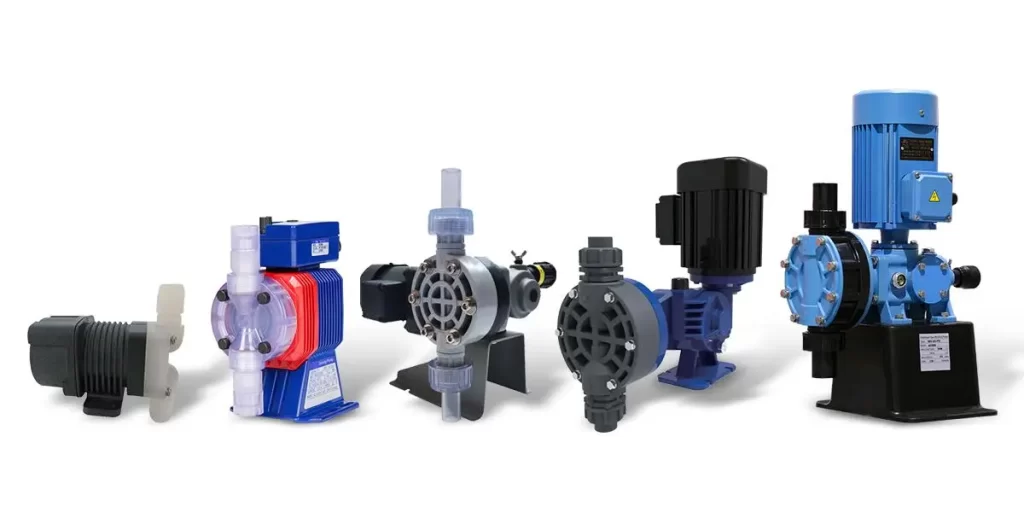
The pump style depends on the job. A chemical metering pump is often preferred for controlled acid or caustic feed because the process needs repeatable dosing instead of simply transferring liquid. A centrifugal corrosion-resistant pump may fit circulation, transfer, or recirculation around a treatment tank, but it is usually not the primary answer for tiny proportional dosing. A pneumatic diaphragm pump may fit chemical transfer or sludge-tolerant duties, yet it needs the right accessories if precise dosing is expected. QEEHUA’s article on industrial diaphragm pumps for wastewater is useful when the duty is transfer, sludge handling, or a non-metering chemical movement rather than pH trim dosing.
Dosing accuracy, mixing time, and pH lag
A neutralization pump is selected against both maximum demand and useful minimum output. The maximum case handles the worst influent load or recovery time. The minimum case handles steady trimming near setpoint. Oversizing can be just as irritating as undersizing because each stroke or on/off cycle may add more reagent than the tank can absorb before the probe reacts.
Metering-pump suppliers often discuss turndown, repeatability, backpressure, and chemical feed variables. PSG Dover’s Neptune white paper on chemical metering pumps for treatment-plant systems is one example of how wastewater chemical feed decisions depend on pump technology, operating pressure, and dosing conditions. For industrial buyers, the practical takeaway is to ask for the controllable range, not only the top capacity.
Backpressure also matters. A metering pump without enough stable discharge pressure may feed unevenly. A long injection quill, clogged point, or changing tank level can move the pump away from the behavior seen during bench testing. If the line has pulsation, a damper, calibration column, backpressure valve, relief valve, or proper injection assembly may be part of the real pump package.
Mixing is the quiet partner in the loop. If the mixer is too weak, the probe sees old liquid while the tank contains untreated zones. If the injection point is too close to the probe, the controller may see a chemical plume and stop dosing too early. If the probe is dirty or slow, the pump may keep feeding until the tank overshoots. Digital Analysis explains the logarithmic nature of pH measurement, which is one reason these control delays can look small on a screen but large in treatment performance.
Field commissioning should include a slow observation period. Watch how the pH changes after one dosing event. Check whether the reading moves smoothly or jumps after mixing. Confirm the pump can prime at low stroke or low speed. Look for trapped gas in the suction line when using sodium hypochlorite or other gas-releasing chemicals. If the flowmeter drifts, the pump may be correct while the signal is wrong.
Materials and reagents that change the pump answer
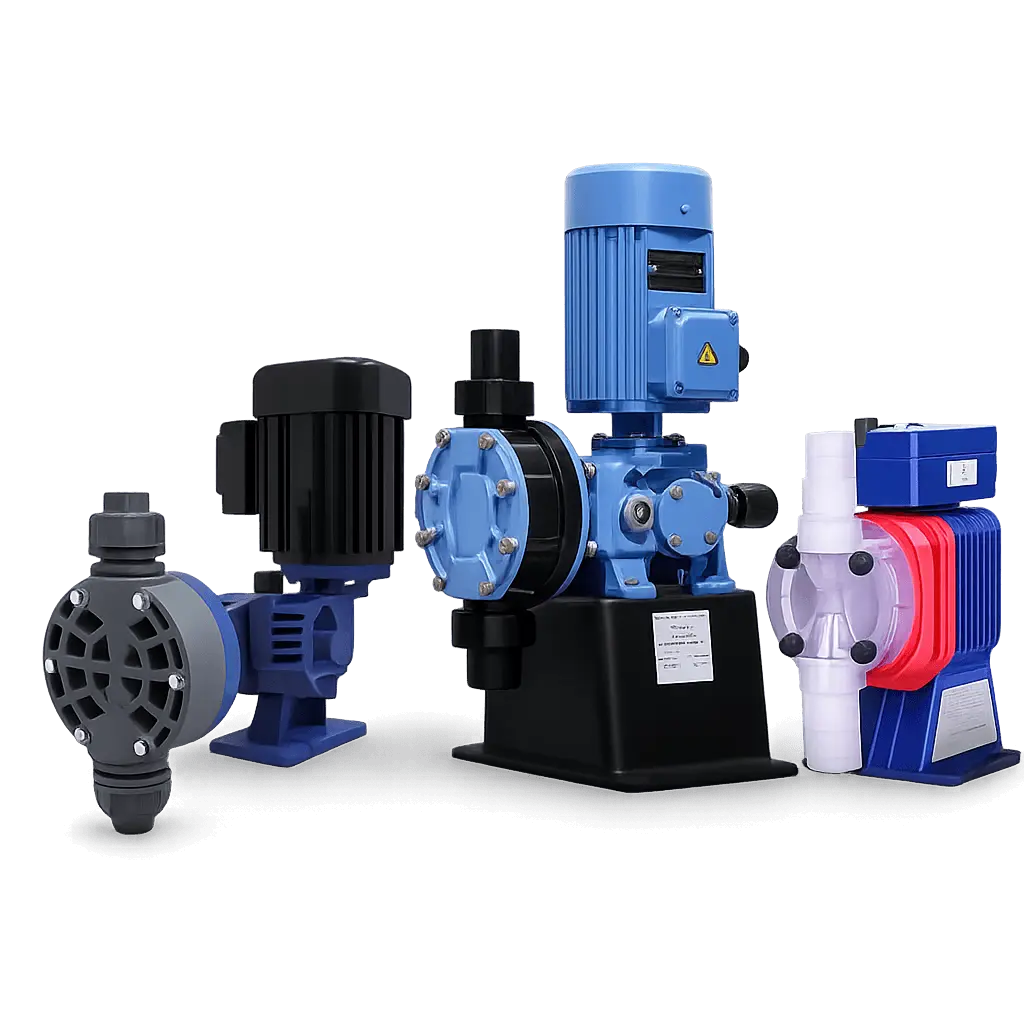
Neutralization often uses acids and alkalis, but the details change the wet-end decision. Sodium hydroxide can attack some materials and may crystallize under certain handling conditions. Hydrochloric acid brings fume and corrosion concerns. Sulfuric acid concentration and temperature change compatibility decisions. Sodium hypochlorite can off-gas and challenge priming. Hydrogen peroxide is an oxidizer and requires careful material review. Mixed wastewater may include surfactant, metal salts, fine solids, or heat from reaction.
QEEHUA’s chemical-specific pages help keep this broader article from becoming too vague. For example, the article on sodium hypochlorite pump selection in PCB wastewater covers a different reagent risk from the sodium hydroxide page. The article on hydrogen peroxide pump selection is another reminder that oxidizing behavior can change the material and safety conversation.
For the pump RFQ, the safe wording is chemical name, concentration, temperature, solids, and cleaning method. A line that says “wastewater” may hide the one chemical that decides the elastomer, diaphragm, valve ball, or pump-head material. In a plant that alternates acid and caustic cleaning, also state whether the same pump ever sees both chemicals. Do not assume compatibility across campaigns without supplier confirmation.
Installation material is part of the selection. Tubing, foot valves, strainers, calibration columns, injection quills, backpressure valves, relief lines, and drain hoses can fail before the pump head does. A good supplier answer should mention the accessories that keep the pump operating in the expected range. A low-price pump without the right suction and discharge accessories may become expensive during commissioning.
Field check: if pH is unstable, do not replace the pump first. Check reagent concentration, suction bubbles, injection point, mixer operation, pH probe cleaning, backpressure, and whether the dosing range is too coarse for the tank volume.
RFQ checks that make supplier answers comparable
When three suppliers quote a neutralization pump, the cheapest answer may simply be the one with the most assumptions missing. Make the assumptions visible. Ask each supplier to state the recommended pump type, wet-end material, diaphragm or seal material, rated capacity, expected operating range, maximum discharge pressure, suction lift limits, accessory list, and what interlocks they expect in the control panel.
Ask for the operating range in the same units your plant uses. If the PLC signal is 4-20 mA, ask how pump output responds to that signal. If the plant uses manual stroke adjustment, ask how operators will verify actual feed. If the pump must sit above a chemical drum, ask about priming and foot-valve behavior. If the chemical off-gasses, ask about degassing heads or suction arrangement. If the line runs outdoors, ask about temperature and UV exposure.
Acceptance testing should not stop at turning the motor on. Confirm the pump primes from the real chemical container, not only from clean water. Use a calibration column or timed drawdown check to compare commanded output with actual feed. Watch whether the discharge line holds backpressure after the pump stops. Confirm the relief line returns to a safe container, not to the floor or a closed valve. Clean the pH probe and then observe one controlled dosing cycle so the operator can see the normal delay between pump stroke, mixing, and pH movement.
The handover document should name the spare diaphragm, valve ball, seal, tubing, injection quill, and compatible cleaning method. It should also state who is allowed to change reagent concentration or controller settings. Many pH problems begin after a drum concentration changes while the pump stroke setting stays the same. That is a process change, not a pump fault, and the maintenance record should make it visible.
Probe care belongs in the same handover, because a dirty or drifting probe can make a good pump look unstable. Record the cleaning interval, buffer calibration method, replacement trigger, and where operators should sample the tank manually when the reading looks suspicious. If the controller allows alarm deadband or delay settings, document the starting values. Future troubleshooting becomes much easier when maintenance can compare today’s behavior against a known commissioning baseline instead of guessing from memory.
For export procurement, trust signals are useful, but they should be used correctly. A social profile does not prove chemical compatibility or dosing accuracy. It can, however, help a buyer see whether a supplier is active, reachable, and showing real products, exhibitions, or factory updates. QEEHUA-owned visual materials can support supplier-presence checks when buyers want to see real products, manufacturing context, or application demonstrations. Technical claims still need curves, materials, drawings, and application review.
Documentation should include a curve or performance range, material list, connection size, voltage, control signal, manual, spare parts, and installation notes. For wastewater neutralization, also ask how to handle calibration, pump priming after chemical drum replacement, and safe relief-line return. Those small details decide whether the system is easy for operators to keep stable.
There is one more comparison point: whether the supplier asks questions. If a supplier quotes immediately from only “pH wastewater pump,” the quote may be too generic. A better supplier will ask about pH range, reagent, concentration, tank volume, control method, solids, temperature, duty cycle, and accessory needs. That questioning is not delay; it is part of the engineering work.
QEEHUA can support wastewater neutralization packages by helping buyers separate dosing duties from transfer and circulation duties. A metering pump may handle acid or caustic trim. A corrosion-resistant centrifugal or magnetic-drive pump may support circulation, transfer, or process-side chemical movement. A diaphragm pump may fit certain wastewater transfer or chemical handling points. The correct answer depends on the loop.
For a neutralization pump RFQ, send the pH range, reagent, concentration, tank volume, control method, flow range, solids, and installation sketch to info@qeehua.com so QEEHUA can review pump type, material, and accessory boundaries before selection.
The best neutralization pump selection is usually not the most dramatic one. It is the pump that can feed the real reagent at the required low and high rates, resist the actual chemical, prime reliably, work with the controller, and let the operator see what is happening. Stable pH comes from the whole loop behaving honestly. For dosing stability problems after startup, the related QEEHUA article on chemical metering pump pulsation and dosing accuracy is a useful next diagnostic check.
FAQ
What pump is usually used for wastewater pH neutralization dosing?
A chemical metering pump is commonly used when the duty requires controlled acid or caustic dosing. Transfer, circulation, or sludge-handling duties may need a different pump type, so the wastewater loop should be defined before selecting a model.
Why does pH overshoot even when the dosing pump works?
Overshoot can come from an oversized pump, slow pH probe, poor mixing, injection too close to the probe, unstable backpressure, or a control signal that reacts after the chemical has already entered the tank.
What data should be sent for a neutralization pump quote?
Send influent pH range, reagent name and concentration, dosing flow range, tank volume, wastewater flow, temperature, solids, discharge pressure, suction condition, control method, and the expected operating rhythm.
Can one pump dose both acid and caustic?
It is usually better to use separate pumps and lines for acid and caustic. If one pump is expected to see both chemicals, the supplier must confirm compatibility, flushing method, and safety procedure for the full chemical range.
A dosing check before the pump is selected
Neutralization is not only a pump-capacity question. The pump must match the reagent strength, the pH control response, the tank volume, and the mixing time. A useful first estimate is: dose per hour = wastewater flow × required reagent dose per unit volume. Pair that estimate with the discharge target described in the U.S. EPA pH fact sheet for industrial users. That estimate still needs lab or plant data, because pH response is not linear. Near neutral pH, a small reagent change can move the reading more than expected.
For compliance screening, many wastewater references use pH ranges near 6.0 to 9.0 for discharge limits, but the exact permit or local sewer rule controls the real target. The pump selection should therefore start from the control band, not from a generic neutral pH of 7.0. In the field, the common trouble is overshoot. The pump doses too much acid or caustic, the mixer needs time to catch up, and the controller then pushes in the other direction.
Before quoting, record influent pH range, wastewater flow, tank volume, reagent concentration, mixer condition, sensor location, control signal, and expected operating rhythm. If the line runs in batches, include batch size and reaction time. If it runs continuously, include minimum and maximum flow. These numbers decide whether the system needs a small metering pump, a larger transfer pump feeding a dosing loop, or a different control layout.
