

Magnetic Drive Pumps: Complete Industrial Guide
What is a Magnetic Drive Pump
A magnetic drive pump is a type of centrifugal pump that uses magnetic coupling instead of a traditional shaft seal. This design eliminates leakage and significantly improves safety when handling hazardous fluids.
Unlike conventional pumps, a magnetic drive pump transfers torque through a magnetic field. This allows the impeller to rotate without direct mechanical contact.

These pumps are widely used in industries where leakage control is critical. Typical sectors include chemical processing, electroplating, and wastewater treatment.
To understand the fundamentals in more detail, see how magnetic drive pumps work.
How It Works
The core principle of a magnetic drive pump is magnetic coupling. The motor drives an external magnet, which in turn drives an internal magnet connected to the impeller.
This indirect transmission eliminates the need for mechanical seals. As a result, leakage paths are removed, and maintenance requirements are reduced.
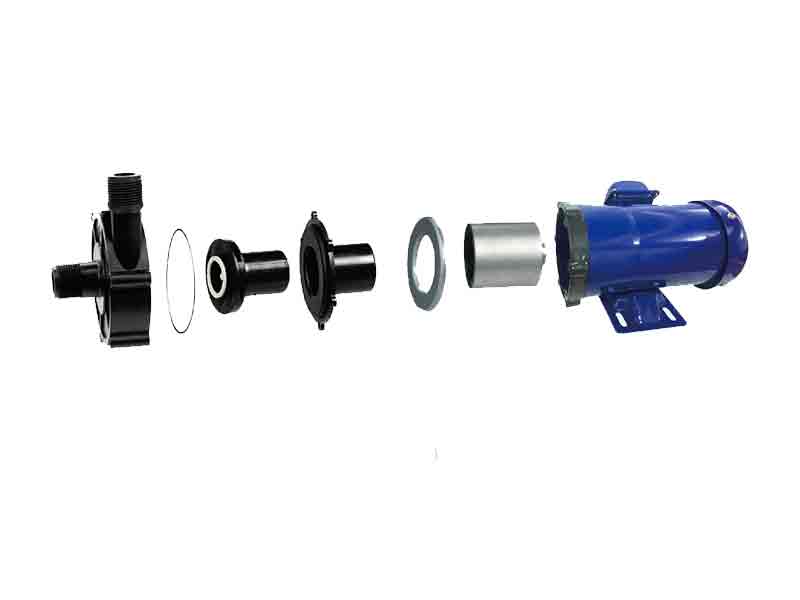
For a deeper breakdown of working principles, refer to magnetic pump working principle.
Because of this design, many industries rely on magnetic drive pumps for handling toxic, volatile, and corrosive liquids safely.
Advantages of Magnetic Drive Pumps
The main advantage of magnetic drive pumps is their leak-free operation. This makes them ideal for handling dangerous chemicals.
Another key benefit is reduced maintenance. Without seals, there are fewer wear components and lower failure rates.
Many industries choose sealless pumps, especially sealless magnetic drive pumps, to improve operational safety and reduce downtime.
Magnetic pumps also offer stable performance under continuous operation. They are widely used in automated production lines.
Magnetic Drive Pumps vs Centrifugal Pumps
A magnetic drive pump differs from traditional centrifugal pumps in its sealing method. Conventional pumps rely on mechanical seals, which are prone to wear and leakage.
In contrast, magnetic vs centrifugal pump comparison shows that magnetic pumps provide better containment and safety.
However, centrifugal pumps may still be preferred in high-flow, low-risk environments.
Choosing between the two depends on fluid characteristics, safety requirements, and operational conditions.
Applications
Magnetic drive pumps are widely used across various industries. Their leak-free design makes them suitable for handling aggressive and hazardous fluids.
Common applications include chemical transfer, electroplating systems, and acid circulation processes.
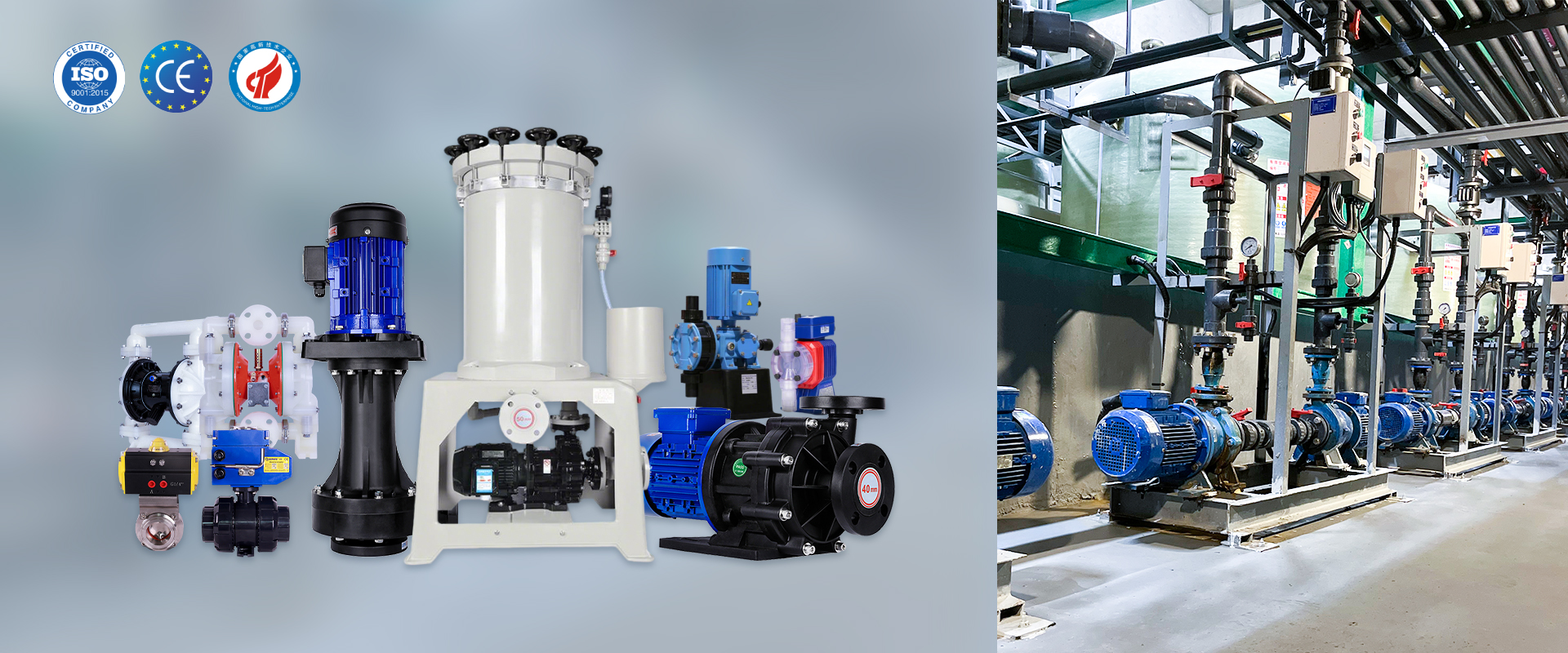
In electroplating, electroplating chemical pumps ensure stable flow and prevent contamination.
They are also used in environmental protection systems such as scrubbers and wastewater treatment.
Corrosion Resistance
Material selection is critical for magnetic drive pump performance. Magnetic drive pumps are often made from corrosion-resistant materials such as PVDF and ETFE.
These materials allow the pump to handle strong acids and alkalis without degradation.

Learn more about corrosion-resistant pumps and their material advantages.
Proper material selection extends equipment lifespan and reduces maintenance costs.
How to Select a Magnetic Drive Pump
Selecting the right pump requires evaluating several factors. These include flow rate, head, fluid properties, and operating environment.
It is important to match pump specifications with process requirements. Incorrect selection can lead to inefficiency or equipment failure.
For industrial buyers, working with experienced magnetic pump manufacturers ensures proper selection and technical support.
You should also consider long-term maintenance, spare parts availability, and system compatibility.
By understanding these factors, businesses can improve efficiency and reduce operational risks.
