

Master the sealless magnetic drive pump principle. Learn how to select and maintain magnetic pumps for chemical safety.
Table of Contents
1. Understanding the Sealless Magnetic Drive Pump Principle
In the world of chemical fluid handling, the magnetic pump working principle represents a peak in engineering efficiency and safety. Unlike traditional centrifugal pumps that rely on mechanical seals, magnetic drive pumps use a magnetic coupling to transmit power. This design eliminates the physical connection between the motor and the impeller, creating a completely sealed environment.
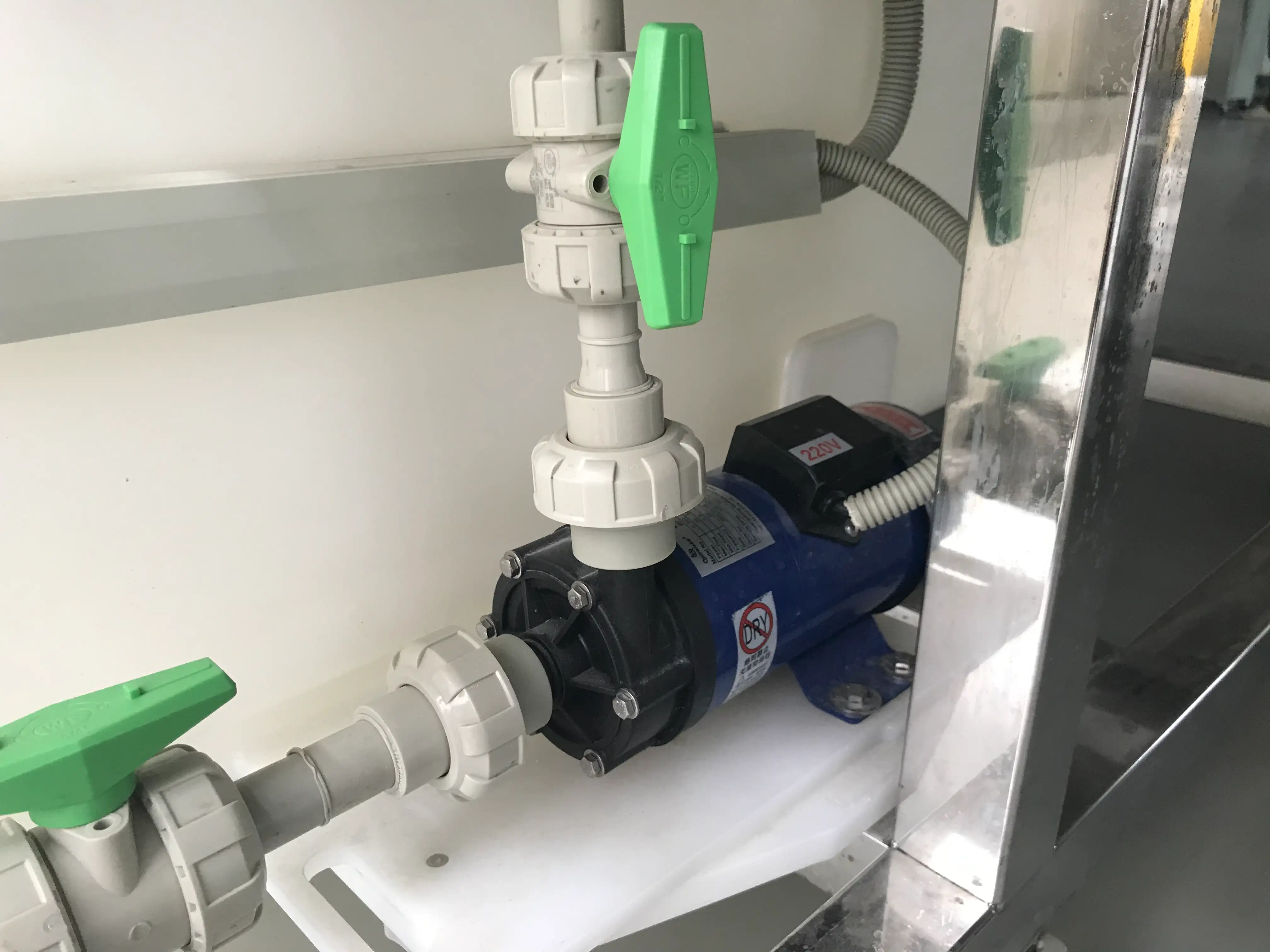 Figure 1: High-efficiency MD series sealless magnetic drive pump.
The core components include an outer magnet (driven by the motor) and an inner magnet (connected to the impeller). As the motor spins the outer magnet, the magnetic field passes through a containment shell, forcing the inner magnet to rotate. This “sealless” design is critical for preventing leaks of hazardous or precious chemicals. In mining and wastewater treatment, where reliability is non-negotiable, these pumps are preferred for their zero-leakage performance.
2. Key Advantages in Corrosive Liquid Handling
Traditional pumps often suffer from seal failure, especially when handling aggressive fluids like sulfuric acid or caustic soda. A sealless magnetic drive pump avoids these “pain points” by removing the seal entirely. This not only reduces maintenance costs but also protects the environment and personnel from toxic exposure.
According to industry insights, magnetic pumps are widely used in specialized sectors such as mining and high-end electroplating. Their ability to handle high-purity chemicals without contamination makes them the “gold standard” for sensitive processes. Are you struggling with frequent seal replacements? Contact our technical team today for a custom leak-proof solution.
3. Crucial Selection Criteria for Industrial Applications
When selecting a pump, it’s not just about the flow rate. You must consider the chemical compatibility of the pump materials, typically FRPP, PVDF, or ETFE. For example, PVDF is highly recommended for strong acids and high-temperature applications.
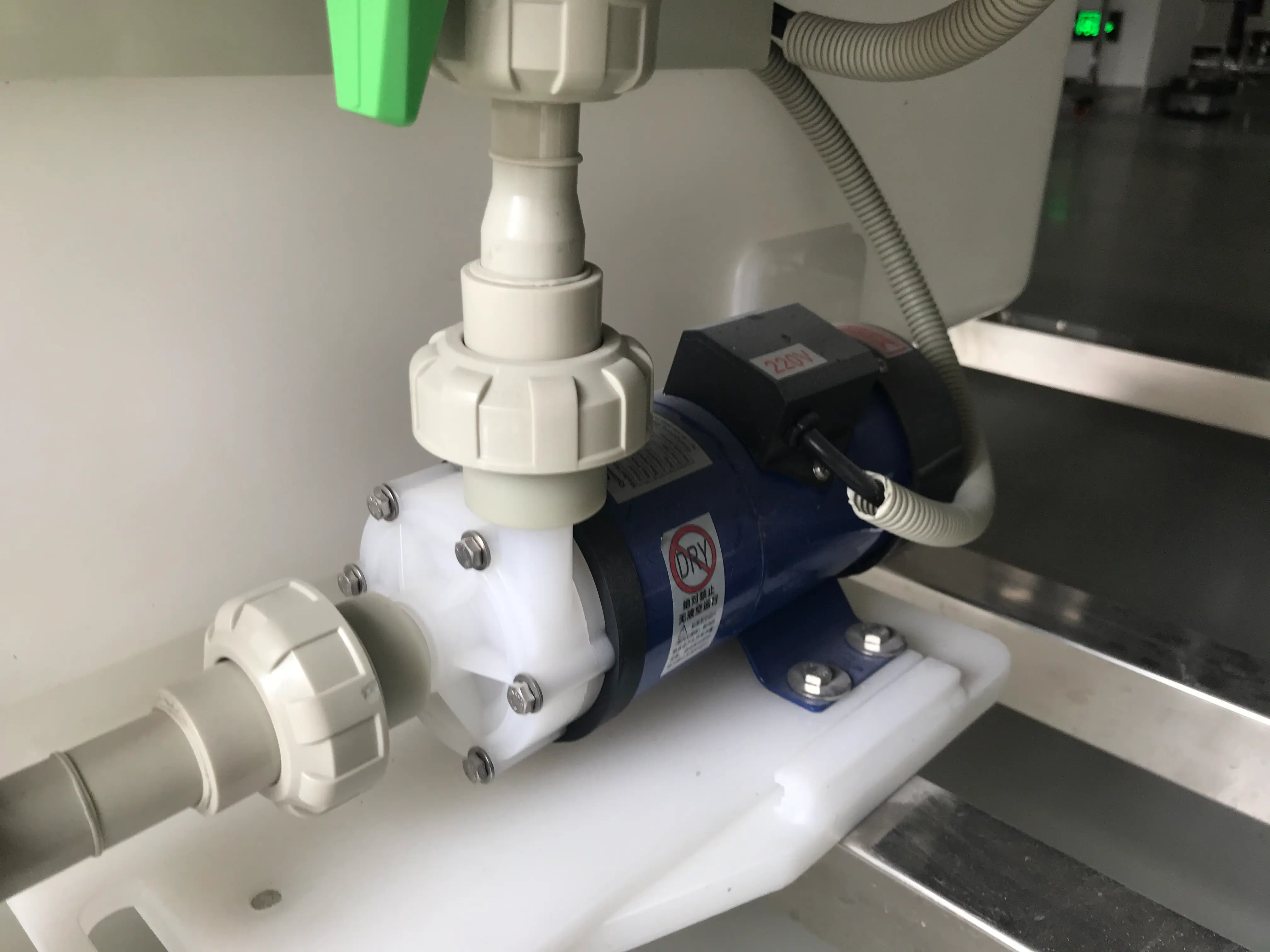
Furthermore, understanding the pressure requirements (head) is essential. As noted in our training sessions, matching the pump to the correct pipe fittings—like reducers and elbows—can significantly impact performance. Using a 45° elbow instead of a 90° elbow can reduce resistance and improve energy efficiency.
4. Maintenance Tips to Extend Pump Longevity
While magnetic pumps require less maintenance, they are not “maintenance-free.” Dry running is the most common cause of failure. Implementing sensors or automated control systems via digital flow meters can prevent this issue. Additionally, ensuring proper alignment of the magnetic coupling is vital; a misalignment of just 0.05mm can lead to vibration and premature wear on the bearings.
5. Conclusion: Why Choose QEEHUA Magnetic Pumps?
At QEEHUA, we combine years of industry experience with a commitment to quality. Our one-stop service ensures you get not just a pump, but a complete fluid handling system including acid pumps, valves, and flow meters. We help you transition from traditional, leaky equipment to modern, sealless efficiency.
