

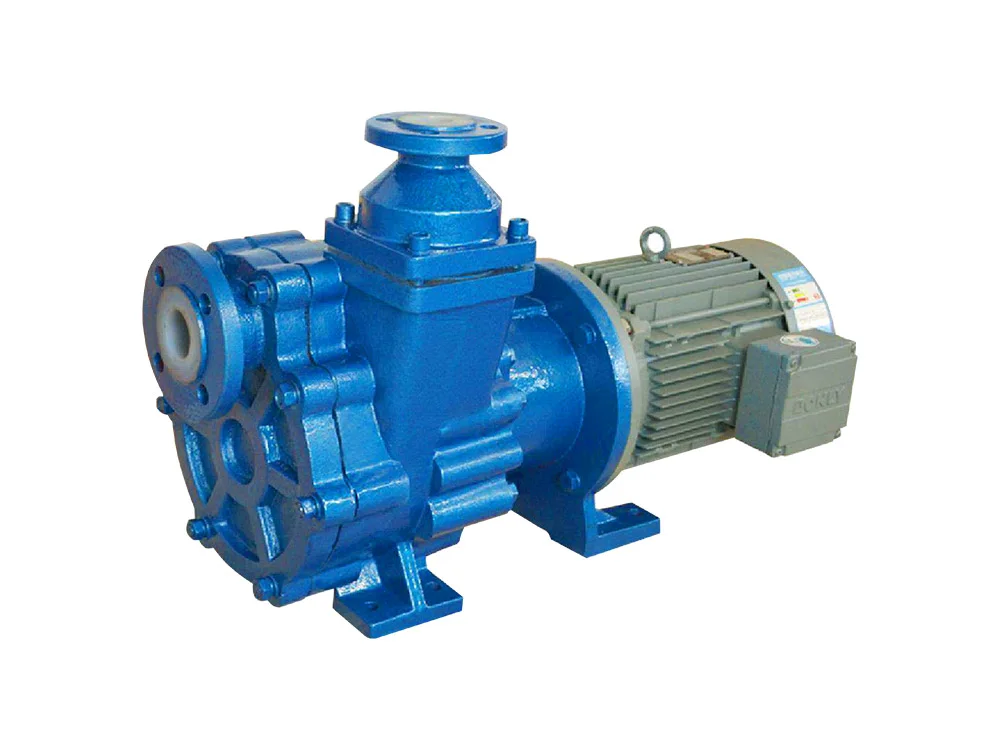
A chemical pump skid in a PCB wet process area should be treated as more than a pump, baseplate, and pipe set. It is a potential release point for acids, alkalis, oxidizers, etchants, and wastewater treatment chemicals. Secondary containment and leak detection do not make a bad pump good, but they reduce the time between a primary leak and a controlled shutdown.
This article explains how to specify containment volume, slope, leak sensors, and shutdown logic for QEEHUA chemical pump skids. The scope is engineering selection, not legal advice. Site compliance teams should confirm local requirements, especially when hazardous waste or bulk chemical storage is involved.
Containment Purpose
Secondary containment should catch leaks, keep incompatible chemicals separated, prevent floor drain release, and give operators a clear response signal. EPA’s 40 CFR 264.175 container containment language describes an impervious base, drainage or liquid removal design, and capacity based on either 10% of total container volume or the largest container volume, whichever is greater. A pump skid is not always that exact regulatory case, but the engineering idea is useful: containment must be sized from a credible release volume, not from visual appearance.
Self-review summary: technical review kept containment recommendations as design checks, not universal legal claims. SEO/GEO review narrowed the article around chemical pump skids, leak volume, sensors, and shutdown logic.
Quantified Leak Data
| Data point | How to quantify | Why it matters | Design response |
|---|---|---|---|
| Pump casing hold-up | Liters inside casing and nearby pipe | Defines small leak volume | Leak tray and sensor point |
| Connected drain-back | Volume that can siphon after shutdown | Often larger than pump hold-up | Check valve, isolation valve, or higher containment |
| Maximum credible leak | Largest hose, flange, or seal release before shutdown | Defines emergency response volume | Containment volume and alarm delay |
| Sensor height | mm above containment low point | Determines detection time | Low mounted sensor with false-alarm filtering |
| Removal method | Manual vacuum, drain valve, transfer pump, or neutralization route | Collected liquid must be removed safely | Written response and compatible tools |
Leak containment should also be linked to existing QEEHUA pump interlock logic. A leak sensor that only lights a local lamp is weak. The signal should stop the pump, close the right valve when available, and call an operator response.
Sensor And Trip Logic
Place the sensor at the containment low point, protected from splash but close to real leak flow.
Use a 5-10 second filter only when splash false alarms are common.
Send alarm to local HMI and maintenance within 30-60 seconds.
Trip the pump if liquid is detected or level rises beyond warning point.
Close isolation valve or stop feed source when the process allows it.
Log time, chemical, volume, pump state, and response action.
Worked Volume Example
Assume a pump skid handles alkaline cleaner. The pump and local pipe hold 8 L. The discharge line can drain back 22 L if a check valve fails. The maintenance team wants a 25% design margin for splash, slope, and sensor response.
Containment target = (8 L + 22 L) x 1.25 = 37.5 L. Round up to at least 40 L usable containment volume, then confirm that the sensor triggers before liquid reaches cable glands, motor feet, or floor drains.
If the same skid is connected to an open tank, also review tank low-level protection and suction layout. The existing QEEHUA article on vertical pump submergence shows why tank level and vortex prevention are part of release prevention.
Inspection Record
Daily check
- Containment dry and clean.
- Sensor visible and not bridged by sludge.
- No white salt marks, stains, or wet bolts.
- Drain valve closed and tagged.
Monthly proof test
- Sensor tested with compatible liquid.
- Pump trip confirmed.
- Alarm reaches operator station.
- Response time recorded.

Source Notes
EPA container containment rules and training material emphasize impervious containment, drainage or removal of liquids, and capacity based on stored liquid volume. OSHA spill response guidance emphasizes trained workers, proper protective equipment, and established spill control procedures. EPA metal finishing guidance is relevant to PCB and metal-finishing process wastewater.
If leaks are related to seal swelling or elastomer attack, review QEEHUA’s chemical pump O-ring swelling article before changing only the containment tray.
FAQ
How large should chemical pump secondary containment be?
Size it from credible release volume: pump hold-up, pipe drain-back, connected source volume, and response time. Many sites use the largest credible volume plus margin, then verify local regulatory requirements.
Should a leak sensor stop the pump?
For high-risk acids, alkalis, oxidizers, and etchants, a leak signal should normally stop the pump and alert operators. The final logic depends on process safety and whether stopping creates another hazard.
Where should the leak sensor be mounted?
Mount it at the containment low point where leaked liquid will collect quickly, while protecting it from splash, chemical crust, cleaning spray, and mechanical damage.
For oxidizing chemicals where leak and venting risks overlap, compare containment logic with QEEHUA’s sodium hypochlorite pump selection checklist before finalizing the skid layout.
Need a chemical pump skid containment review? Send QEEHUA the chemical, pump layout, pipe hold-up, tank connection, sensor plan, and shutdown requirements. Contact QEEHUA at info@qeehua.com for a pump and skid safety check.
Sources
- 40 CFR 264.175 Containment
- OSHA 1910.120 Appendix C Spill Control Guidance
- EPA Metal Finishing Effluent Guidelines
Final note: containment is an engineered volume, sensor, alarm, shutdown, and removal method. It should not be treated as a tray added after the pump is purchased.
