

High-efficiency magnetic pumps prevent leaks and ensure uniform etching in precision PCB production lines.
Table of Contents
Leak-Free Design in PCB Manufacturing
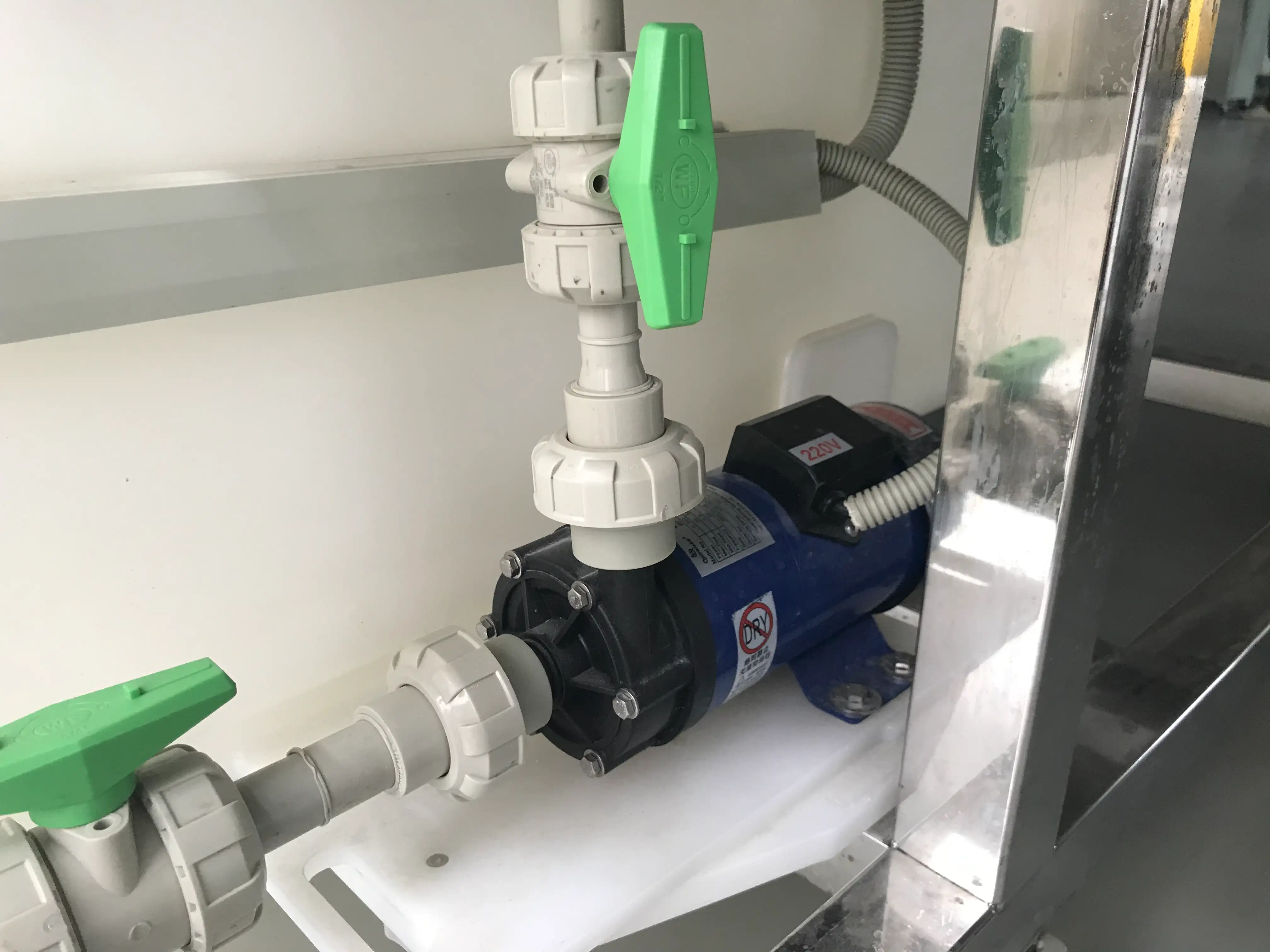
Modern PCB manufacturing requires absolute precision and chemical stability. Magnetic drive pumps utilize a sealless design to eliminate the risk of hazardous chemical leaks. You maintain a cleanroom environment by removing mechanical seals that inevitably wear down. We provide magnetic pumps specifically engineered for etching solutions like ferric chloride and cupric chloride. These pumps utilize high-grade PVDF and CFRPP materials to resist extreme corrosion.
Engineers prefer magnetic drive technology because it protects the motor from chemical exposure. The magnetic coupling transmits torque through a solid containment shell. This isolation ensures that the pumped liquid stays inside the system. QEEHUA pumps deliver consistent flow rates, which is critical for maintaining uniform etching depth across the entire PCB panel surface.
Addressing Common Etching Industry Pain Points
Industry data indicates that 40% of pump failures in PCB lines stem from improper installation or material mismatch. Our research shows that vibration often causes micro-cracks in fine PCB lines. To prevent this, we maintain a coaxiality tolerance of ≤0.03mm for all magnetic couplings. This precision reduces vibration-induced particles that could scratch sensitive circuits.
Another major pain point involves inadequate suction. When the suction pipe diameter is smaller than the pump inlet, flow becomes restricted. This restriction leads to uneven etching and open circuits. We recommend that the suction pipe diameter always exceeds the pump inlet diameter. Incorporating eccentric reducers prevents air pockets from forming in the line.
Technical Specifications for Magnetic Drive Pumps
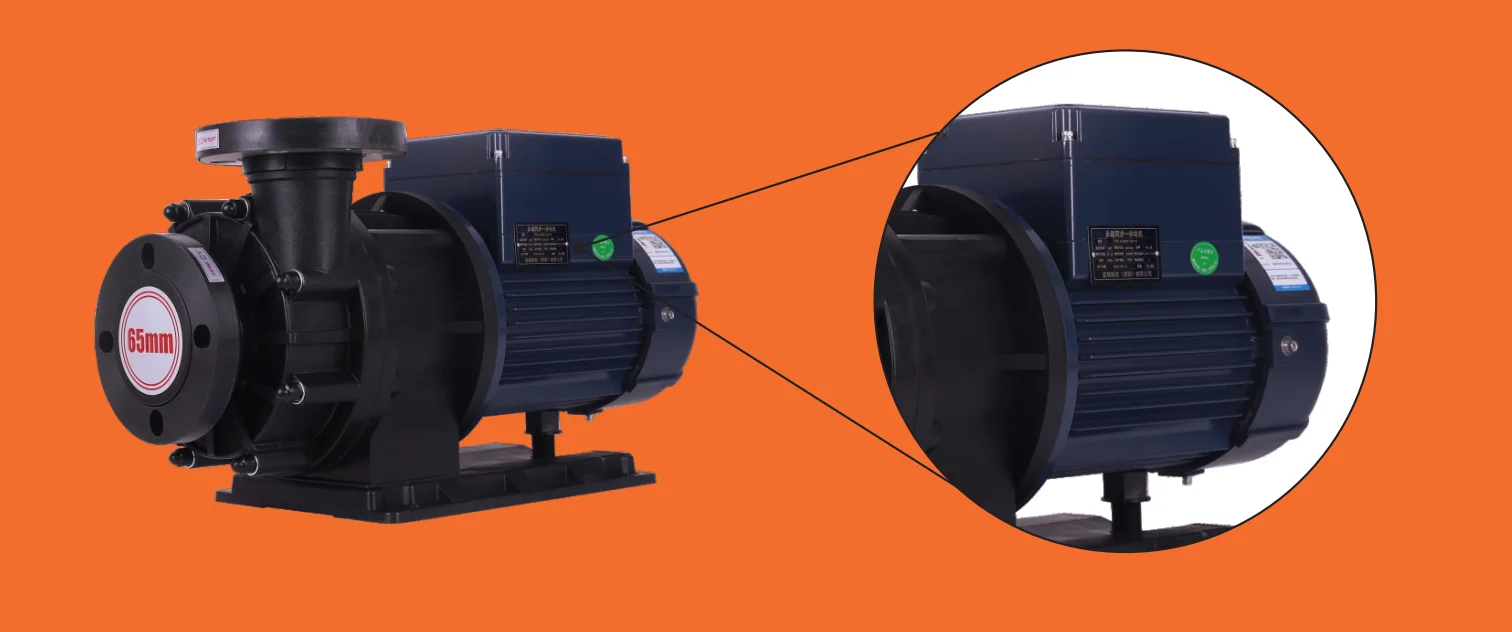
Selecting the right pump requires quantified data. The following table outlines the performance metrics for our primary magnetic drive series used in chemical circulation.
| Parameter | Specification | Industry Standard |
|---|---|---|
| Maximum Flow Rate | Up to 600 L/min | 450 L/min |
| Maximum Head | 35 Meters | 25 Meters |
| Chemical Resistance | pH 0 – 14 | pH 2 – 12 |
| Temperature Range | 0°C to 95°C | 10°C to 80°C |
Our QHX series magnetic pumps feature a patented heat-dissipation design. This design allows the pump to withstand short periods of dry running without catastrophic failure. We utilize high-purity ceramic shafts to minimize friction. The use of carbon-filled PTFE bearings ensures long-term stability in abrasive chemical environments.
Installation Guidelines for Optimal Performance
Proper installation guarantees the longevity of your chemical circulation system. You must cast a level concrete foundation with a flatness of ≤0.1mm/m. Tighten foundation bolts diagonally to ensure even pressure distribution. We recommend installing rubber or spring vibration dampers to isolate the pump from the main piping system.
Maintain a minimum immersion depth of 200mm for suction lines in open tanks. This prevents the formation of vortices that introduce air into the pump chamber. Air ingestion causes cavitation, which erodes the impeller and reduces flow efficiency by up to 30%. Always install a 40-60 mesh corrosion-resistant strainer on the foot valve to protect internal components.
Need a customized chemical circulation solution for your PCB line?
Maintenance and Longevity of Pump Systems
Preventative maintenance prevents costly downtime. Inspect the magnetic capsule and bearings every 3,000 operating hours. Replace worn O-rings immediately to maintain the airtight integrity of the system. We suggest keeping a stock of Viton and EPDM gaskets to handle different chemical chemistries.
Our one-stop service includes not just the pump, but the entire peripheral system. We supply PP tanks, digital flow meters, and pneumatic valves to create a fully integrated chemical handling solution. This integration ensures that every component is chemically compatible and sized correctly for your specific flow requirements.
