

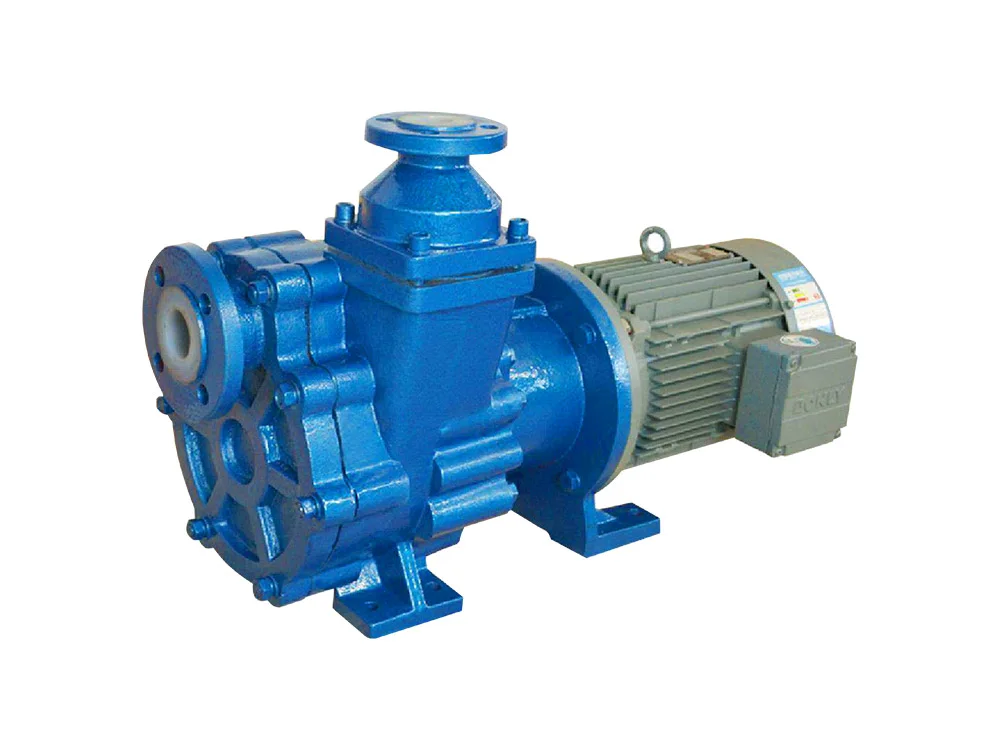
Hydrogen peroxide is used in PCB and metal finishing plants for oxidation, wastewater treatment support, surface cleaning, and some chemical preparation lines. It looks simple because it is water based, but pump selection is not the same as rinse-water transfer. Hydrogen peroxide is an oxidizer, it can decompose into oxygen and water, and gas release can create flow loss, pressure spikes, or pump dry-run damage if the system has poor venting.
For QEEHUA pump selection, the starting point is concentration, temperature, contamination risk, and control logic. A 3-6% cleaning solution, a 27-35% process chemical, and a 50% industrial oxidizer should not be specified with the same pump checklist. The correct pump may be a fluoroplastic magnetic drive pump, a diaphragm metering pump, or a vertical tank pump depending on whether the duty is clean transfer, batch feed, dosing, or open-tank circulation.
Why Peroxide Duty Is Different
Hydrogen peroxide decomposes into water and oxygen. That sounds clean, but inside a pump system it means pressure buildup, gas pockets, loss of prime, and oxygen-rich release risk. The rate of decomposition increases when the liquid is heated or contaminated by catalytic metals, dirt, organics, reducing agents, or incompatible residues. A pump that has handled copper-bearing etchant, reducing cleaner, or organic contamination should not be moved into peroxide service without cleaning and compatibility review.
OSHA lists hydrogen peroxide as a colorless liquid with oxidizing properties, specific gravity 1.39 for a concentrated reference entry, and an IDLH value of 75 ppm. The same OSHA page lists a PEL-TWA and NIOSH REL-TWA of 1 ppm. Those occupational values are not pump sizing numbers, but they explain why leakage, vent routing, and maintenance access matter. A small pump leak in an enclosed dosing room is not only a housekeeping issue.
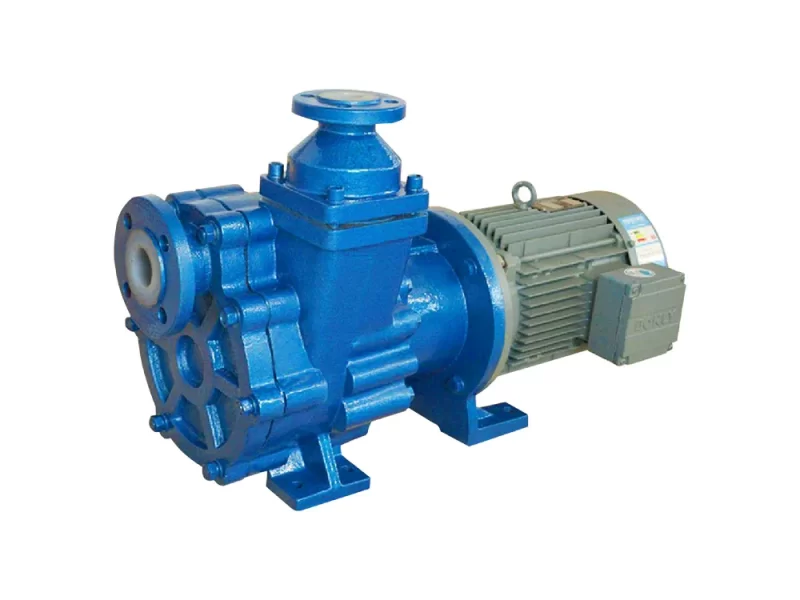
Practical rule: treat hydrogen peroxide as an oxidizing, gas-forming liquid. The pump specification should include concentration, temperature, density, suction condition, vent path, contamination controls, and shutdown logic.
Data Needed Before Selection
The most common mistake is asking for a hydrogen peroxide pump without giving the concentration. In real PCB and wastewater systems, the same chemical name can represent very different risk levels. A supplier should receive enough quantified data to check wetted materials, pump curve, motor load, suction stability, and protection devices.
| RFQ field | Quantified value to provide | Why it matters | Selection risk if missing |
|---|---|---|---|
| Concentration | 3%, 6%, 27%, 35%, 50%, or site-specific value | Oxidizer strength, material stress, and decomposition risk change with concentration. | Pump is selected from a chemical name only. |
| Temperature | Normal and maximum liquid temperature in C | Higher temperature increases vapor and decomposition concern. | Gas release appears after summer operation or heated storage. |
| Specific gravity | Use about 1.10 at 27%, 1.13 at 35%, and 1.20 at 50% as design checks | Motor power and operating point differ from water. | Motor runs near overload or flow shifts from target. |
| Contamination risk | Metals, organics, reducers, sludge, or shared transfer equipment | Contamination can catalyze oxygen release. | Sudden foaming, pressure rise, or unstable discharge. |
| Suction layout | Flooded suction, lift height, pipe length, high points, strainer | Gas pockets reduce centrifugal pump performance. | Flow falls even though the motor is running. |
| Controls | Flow switch, pressure transmitter, low-level trip, leak alarm, E-stop | Peroxide faults should become automatic shutdown events. | Operator discovers the fault after leakage or dry-run damage. |
For clean centrifugal transfer, start from QEEHUA’s general magnetic drive pump chemical selection guide, then tighten the review around peroxide concentration and gas release. For batch dosing where accurate low flow is more important than circulation, compare with QEEHUA’s diaphragm pump guidance for corrosive fluids.
Pump Style Decision
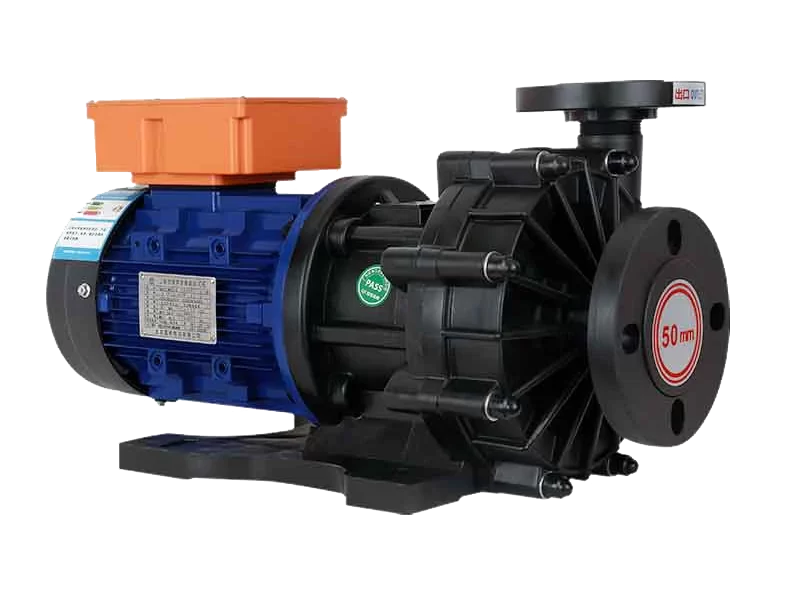
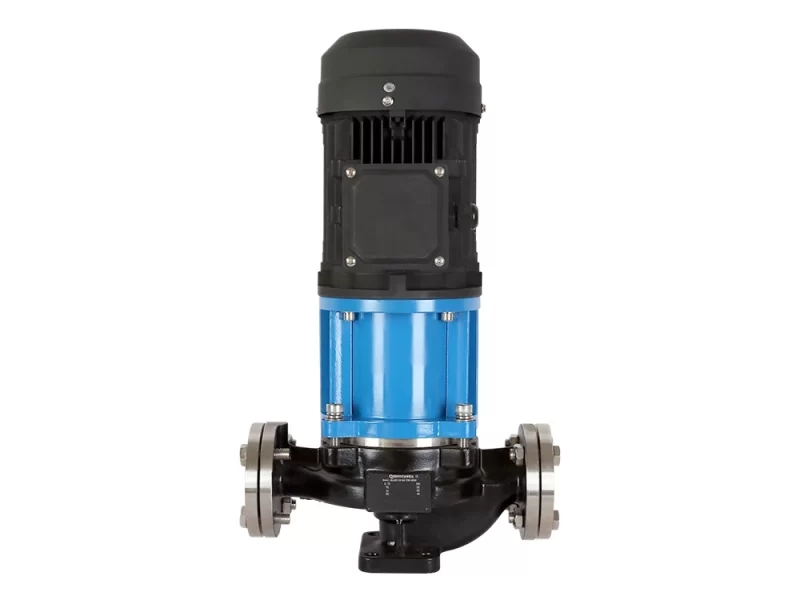
The best peroxide pump depends on installation geometry and duty cycle. A sealless magnetic pump can reduce external leakage points for clean transfer, but it still needs flow proof and dry-run protection. A diaphragm pump is useful for controlled dosing and chemical injection. A vertical pump can fit open tanks where the motor should stay above the chemical zone and the tank level is managed.
Use a magnetic drive pump when
- The liquid is clean or filtered.
- The pump has flooded suction or reliable inlet head.
- Leakage avoidance is a core requirement.
- Flow, pressure, and low-level interlocks are available.
Use a diaphragm or vertical pump when
- The duty is metered dosing below the centrifugal pump’s stable range.
- The tank is open and level changes are part of normal operation.
- The site needs easy isolation for drum or IBC feed.
- Gas, foam, or intermittent feed makes centrifugal suction unstable.
Venting and Protection Logic
Gas management is more important on hydrogen peroxide than on many ordinary acid or alkali duties. Oxygen release can collect at high points in the suction line, pump casing, filter housing, or discharge loop. If that gas is not removed safely, the pump may lose flow or the piping may see pressure variation.
Avoid suction lift when possible; keep the inlet short, low-loss, and free of high-point gas traps.
Provide a controlled vent at the highest practical point and route it to a safe location.
Set low-low level above the point where the inlet can pull air or form a vortex.
After startup stabilization, alarm if flow remains below 80-90% of the expected value.
Stop the pump if blocked discharge or injector fouling can deadhead the system.
Do not share dirty transfer hoses, metal strainers, or chemically incompatible return paths.
QEEHUA’s existing PCB pump interlock logic is a useful structure: level proves the tank, flow proves movement, pressure proves the discharge path, and dry-run protection proves the pump is still hydraulically loaded. For peroxide duty, the flow alarm should not be disabled just because the motor current looks normal.
Worked Sizing Check
Assume a 35% hydrogen peroxide transfer pump feeds a wastewater oxidation tank. Required flow is 3.0 m3/h. Static lift is 6 m, pipe and fitting loss is 4 m, and downstream injection pressure is equivalent to 8 m head. The basic total dynamic head target is:
TDH = 6 m static + 4 m pipe loss + 8 m downstream requirement = 18 m.
At 35% concentration, use about 1.13 specific gravity as a motor-load check. If the selected pump needs 0.75 kW on water near this point, the supplier should verify whether density, curve position, and service factor still leave enough margin.
Do not solve this by oversizing the pump blindly. A pump operating too far to the right or left of the curve can increase heat, recirculation, vibration, and instability. Use the same method described in QEEHUA’s pump curve versus system curve article, then add peroxide-specific checks for gas, contamination, and venting.
Commissioning Record
Peroxide pump commissioning should prove the complete system, not just the pump rotation. Run the system long enough to identify gas release, flow drift, pressure variation, and control response. A 30-minute observation period is a practical minimum for a new or modified transfer line.
| Commissioning item | Target | Record | Action if outside target |
|---|---|---|---|
| Startup flow | 90-110% of design flow after stabilization | m3/h or L/min | Vent, check suction loss, verify curve point. |
| Discharge pressure | Within expected curve band | bar or m head | Check blocked injector, valve position, or wrong TDH estimate. |
| Gas observation | No repeated gas lock during 30-minute run | Pass or fail | Add venting, reduce temperature, remove contamination source. |
| Low-level trip | Pump stops before air ingestion | Tank level in mm | Raise low-low setpoint or modify suction nozzle. |
| High-pressure trip | Stops pump before deadhead heating | Trip pressure | Adjust setpoint and test blocked-line scenario safely. |
| Leak and odor check | No visible leak, no unsafe vapor condition near pump | Observation | Stop, ventilate, inspect gaskets, fittings, and vent routing. |
RFQ checklist for QEEHUA
- Hydrogen peroxide concentration and maximum operating temperature.
- Flow, TDH, pipe diameter, pipe length, suction layout, and tank level range.
- Duty type: clean transfer, dosing, unloading, recirculation, or open-tank service.
- Contamination controls: metal contact, solids, organics, reducing chemicals, shared hoses.
- Preferred controls: flow switch, pressure transmitter, level switch, leak detection, VFD, dry-run protection.
- Installation area ventilation, containment, maintenance clearance, and emergency isolation method.
Source Notes
OSHA’s hydrogen peroxide chemical database lists a PEL-TWA of 1 ppm, a NIOSH REL-TWA of 1 ppm, an IDLH value of 75 ppm, and an NFPA special oxidizer note. PubChem identifies hydrogen peroxide as a reactive oxygen species and provides chemical identification data. EPA’s metal finishing page is relevant because PCB and metal finishing wastewater systems are part of the operating environment where oxidizers, pretreatment, and discharge controls matter.
These references do not replace site-specific chemical safety approval, but they support the engineering conclusion: hydrogen peroxide pump selection must include leakage control, venting, contamination control, and instrumented shutdown. If the installation is an open tank rather than a closed transfer skid, compare the geometry with QEEHUA’s plastic vertical pump for chemical service before locking the pump type.
FAQ
Can a magnetic drive pump transfer hydrogen peroxide?
Yes, for clean transfer when the wetted materials, concentration, temperature, suction condition, and protection logic are suitable. The pump should be protected against dry running, gas lock, deadheading, and contamination that can accelerate oxygen release.
Why does a hydrogen peroxide pump lose prime?
Common causes are gas release, suction high points, low tank level, contamination, warm liquid, or a suction strainer that adds excessive loss. The system should include a purge point and a low-flow alarm rather than relying only on motor current.
Is a diaphragm pump better for hydrogen peroxide dosing?
For low-flow chemical injection, a diaphragm dosing pump is often easier to control than a centrifugal pump. The final choice still depends on concentration, chemical compatibility, venting, suction conditions, and whether the system needs continuous or batch flow.
What numbers should be sent before buying a peroxide pump?
Send concentration, temperature, flow, total head, specific gravity if known, suction layout, pipe length, duty cycle, tank level range, contamination risks, and required alarms. Without those values, the selection may miss gas release, motor load, or safety interlock requirements.
Need a hydrogen peroxide pump review for PCB wastewater, dosing, or chemical transfer? Send QEEHUA the concentration, temperature, flow, TDH, suction sketch, and protection requirements. Contact QEEHUA at info@qeehua.com for a material and pump-curve check.
Sources
- OSHA Occupational Chemical Database: Hydrogen Peroxide
- PubChem: Hydrogen Peroxide
- EPA Metal Finishing Effluent Guidelines
Final note: a reliable peroxide pump specification is numeric. Concentration, density, temperature, TDH, flow, venting, contamination control, and trip setpoints should be visible before the pump model is finalized.
