

In many projects, engineers troubleshooting unstable dosing ask for a pump by flow and head, then discover that the real decision sits in the surrounding low-pressure or variable-pressure chemical injection line. The pump is only one part of the hydraulic story. The line, valves, instruments, fittings, chemical condition, and maintenance habits decide whether the selected chemical metering pump with dosing accessories will operate calmly or become a recurring field problem.
The common mistake is assuming every metering pump will remain accurate when the discharge line has little or changing pressure. That shortcut feels efficient during early quotation, but it hides the condition that most often causes trouble: the pump overfeeds, siphons, loses repeatability, or changes output when the downstream condition changes. A better specification does not need to be complicated. It needs to describe the service in the same way the pump will experience it after installation.
For QEEHUA chemical pump selection, the useful question is not simply whether a model can touch acid, alkali, coagulant, oxidant, or other metered chemical. The useful question is whether the whole arrangement gives the pump a stable, measurable, and maintainable operating point. That is why the notes below focus on checks a buyer can actually send to a supplier before production time is committed.
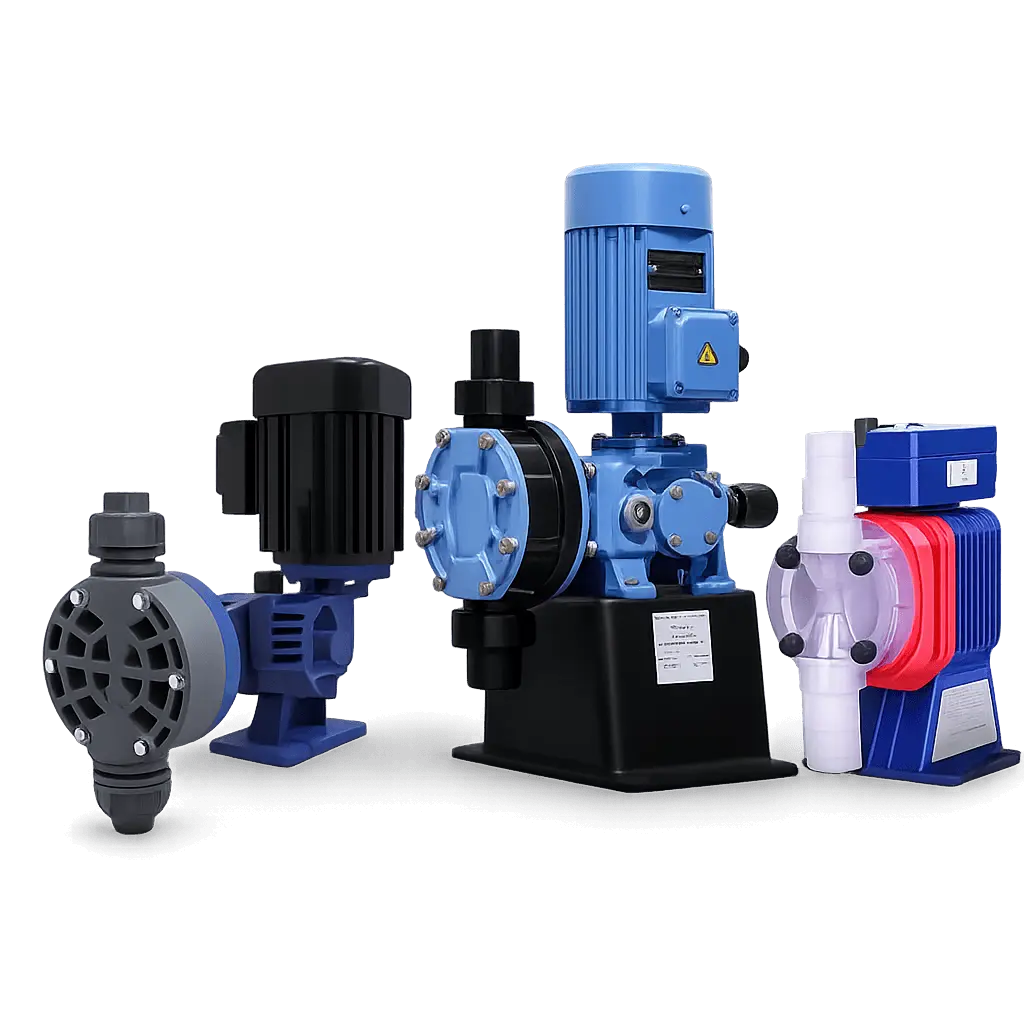
A metering pump still needs hydraulic conditions
A reliable selection starts by drawing the path of the liquid. For low-pressure or variable-pressure chemical injection line, the path includes the tank, suction condition, pump, discharge line, valves, fittings, instruments, control points, and the final process destination. When those details are missing, the supplier has to guess. A careful buyer does not need to send a perfect engineering package, but the buyer should send enough information to make the duty point believable.
The most useful early note is a short operating story: what liquid is being moved, where it starts, where it goes, how often the pump runs, and what the operators adjust during normal work. That story gives context to the numbers. It also shows whether the selected chemical metering pump with dosing accessories is expected to run continuously, cycle by level, start against a closed valve, dose into a pressured line, or recover after cleaning and maintenance.
When the service contains acid, alkali, coagulant, oxidant, or other metered chemical, the material note should be specific. A phrase such as chemical liquid or acid solution is too broad. Concentration, temperature, solids, vapor, cleaning liquid, and abnormal startup condition can change the material recommendation. This is especially important for plastics and elastomers, because a material that looks safe in a room-temperature compatibility table may behave differently under heat, stress, or mixed chemicals.
Back pressure valve and relief valve are not the same
The pump curve is not a promise that every point on the curve will be reached in the plant. It is a reference under stated test conditions. The installed system pushes back on the pump, and that pushback changes with liquid level, pipe friction, valve position, filter condition, discharge pressure, and operating rhythm. That is why two pumps with the same nameplate power can feel very different after installation.
Good specifications translate the plant condition into a small number of practical checkpoints. The buyer should separate the normal operating point from the maximum point and the minimum controllable point. If the pump will run near the edge of its curve, the supplier should know that before selection. If the system changes during a batch, the supplier should know which condition matters most: startup, stable operation, cleaning, or end-of-batch drawdown.
This is also where internal links between design topics become useful. For example, QEEHUA metering pump series explains one neighboring issue, while chemical pump flowmeter placement gives another check that can influence the same pump package. A buyer does not need to solve every issue at once, but the topics should not be treated as isolated pieces.
Field signals that the selection is incomplete
- Chemical usage is higher than the calculated dose even when stroke setting is unchanged.
- Flow changes when the injection point pressure changes.
- The dosing line drains or siphons after the pump stops.
- Calibration results differ from the process dose because the test condition has different pressure.
Siphoning is a line-layout problem
Most pump problems leave evidence before they become a shutdown. The evidence may be a pressure trend, unstable flow, a noisy valve, frequent seal or diaphragm replacement, temperature rise, or a maintenance note that says the pump works only after someone adjusts the line. Those clues usually point to a mismatch between the selected equipment and the real system boundary.
For engineers troubleshooting unstable dosing, the best habit is to ask what must remain stable for the process to work. Sometimes the key value is flow. Sometimes it is pressure at a spray header, dose per hour, corrosion margin, suction reliability, or inspection traceability. Once the stable value is clear, the pump package can be checked against it instead of judged only by model size.
The table below is deliberately simple. It is meant to help a project team catch missing information before the quotation becomes a purchase order. A more detailed calculation may still be needed for high-risk service, but a clear first table prevents the usual back-and-forth where the supplier keeps asking for details after the buyer expected a final price.
| Item to check | What it means | Why it matters |
|---|---|---|
| Back pressure valve | Maintains minimum pressure against the pump | Stabilizes repeatability in low-pressure lines |
| Pressure relief valve | Protects the line from overpressure | Returns chemical to tank or safe location |
| Anti-siphon valve | Prevents unwanted gravity or suction flow | Important when discharge point is below tank level |
| Calibration column | Measures real pump output | Best when tested under representative pressure |
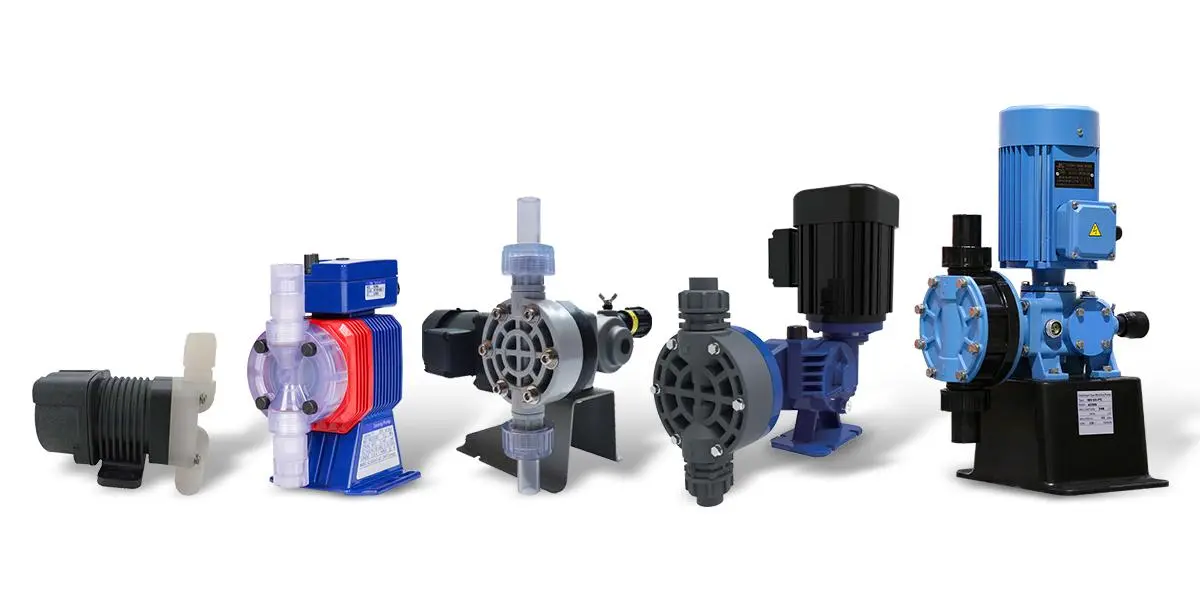
Calibration needs the same pressure story
A supplier can only protect the buyer from the risks that are visible in the inquiry. If the inquiry omits temperature, concentration, solids, duty cycle, control method, suction arrangement, or accessory requirements, the proposal may still look complete while leaving an expensive gap. This is why a short technical schedule is often more valuable than a long email thread.
The schedule should define the required flow range, normal operating point, maximum condition, allowable materials, power supply, connection standard, control signal, and any inspection requirement. If the project is a replacement, add photos, nameplate data, failure symptoms, and the reason the old pump is being changed. If it is a new line, add the process drawing or a hand sketch that shows level, distance, height, and key valves.
For QEEHUA quotation work, this is where practical evidence matters. Clear photos of the installation, chemical tank, pipe route, and existing pump often reduce mistakes faster than another paragraph of description. The same habit applies to internal review: wastewater neutralization pump selection can be used as a companion check before startup or final order approval.
Quotation data checklist
- Compare pump discharge pressure with tank level, injection pressure, and line layout.
- Use a back pressure valve when the pump needs a stable minimum discharge pressure.
- Add anti-siphon protection when the discharge point can pull liquid from the chemical tank.
- Install calibration and isolation points so the dosing rate can be checked without dismantling the line.
How to specify the valve with the pump
Oversizing is tempting when the service is uncertain. A larger pump can appear safer because it has more flow or pressure on the curve. In chemical service, oversizing can create its own problems: excess velocity, unstable control, heat generation, throttled valves, faster wear, stronger pulsation, or poor dosing repeatability. A better approach is to reduce uncertainty, then select with a controlled margin.
The same principle applies to undersizing. A pump that is selected only for the clean, new, open-valve condition may fail when the filter loads, the pipe ages, the tank level changes, or the plant adds another branch. The answer is not to guess a huge safety factor. The answer is to describe the credible worst case and check whether the selected pump still works there.
When low-pressure or variable-pressure chemical injection line is part of a larger production or treatment process, the pump should also be reviewed from the maintenance side. Can operators isolate it safely? Can the line be drained or flushed? Are spare diaphragms, check valves, bearings, or gaskets available? Is there enough space to remove the pump without cutting pipe? These details do not always appear on a curve, but they decide whether the installation stays reliable.

Practical scenario
Consider a buyer who asks for a chemical metering pump with dosing accessories for acid, alkali, coagulant, oxidant, or other metered chemical. The first inquiry gives only flow and a loose pressure estimate. After review, the supplier asks for the pipe route, liquid temperature, installation height, valve list, operating hours, and whether the line must run continuously or in batches. The revised duty point is different from the first estimate, but the final selection is more defensible because the hidden assumptions have been replaced with plant information.
One useful review habit is to separate confirmed data from assumed data. Confirmed data includes measured flow, known liquid concentration, actual pipe size, and a clear operating schedule. Assumed data includes estimated pressure, guessed valve loss, unknown solids, or a chemical name without concentration. If a supplier knows which items are assumptions, the proposal can show where the margin is being used.
Another habit is to write the abnormal condition beside the normal one. Many chemical pumps are selected for normal operation but damaged during startup, cleaning, tank changeover, clogged-filter operation, or accidental closed-valve running. A short abnormal-condition note helps the supplier recommend protection devices, alarms, or operating limits before the pump is built.
For this topic, the selection should remain tied to the actual low-pressure or variable-pressure chemical injection line. A model that works in a short trial line may not behave the same way after the plant adds height, accessories, solids, heat, or a different cleaning routine. That is why the best quotation notes include the operating limits as well as the desired normal point.
One useful review habit is to separate confirmed data from assumed data. Confirmed data includes measured flow, known liquid concentration, actual pipe size, and a clear operating schedule. Assumed data includes estimated pressure, guessed valve loss, unknown solids, or a chemical name without concentration. If a supplier knows which items are assumptions, the proposal can show where the margin is being used.
Another habit is to write the abnormal condition beside the normal one. Many chemical pumps are selected for normal operation but damaged during startup, cleaning, tank changeover, clogged-filter operation, or accidental closed-valve running. A short abnormal-condition note helps the supplier recommend protection devices, alarms, or operating limits before the pump is built.
For export orders, documentation should be treated as part of the equipment. Photos, material notes, curves, wiring information, packing lists, and accessory descriptions make installation easier for the receiving team. They also reduce disputes because the buyer and supplier can compare the delivered item with the approved technical record.
For this topic, the selection should remain tied to the actual low-pressure or variable-pressure chemical injection line. A model that works in a short trial line may not behave the same way after the plant adds height, accessories, solids, heat, or a different cleaning routine. That is why the best quotation notes include the operating limits as well as the desired normal point.
One useful review habit is to separate confirmed data from assumed data. Confirmed data includes measured flow, known liquid concentration, actual pipe size, and a clear operating schedule. Assumed data includes estimated pressure, guessed valve loss, unknown solids, or a chemical name without concentration. If a supplier knows which items are assumptions, the proposal can show where the margin is being used.
Another habit is to write the abnormal condition beside the normal one. Many chemical pumps are selected for normal operation but damaged during startup, cleaning, tank changeover, clogged-filter operation, or accidental closed-valve running. A short abnormal-condition note helps the supplier recommend protection devices, alarms, or operating limits before the pump is built.
For export orders, documentation should be treated as part of the equipment. Photos, material notes, curves, wiring information, packing lists, and accessory descriptions make installation easier for the receiving team. They also reduce disputes because the buyer and supplier can compare the delivered item with the approved technical record.
For this topic, the selection should remain tied to the actual low-pressure or variable-pressure chemical injection line. A model that works in a short trial line may not behave the same way after the plant adds height, accessories, solids, heat, or a different cleaning routine. That is why the best quotation notes include the operating limits as well as the desired normal point.
One useful review habit is to separate confirmed data from assumed data. Confirmed data includes measured flow, known liquid concentration, actual pipe size, and a clear operating schedule. Assumed data includes estimated pressure, guessed valve loss, unknown solids, or a chemical name without concentration. If a supplier knows which items are assumptions, the proposal can show where the margin is being used.
Another habit is to write the abnormal condition beside the normal one. Many chemical pumps are selected for normal operation but damaged during startup, cleaning, tank changeover, clogged-filter operation, or accidental closed-valve running. A short abnormal-condition note helps the supplier recommend protection devices, alarms, or operating limits before the pump is built.
For export orders, documentation should be treated as part of the equipment. Photos, material notes, curves, wiring information, packing lists, and accessory descriptions make installation easier for the receiving team. They also reduce disputes because the buyer and supplier can compare the delivered item with the approved technical record.
For this topic, the selection should remain tied to the actual low-pressure or variable-pressure chemical injection line. A model that works in a short trial line may not behave the same way after the plant adds height, accessories, solids, heat, or a different cleaning routine. That is why the best quotation notes include the operating limits as well as the desired normal point.
Check the pressure window before adding the valve
A back pressure valve is not a decoration on the discharge line. It should create enough resistance for stable metering without pushing the pump, tubing, or injection point beyond their limits. A quick check is: required valve setting = minimum stable pump back pressure + expected downstream variation. If the downstream line swings from near zero pressure to 1 bar, the valve setting must be high enough to keep the pump from free discharge at the low end. The relief valve must still protect the line if the injection point blocks. That is why drinking-water chemical feed rules often discuss pressure indication, relief, and back pressure as a set of safeguards.
Technical references used for this article
These references support the pressure, relief, and chemical-feed safeguards discussed above. The valve setting still has to match the pump, tubing, injection point, and site operating range.
- Wisconsin NR 811.39 chemical feed pump gauge and relief rule
- Wisconsin NR 811.39 back pressure valve setting rule
- Wisconsin NR 811.39 chemical feed pump safety shutoff rule
For a metering line with unstable pressure, send the injection pressure, suction tank level, pipe length, valve layout, relief path, and required dosing accuracy. Email QEEHUA before setting the valve or moving the injection point.
FAQ
What information should I send before selecting a chemical metering pump with dosing accessories?
Send the liquid name, concentration, temperature, flow range, pressure or head condition, pipe layout, suction condition, duty cycle, control method, power supply, and photos or drawings of the low-pressure or variable-pressure chemical injection line.
Can I choose the pump from flow and head only?
Flow and head are necessary, but they are not enough when the service involves acid, alkali, coagulant, oxidant, or other metered chemical. Material compatibility, installation layout, accessories, and operating rhythm can change the safe selection.
Should I add a large safety factor?
Use a controlled margin based on a credible operating case. Oversizing can create chemical-handling problems, so it is better to clarify the duty point than to hide uncertainty behind a much larger pump.
When should I ask QEEHUA for review?
Ask before the purchase order if the chemical is corrosive, the piping is long, the pressure condition is unclear, the pump will run continuously, or the installation has had repeated maintenance problems.
If your team is comparing options for a low-pressure or variable-pressure chemical injection line, send QEEHUA the operating data and photos before locking the model. A short review at the quotation stage is usually easier than correcting a pump, valve, material, or accessory mismatch after installation.
