



Ferric chloride etching lines create a different pump problem from clean acid transfer. The liquid is acidic and corrosive, but the bigger operating risk is the combination of high specific gravity, dissolved copper, iron sludge, heat, and filter pressure rise. A pump that looks correct by nominal flow can still run off its curve, overload the motor, plug a strainer, or lose flow when the etchant becomes dense and dirty.
This article focuses on ferric chloride pump selection for PCB etching and metal etching support systems. It is not a generic etching article. The goal is to turn common plant language such as strong etchant, brown sludge, and filter pressure high into measurable pump selection data: Baume, specific gravity, temperature, solids load, pressure drop, TDH, and alarm setpoints.
Why Ferric Chloride Is Hard On Pumps
Iron(III) chloride, commonly called ferric chloride, is used as an etchant for metals and is available as brown aqueous solution. Published chemical references describe iron(III) chloride solution as corrosive, with iron(III) chloride also used as an etchant for metals. A 40% solution is reported with viscosity around 12 cP, which is far from ordinary rinse water. In a PCB line, etching also creates copper-rich liquid and sludge that can raise filter pressure and change the real operating point.
That is why ferric chloride pump selection should not be copied from a rinse pump or a clean acid pump. The pump must be checked for chemical compatibility, density, motor load, abrasion from fines, and filter pressure growth. If the line uses a cartridge filter or bag filter after the pump, filter loading must be included in total dynamic head instead of treated as an afterthought.

Baume conversion check: for heavy liquids, approximate specific gravity can be estimated as SG = 145 / (145 – Be). A 40 Be etchant is about SG 1.38, which changes pump power and curve interpretation compared with water.
Quantified RFQ Data
Before QEEHUA can select a magnetic drive pump, vertical pump, or filter pump combination, the buyer should provide a data sheet. The most important values are not complicated, but they must be numerical.
| RFQ field | Value to provide | Why it matters | Risk if omitted |
|---|---|---|---|
| Etchant strength | Baume, SG, or FeCl3 concentration | Changes density, viscosity, motor load, and corrosion stress. | Pump is sized as if the liquid were water. |
| Temperature | Normal and maximum operating temperature in deg C | Changes material limit, vapor behavior, and chemical attack rate. | Correct at startup but unstable in hot production. |
| Flow rate | m3/h or L/min at operating condition | Determines etching uniformity, filter turnover, and pump curve point. | Low flow creates uneven etching; high flow wastes head and power. |
| Total head | Static head + pipe loss + spray/nozzle/filter pressure | Shows the real operating point on the curve. | Pump runs at the wrong point after filter loading. |
| Solids and sludge | Visible sludge, copper fines, filter micron rating, cleaning interval | Determines filter area, strainer risk, and impeller clearance concern. | Filter pressure rises quickly and flow collapses. |
| Control signals | Pressure transmitter, flow proof, low level, VFD, dry-run protection | Turns fouling and low tank level into shutdown logic. | Damage is found only after a bad board batch. |
For clean chemical transfer, QEEHUA’s magnetic drive pump chemical selection guide is the starting point. For PCB etching specifically, connect that pump review to the existing magnetic pumps for PCB etching application context instead of selecting from flow alone.
Material And Pump Style
For ferric chloride etchant, non-metallic wetted parts are normally preferred. PVDF, fluoroplastic-lined designs, and suitable elastomers should be checked against concentration, temperature, and contamination. Exposed metal wetted parts can be risky because ferric chloride is corrosive and the etchant may contain dissolved copper and acid byproducts.
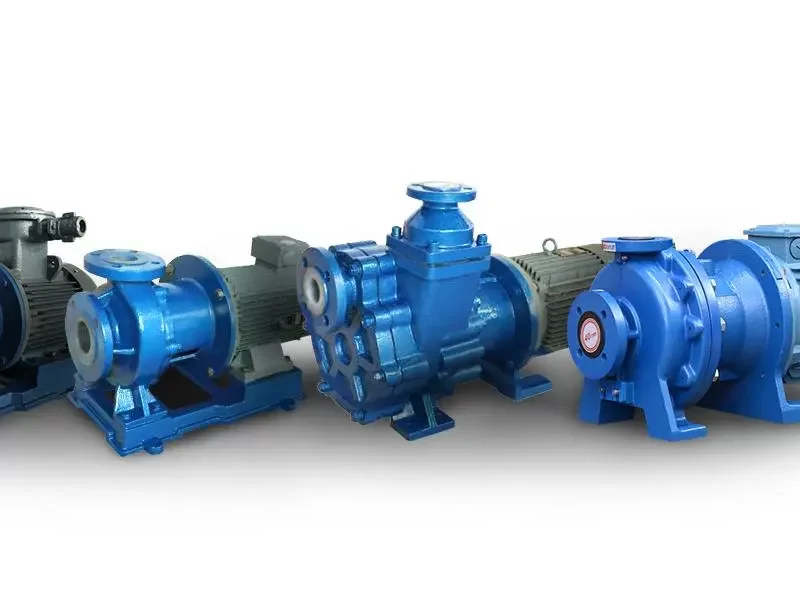
Magnetic drive pump fit
- Clean or prefiltered ferric chloride transfer.
- Stable flooded suction or reliable inlet head.
- Leak prevention is more important than solids tolerance.
- Flow and pressure protection are installed.
Vertical or filter pump fit
- Open etching tank or sump with variable level.
- Need to keep the motor above the corrosive zone.
- Sludge and filter loading are part of normal operation.
- Maintenance access is more important than compact skid layout.
Sludge And Filter Pressure
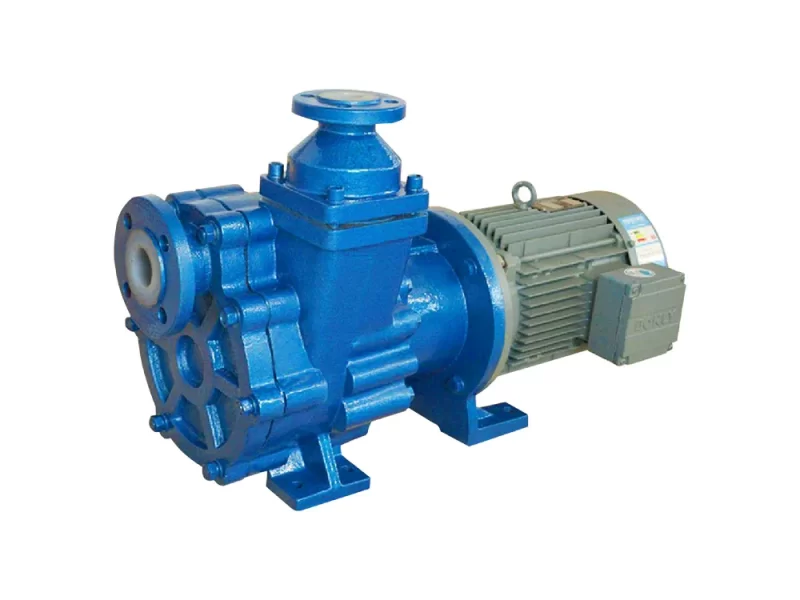
Ferric chloride etching systems often fail gradually. Flow starts correct, then filter pressure rises, spray pressure changes, and etching uniformity shifts. If operators only watch the pump motor, they may miss the real problem: the system curve is moving as sludge and copper solids load the filter.
Record pump discharge pressure with a new or cleaned filter.
Use a differential pressure or discharge pressure threshold before flow becomes unstable.
Trip on low flow or high pressure rather than allowing deadhead heating.
Do not use a small suction strainer as the main sludge filter.
If pressure rises in less than one shift, increase filter area or review sludge source.
Compare flow drift with under-etching, over-etching, and line-width variation.
The same logic is useful for QEEHUA’s PCB plating filter RFQ checklist: pressure drop and filter loading belong in the pump specification. For etching lines, also link flow instability back to the pump curve versus system curve method.
Worked Sizing Example
Assume a ferric chloride etching circulation pump needs 6.0 m3/h. Static head is 3 m, pipe and fitting loss is 4 m, spray header requirement is 8 m, and clean filter pressure equals 5 m head. The clean total dynamic head is:
Clean TDH = 3 m + 4 m + 8 m + 5 m = 20 m.
If the filter can add another 5 m before cleaning, select and check the operating point around 25 m. Then apply the liquid density check: at 40 Be, SG is about 1.38, so motor load is materially higher than water service.
A practical target is not only 6.0 m3/h at 20 m clean head. The better target is 6.0 m3/h through the usable filter life, with alarm and cleaning before the dirty head pushes the pump into unstable operation. This is why a 20-30% head allowance for filter loading is often more useful than a vague oversized pump request.
Commissioning Checklist
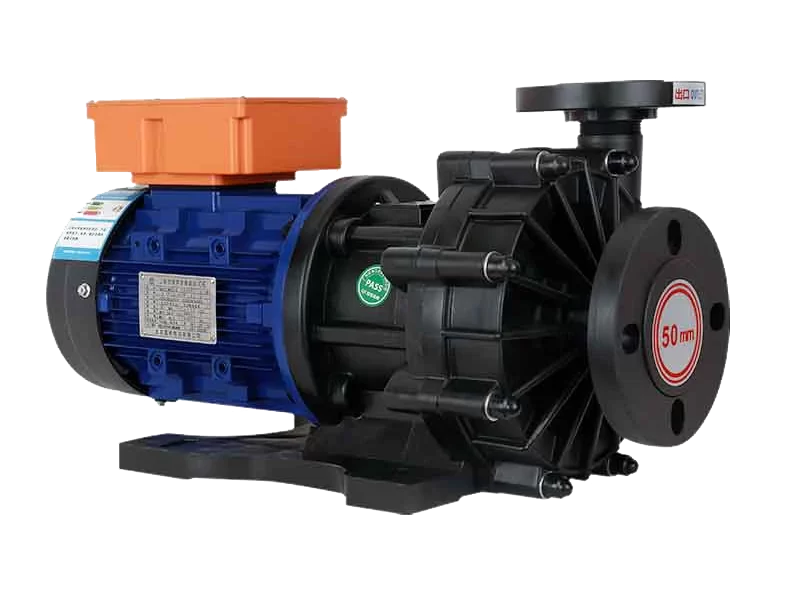
Ferric chloride commissioning should include process quality data, not only mechanical rotation. Record the first clean-filter run, the dirty-filter limit, the flow drift, and the board-quality response.
| Commissioning item | Acceptance target | Record value | Action if failed |
|---|---|---|---|
| Clean-filter flow | 90-110% of design flow | m3/h or L/min | Check curve, valve position, and spray header loss. |
| Dirty-filter head | Within selected pump operating band | m head or bar | Increase filter area or lower cleaning interval. |
| Motor load | Below nameplate current at hot, dense etchant condition | Ampere | Recheck SG and motor power margin. |
| Sludge observation | No rapid suction blockage or repeated cavitation noise | Pass or fail | Move filtration to discharge side or enlarge suction path. |
| Pressure alarm | Warn before etching flow becomes unstable | Alarm setpoint | Adjust setpoint from real clean and dirty pressure. |
| Board quality link | No flow-related under-etching or line-width drift | Inspection result | Correlate quality data with pump and filter readings. |
RFQ checklist for QEEHUA
- Ferric chloride Baume, specific gravity, or concentration.
- Normal and maximum operating temperature.
- Flow, clean TDH, dirty-filter TDH, and required spray pressure.
- Filter type, micron rating, area, and expected cleaning interval.
- Solids description: copper fines, iron sludge, crystals, or visible sediment.
- Required control signals: flow, pressure, low level, dry-run, and VFD.
Source Notes
Published chemical references identify iron(III) chloride as ferric chloride, note aqueous brown solution, corrosive handling, use as a metal etchant, and report a viscosity value around 12 cP for 40% solution. EPA’s metal finishing guidance is relevant because printed circuit board manufacture is listed among covered metal-finishing operations. These sources support the main selection point: ferric chloride etching pump selection needs density, solids, filtration, and safety controls, not only chemical name and nominal flow.
If the line still shows particles after a pump and filter upgrade, compare the layout with QEEHUA’s PCB chemical filter short-circuit checklist before blaming the pump alone. Bypass paths, wrong filter sealing, and undersized filter area can make a correct pump look unstable.
FAQ
Can a magnetic drive pump handle ferric chloride etching solution?
Yes, if the wetted materials are compatible and the liquid is clean enough for the pump design. The selection must check Baume or SG, temperature, filter loading, solids, flow proof, and dry-run protection.
Why does ferric chloride etching flow drop during production?
Common causes include filter loading, sludge accumulation, suction blockage, dense etchant, worn impeller, clogged spray headers, or a system curve that has moved away from the original pump selection point.
What specific gravity should be used for ferric chloride pump checks?
Use the site-measured value whenever possible. If only Baume is known, approximate SG for heavy liquids with SG = 145 / (145 – Be). For example, 40 Be is about SG 1.38 and should be used for motor-load checks.
Should the filter be before or after the ferric chloride pump?
A small suction strainer should not be used as the main sludge filter because it can starve the pump. Many systems place process filtration on the discharge side and protect the pump with pressure and flow monitoring.
Need a ferric chloride etching pump review? Send QEEHUA the Baume or SG, temperature, clean and dirty filter pressure, flow, head, solids description, and control requirements. Contact QEEHUA at info@qeehua.com for a pump curve and material check.
Sources
Final note: a ferric chloride etching pump is selected from numbers. Baume, SG, temperature, clean TDH, dirty-filter TDH, sludge load, and alarm setpoints should be visible before the pump model is finalized.