



PCB pump motor protection means choosing and installing the pump, motor, cable, junction box, and local enclosure so acid mist, spray water, moisture, and conductive contamination do not enter the electrical parts. In PCB developing, etching, plating, cleaning, and filtration lines, the pump may be chemically compatible while the motor still fails early because the surrounding environment is too wet or corrosive.
This topic is different from hydraulic problems such as PCB wet process pump dry running. Dry running damages the pump because liquid is missing. Poor motor protection damages the electrical side because the environment reaches the windings, bearing area, terminal box, cable glands, or wiring path.
Why Motor Protection Matters in PCB Wet Process Areas
PCB factories often place chemical pumps near tanks, spray chambers, filter systems, rinse sections, and maintenance walkways. These areas can contain water vapor, acid mist, alkaline mist, cleaning spray, salt residue, and fine chemical droplets. A motor that works in a dry utility room may fail quickly in this setting.
Local PCB pain-point records show a direct failure pattern: when motor protection is lower than the required wet-process level, moisture and acid mist can enter the motor and cause burnout. The practical fixes include a corrosion-resistant waterproof motor, a protective cover, and installation away from the spray zone where possible.

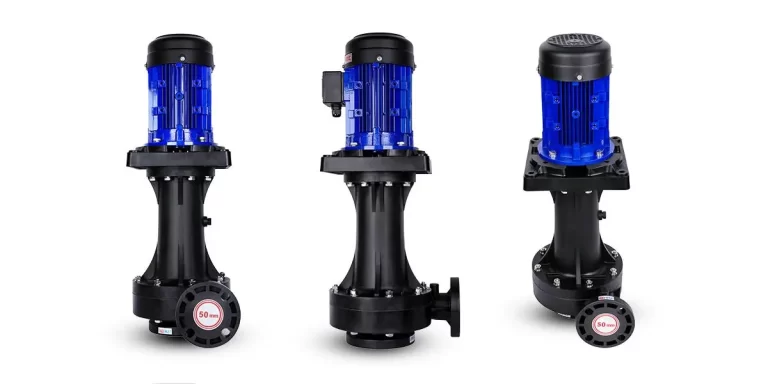
Motor failure is not only a replacement cost. It can stop circulation, reduce spray pressure, interrupt filtration, and leave boards inside an unstable bath. If the failure also trips line power, the process loss can be larger than the motor price.
How Acid Mist, Splash, and Moisture Damage Pump Motors
Acid mist and moisture attack several weak points. The terminal box may leak. Cable glands may loosen. A conduit may collect condensate. The fan cover may trap corrosive residue. Bearing grease can be contaminated. If the motor surface corrodes, the nameplate may become unreadable, which makes future maintenance harder.
The risk increases when pumps stand close to open tanks or spray cleaning sections. Splash does not need to be constant. Repeated small exposure can move moisture into the motor over time. If the area also has poor ventilation, the motor may stay damp between shifts.
Electrical symptoms
Early symptoms include nuisance trips, insulation resistance decline, terminal corrosion, abnormal heat, bearing noise, and intermittent starts. If a phase sequence or wiring issue appears after maintenance, compare the situation with PCB etching pump running backwards before assuming the motor itself is the only cause.
Process symptoms
Process teams may first see low flow, weak spraying, or a stopped pump. These symptoms can overlap with blocked filters, air pockets, or pressure shocks. That is why motor inspection should sit beside hydraulic troubleshooting, not after every pipe and valve has already been checked.
IP Rating Checks for Pump Motors and Wiring
IP rating describes ingress protection against solids and liquids. It does not automatically prove chemical resistance. A motor may have a good water-ingress rating but still need chemical-resistant coating, sealed cable glands, correct conduit routing, and a suitable local enclosure.
For PCB wet-process areas, the buyer should check the expected spray level, cleaning method, vapor exposure, splash direction, and chemical family before choosing the motor. A rating that is acceptable beside a dry tank may be weak beside a spray chamber or acid-mist exhaust point.
| Check point | What to verify | Why it matters | Action for PCB lines |
|---|---|---|---|
| Motor ingress protection | Dust, splash, jet, and moisture exposure level. | Water or mist entry can reduce insulation and burn the motor. | Use a motor protection level that matches the real wet zone, not only the pump model. |
| Corrosion resistance | Coating, fasteners, fan cover, terminal box, and nameplate. | Acid mist can corrode exposed metal and electrical joints. | Specify anti-corrosion treatment and inspect visible rust early. |
| Cable gland and conduit | Seal, slope, strain relief, and chemical exposure. | Water can enter through wiring even when the motor housing is adequate. | Use sealed glands, avoid low-point water traps, and keep cables away from tanks. |
| Protective cover | Cover shape, ventilation, drain path, and cleaning access. | A bad cover can trap vapor and heat around the motor. | Use a splash shield that blocks direct spray without creating a humid box. |
| Electrical protection | Overload, phase loss, dry-run logic, and local alarm. | Electrical trips can reveal process or installation problems. | Coordinate motor protection with pump and tank controls. |
IP checks should also include cleaning behavior. If operators hose the area, the motor and terminal box face a different risk than a motor that only sees ambient vapor. The cleaning method should influence the motor, cable, and enclosure specification.
Layout and Enclosure Controls for Safer Pump Stations
Good motor protection starts with layout. Place the motor outside direct spray when the tank design allows it. Avoid locations below dripping pipes, tank overflow points, chemical dosing outlets, or filter vents. If the pump must be near a wet zone, add a cover that blocks splash and still allows heat to escape.
Avoid creating a sealed hot box around the motor. Electrical protection and corrosion protection must work together. If the enclosure traps acid mist or heat, it can shorten motor life. The better approach is controlled shielding, drainage, ventilation, and clean cable routing.

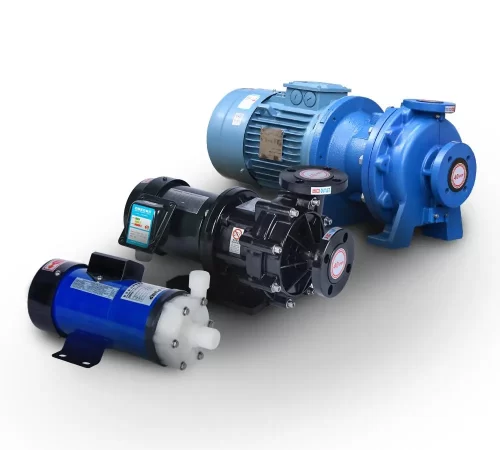
Pump protection should also consider hydraulic shocks. A sudden valve closure or water hammer can shake pipes and wet nearby electrical parts. If this appears on the same skid, review PCB wet process water hammer along with the motor protection plan.
When sealless design helps
In some corrosive liquid services, QEEHUA magnetic pumps help reduce leakage at the rotating shaft because the drive is sealless. This does not remove the motor-protection question. The electrical side still needs protection from the surrounding wet and corrosive environment.
B2B Buying Checklist for Pump Motor Protection
For a new PCB line, do not specify the pump from flow and head alone. Ask where the motor will sit, how often operators wash the area, whether acid mist is present, and whether cable trays run above tanks. Ask whether the pump will run beside a spray chamber, open plating tank, filter system, or chemical dosing station.
For replacement work, record the failed motor condition. Check for corrosion at the terminal box, rust near fasteners, moisture under the cover, cable-gland damage, and insulation-test results. If leakage is also present, compare the failure with chemical pump O-ring swelling so mechanical and electrical causes are not mixed together.
The final review should connect pump type, motor protection, chemical compatibility, and operating controls. For a wider wet-process pump decision, the guide on choosing a magnetic drive pump for PCB wet process lines can support the next specification step.
Need help reviewing pump motor protection for a PCB wet-process area? Send the pump model, motor rating, tank layout, spray direction, chemical exposure, and photos of the installation to info@qeehua.com. QEEHUA can help check the pump, motor, cable route, and protection logic together.
FAQ
What IP rating should a PCB pump motor use near spray cleaning or acid mist?
Choose the rating from the real exposure, not from the pump model alone. In PCB spray cleaning or acid-mist zones, teams often specify a corrosion-resistant waterproof motor, sealed cable entries, and a splash cover. IP rating helps with ingress, but it does not replace chemical protection.
How can maintenance teams tell if acid mist or moisture is entering a pump motor?
Look for nuisance trips, lower insulation resistance, terminal-box corrosion, wet cable glands, rust around fasteners, bearing noise, abnormal motor heat, or intermittent starting after washing. These signs point to environmental entry, not only motor age.
Is a higher IP rating enough to stop pump motor burnout in a PCB wet line?
No. A higher IP rating reduces water or dust entry, but PCB wet lines also need chemical-resistant surfaces, sealed glands, correct conduit slope, cable protection, ventilation, and layout away from direct spray or open tanks.
Where should a pump motor be installed if the tank area has acid mist?
Place the motor outside the direct spray path and away from dripping pipes, overflow points, filter vents, and acid-mist exhaust. If the motor must stay near the tank, use a splash shield that blocks liquid without trapping heat or corrosive vapor.
Why does a PCB pump motor fail after washdown even when the pump still looks normal?
Washdown water can enter through the terminal box, cable gland, conduit, or damaged cover. The pump casing may remain usable while the motor insulation, wiring, or bearing area starts failing from moisture and conductive residue.
What details should buyers give a pump supplier before choosing motor protection?
Give the tank layout, pump location, spray direction, cleaning method, chemical family, acid-mist level, cable route, expected IP requirement, control logic, and photos of the installation. These details make the motor-protection recommendation more reliable.
Final Note
A pump motor in a PCB wet-process area is part of the chemical system, not just an electrical accessory. The right protection plan prevents mist, splash, corrosion, wiring faults, and avoidable line stoppage. Check the environment first, then match the motor, pump, cover, cable path, and controls to that environment.