



PCB pump check valve failure happens when the discharge-side non-return valve is missing, installed backward, stuck open, blocked by debris, or too slow to close after pump shutdown. The result is chemical backflow through the pump. In a wet process line, that backflow can spin the pump backward, disturb the tank, create pressure shock, or move contaminated liquid into the wrong part of the system.
This is different from electrical reverse rotation. In an electrical phase-sequence problem, the motor drives the impeller in the wrong direction from startup. In a check valve failure, the system drives liquid backward after shutdown or during pressure imbalance. For the electrical version, see QEEHUA’s article on PCB etching pump running backwards.
For PCB equipment builders, the key risk is repeatability. A line may pass a short trial run, then fail after a tank drain, filter change, sudden shutdown, or valve operation. The pump itself may not be the original cause. The discharge protection may be allowing reverse flow.
Why Check Valve Failure Matters in PCB Wet Lines
PCB wet process systems move corrosive liquids through tanks, filters, spray headers, and return lines. Many lines also have height differences. When the pump stops, liquid in a raised line or filter housing can drain backward if the check valve does not seal.
That reverse flow is not only a plumbing issue. SOCLA’s pump-discharge check valve guidance notes that reverse flow can make a pump spin backward and can also contribute to water hammer. In PCB production, the same event can affect etching uniformity, filtration stability, chemical containment, and maintenance safety.
Backflow is especially risky when several tanks or branches share parts of a circulation system. If a bypass valve leaks or a check valve does not close, chemical can move through an unintended route. The result may be cross-contamination, particle return, or a wrong chemical balance in a live bath.

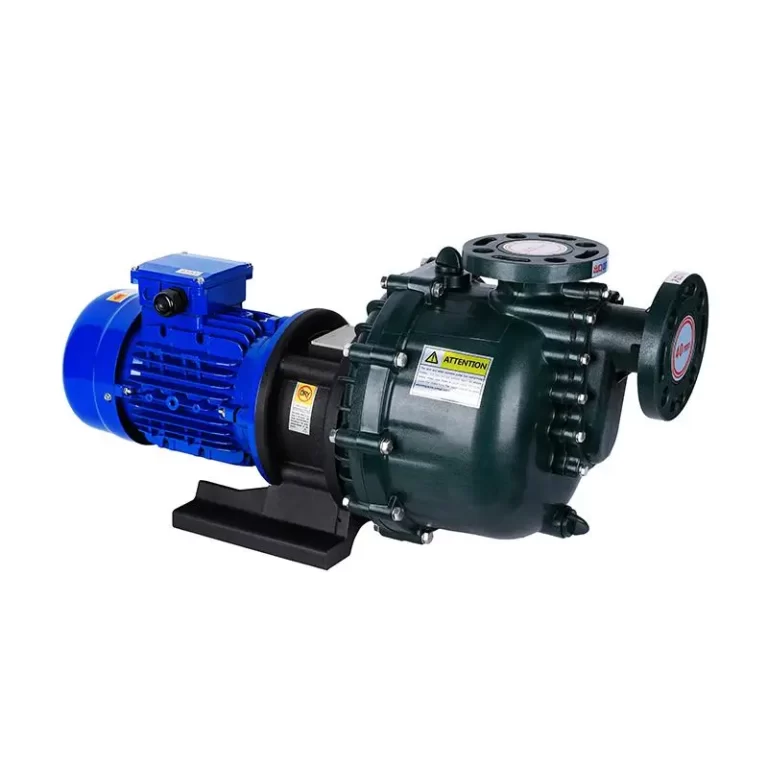
Symptoms of Backflow and Reverse Rotation
The first sign is often a pump that turns backward briefly after power-off. Operators may hear a short reverse spin, a rattling check valve, or a hammering sound in the discharge line. A pressure gauge may fall quickly, then bounce.
The next sign is unstable startup. The pump may need extra priming. A filter housing may refill slowly. A spray header may surge before flow stabilizes. These signs can overlap with air pocket problems, so teams should also compare the layout checks in QEEHUA’s article on PCB pump suction piping air pockets.
Water hammer can appear in the same system. A check valve that slams shut too late may stop reverse flow suddenly. That shock can stress plastic pipe, PVDF fittings, filter housings, flanges, and pump connections. For outlet-side shock control, review QEEHUA’s guide to PCB wet process water hammer.
| Symptom | Likely valve or system cause | PCB wet line risk | Immediate check |
|---|---|---|---|
| Pump spins backward after shutdown | Check valve missing, stuck open, or leaking | Reverse flow through pump and unstable restart | Inspect valve direction, disc movement, and seat condition |
| Hammering sound near pump outlet | Valve closes late or slams shut | Pipe shock, fitting leakage, and filter stress | Check valve type, closing speed, and discharge pressure |
| Tank liquid level changes after stop | Elevated pipe or filter drains backward | Wrong bath balance or unwanted tank return | Trace high discharge sections and return path |
| Filter pressure drops too fast | Backflow bypasses the normal circulation path | Particles may return to the process bath | Check bypass valves and non-return valves together |
Root Causes in Pump Discharge Protection
The Check Valve Is Missing or Installed Backward
A pump outlet without a check valve can allow liquid to drain back through the pump. Local QEEHUA pain-point files identify this as a direct cause of reverse pump rotation after shutdown. The fix is basic but important: install a corrosion-resistant check valve, and make sure the arrow matches the process flow direction.
The Valve Is Blocked by Particles or Crystals
A check valve may be present but still fail. Debris, crystal deposits, sludge, or damaged seats can keep the valve slightly open. In PCB lines, particles may come from filter bypass, line deposits, anode slime, rust from supports, or damaged cartridges.
If filter condition is part of the problem, connect the valve check with QEEHUA’s guide on PCB wet process filtration and chemical filter pump selection. A check valve cannot compensate for a filter system that keeps releasing debris.
The Valve Closes Too Late for the System
Some valves seal only after reverse flow has already started. AVK’s technical guidance on non-return valves explains that check valves help protect systems from water hammer and pressure surges, but valve choice and behavior matter. In a PCB wet line, closure speed must stop backflow without creating a damaging pressure spike.
The Shutdown Sequence Is Wrong
Valve operation can create the failure. If operators close the wrong valve first, leave a bypass open, or stop the pump against an unstable discharge line, reverse flow can develop. QEEHUA’s local maintenance guidance recommends clear startup and shutdown sequences: open the inlet, vent, open the outlet, then start; stop the pump before closing final valves.
Inspection Checklist Before Restarting
Do not restart a pump immediately after suspected backflow. A backward-spinning pump can create torque stress if power returns while the impeller is still moving in reverse. Wait until rotation stops. Then inspect the valve and line.
Check Flow Direction and Valve Position
Confirm the arrow on the check valve body. It must match normal pump discharge flow. Also check nearby isolation valves, bypass valves, and return valves. A valve left in the wrong position can make a good check valve look faulty.
Check for Debris and Chemical Attack
Open the valve only after the line is isolated, depressurized, drained, and safe. Look for swollen seals, cracked plastic, stuck discs, corrosion, crystal deposits, or particles at the seat. If dry running or low level may have stressed the pump, compare the checks in QEEHUA’s article on PCB wet process pump dry running protection.
Check Pump Protection After Deadheading or Shock
Backflow and valve slam can also happen near deadhead events. Check the motor current, pump casing temperature, bearing noise, and discharge pressure. If the pump has been run against a blocked outlet, use the warning signs in QEEHUA’s guide to magnetic drive pump deadheading.

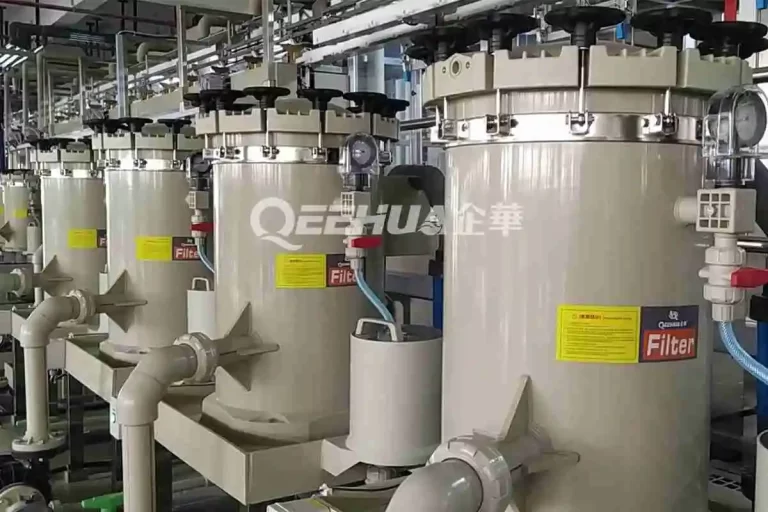
Where QEEHUA Pumps Fit
QEEHUA can support PCB wet process circulation with magnetic drive pumps, centrifugal pumps, vertical pumps, and chemical filter systems. For check valve problems, pump selection and piping design must be reviewed together. A pump with good material compatibility can still suffer if the discharge line allows reverse flow.
For corrosive wet process liquids where leakage control matters, QEEHUA’s magnetic pump product range can be matched with suitable piping, valve, and protection choices. The final system should confirm pump flow, head, liquid chemistry, temperature, valve material, pressure rating, and shutdown behavior.
Need help checking pump backflow or reverse rotation? Send the pump model, liquid, pipe height, check valve photo, shutdown sequence, and a short video of the symptom to info@qeehua.com. QEEHUA can help separate electrical reverse rotation, check valve failure, water hammer, and pump selection issues.
FAQ
Why does my PCB chemical pump spin backward after shutdown?
The most likely cause is reverse flow through the discharge line. Check whether the outlet check valve is missing, installed backward, blocked, leaking, or too slow to close.
Is backflow reverse rotation the same as wrong motor phase sequence?
No. Wrong phase sequence makes the motor drive the pump backward during startup. Backflow reverse rotation happens when system pressure or liquid head turns the pump backward after shutdown.
Where should the check valve be inspected in a PCB wet process pump loop?
Inspect the pump discharge side, raised return lines, bypass branches, and filter outlet paths. The valve must match flow direction and must close reliably before reverse flow develops.
Can a leaking check valve cause particle defects in PCB production?
Yes. Backflow can move unfiltered liquid, loosen deposits, disturb filter housings, or return particles to the tank. The risk is higher when bypass valves or shared branches also leak.
What information should an OEM provide before QEEHUA checks a check valve failure?
Send the pump model, liquid, temperature, discharge pipe height, valve type, valve photo, shutdown sequence, pressure readings, and a short video showing the reverse spin or hammering sound.